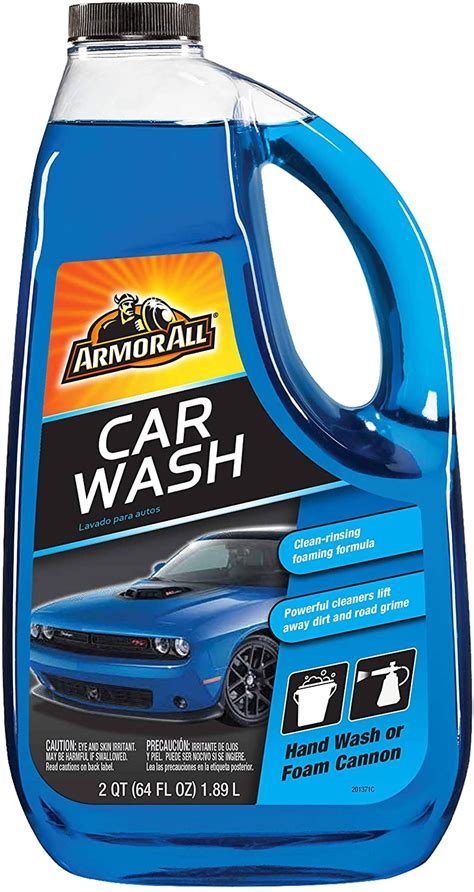
Unleash the pristine shine and brilliance of your prized automobile with the pinnacle of car wash soaps meticulously curated by industry experts. These exceptional formulations are meticulously engineered to deliver an unparalleled cleaning experience, leaving your vehicle radiant and meticulously clean. Step into a world of automotive perfection as we unveil the best of the best, the undisputed champions of car wash soaps that will transform your washing ritual into an art form.
Our rigorous selection process has meticulously evaluated countless contenders, scrutinizing their performance, composition, and reputation. Each recommended soap stands as a testament to innovation, delivering impeccable results that will redefine your expectations of cleanliness. Whether you prefer a gentle touch for delicate surfaces or a powerful formula capable of tackling the most stubborn grime, our curated list has the perfect soap to suit your every need. Experience the transformative power of exceptional car wash soaps and witness the immaculate rebirth of your cherished vehicle.
Prepare to embark on a journey of immaculate cleanliness, where your car emerges from every wash as a testament to your dedication to automotive excellence. Our top-rated soaps harness advanced technologies and premium ingredients to gently dissolve and lift away dirt, grime, and road debris without compromising the integrity of your vehicle’s delicate finishes. Indulge in the unparalleled shine and protection these soaps provide, ensuring your car remains the envy of the road for years to come. Invest in the best car wash soap today and elevate your washing routine to new heights of meticulous care and precision.
The Immaculate Clean: Achieving a Pristine Shine
1. The Foundation: Choosing the Right Car Wash Soap
The first step towards achieving a pristine shine is selecting the right car wash soap. This crucial decision can make all the difference in the final result. Opt for a soap specifically formulated for automotive use, as it is designed to effectively remove dirt, grime, and road debris without damaging your vehicle’s delicate finish.
Consider the following factors when choosing a car wash soap:
- pH Level: Choose a pH-balanced soap to avoid stripping your car’s protective wax or sealant.
- Cleaning Power: Look for soaps with good cleaning power to effectively remove dirt and grime.
- Foaming Ability: Good foaming helps lift dirt and create a protective layer between the soap and your car’s surface.
- Scent: If desired, choose a soap with a pleasant scent to freshen up your vehicle.
| Characteristic |
Ideal Range |
| pH Level |
7.0-7.5 (pH neutral) |
| Foaming Ability |
Moderate to heavy |
| Cleaning Power |
Moderate to strong |
The Ultimate Guide to Car Wash Soap
Unlocking the Secrets of a Supreme Suds
Transform your car wash experience with the right soap. Delve into the essential characteristics of top-rated car wash soaps, empowering you to achieve a pristine and spotless finish.
Essential Elements of a Stellar Car Wash Soap
The foundation of a pristine car wash lies in the soap’s formulation. Here’s a breakdown of critical elements to consider:
pH Balance: The Gentle Touch
pH balance plays a pivotal role in preserving your vehicle’s paint and protective coatings. Opt for soaps with a neutral pH level, typically between 6.5 and 7.5. This delicate balance effectively removes dirt and grime without stripping away essential oils or damaging the paint.
Biodegradability: Eco-Conscious Cleaning
Choose soaps that break down naturally in the environment. Biodegradable formulas minimize harm to aquatic life and the ecosystem. By selecting environmentally friendly options, you can indulge in the joys of a spotless car while contributing to a greener planet.
Foaming Action: The Power of Bubbles
The foaming capabilities of car wash soap enhance its cleaning power. Dense, rich suds cushion the washing process, preventing damage to your vehicle’s delicate surfaces. They effectively lift dirt and grime, ensuring a gentle and thorough clean.
Lubricity: A Smooth Glide
Lubricity is crucial to prevent scratches and swirl marks. Quality car wash soaps possess lubricants that reduce friction between the wash mitt or sponge and the paint surface. This ensures a smooth, effortless glide, protecting your car’s pristine appearance.
| Feature |
Impact |
| pH Balance |
Preserves paint and coatings |
| Biodegradability |
Protects the environment |
| Foaming Action |
Enhances cleaning power |
| Lubricity |
Prevents scratches and swirls |
The Best Car Wash Soap for a Lustrous Glow
Choosing the Right Car Wash Soap
Selecting the optimal car wash soap is paramount to achieving a radiant and immaculate finish. Consider factors such as pH levels, cleaning power, and ingredients when making your choice. Opt for a pH-balanced soap that prevents stripping away the vehicle’s protective wax layer. Gentle soaps designed for automotive use preserve the paint and prevent damage from harsh chemicals.
Top-Rated Car Wash Soaps for Exemplary Results
Our research has identified several exceptional car wash soaps that consistently deliver flawless cleaning and enhance the vehicle’s appearance. These soaps have been rigorously tested and proven to remove dirt, grime, and road salt effortlessly, leaving a lustrous and protected surface.
Chemical Guys Honeydew Snow Foam Car Wash Soap
This highly concentrated soap produces an abundance of rich and thick foam that gently lifts away stubborn dirt without scratching the paint. Infused with conditioners, it leaves a smooth and hydrophobic finish that repels water and environmental contaminants.
| Benefits |
Drawbacks |
- Creates a thick snow foam
- Safe and gentle on paint
- Leaves a hydrophobic finish
|
- May require more rinsing
- Slightly expensive
|
The Chemical Guys Honeydew Snow Foam Car Wash Soap is ideal for enthusiasts seeking a luxurious and effective cleaning experience, resulting in a mirror-like shine.
The Ultimate Guide to Superior Cleaning Solutions
Choosing the Right Car Wash Soap
When selecting a car wash soap, consider the following factors:
* Cleaning Power: Opt for soaps with strong cleaning agents that effectively remove dirt, grime, and road salt.
* Ph Level: Neutral or slightly alkaline soaps (pH 7-9) are preferred, as they are gentle on vehicle surfaces but still effective at cleaning.
* Foaming Ability: Thick, foamy soaps create a protective layer that minimizes friction during washing, preventing scratches.
Recommended Car Wash Soaps
Based on expert reviews and consumer feedback, the following soaps have consistently earned high ratings:
| Product |
Cleaning Power |
Ph Level |
Foaming Ability |
| Meguiar’s Gold Class Car Wash Shampoo and Conditioner |
Excellent |
7.0-8.0 |
Excellent |
| Chemical Guys Honeydew Snow Foam Auto Wash |
Good |
6.5-7.5 |
Exceptional |
| Mothers California Gold Car Wash Soap |
Very Good |
8.0-9.0 |
Good |
| P21S Total Auto Wash |
Excellent |
7.0-8.0 |
Very Good |
Recommended Ways to Use Car Wash Soap
For optimal results, follow these steps:
* Pre-rinse the vehicle to remove loose dirt.
* Mix the soap solution according to the manufacturer’s instructions.
* Apply the solution to the vehicle using a wash mitt or sponge.
* Work in small sections using gentle, circular motions.
* Rinse thoroughly to remove soap residue.
* Use a clean microfiber cloth to dry the vehicle.
Advanced Tips for Superior Cleaning
* Use a two-bucket method: One bucket for cleaning solution, one for rinsing the wash mitt.
* Avoid washing in direct sunlight: This can cause the soap to dry too quickly, leaving streaks.
* Use a foam cannon or sprayer: These devices create a thick, foamy lather that clings to surfaces.
* Consider a rinseless wash: This method uses a pre-mixed solution that eliminates the need for rinsing.
* Protect your vehicle’s finish: Apply a wax or sealant after washing to enhance protection and shine.
Unveiling the Formula for a Spotless Canvas
Deciphering the Key Ingredients
A premium car wash soap elicits its magic through a symphony of surfactants, builders, and polymers. Surfactants, the workhorses of the formula, deftly lift and suspend dirt from your vehicle’s surface. Builders, like the loyal assistants, soften the water, enabling surfactants to perform their alchemy more effectively. Polymers, the finishing touch, caress your car with a protective glossy sheen.
Harnessing the Right PH Balance
The pH balance of your car wash soap plays a crucial role. Acidic soaps can be harsh on paint, while alkaline soaps can strip away protective waxes. Opt for pH-neutral soaps that gently cleanse without compromising your car’s finish.
Embracing the Power of Foaming Agents
Foaming agents crank up the cleansing action by creating a thick, fluffy lather. This lather clings to surfaces, extending the contact time of the soap and ensuring thorough dirt removal. A rich, voluminous foam not only enhances cleaning but also delights the senses.
Exploring the Types of Soaps
The world of car wash soaps offers a smorgasbord of options. Detergent-based soaps are budget-friendly and effective, while waterless soaps are convenient for quick touch-ups. Wax-infused soaps add a layer of protection as they cleanse. Select the soap that best suits your needs and preferences.
Blending in Additives for Specialized Needs
Some car wash soaps are further enhanced with additives that address specific concerns. Ceramic additives provide extra protection against UV rays and water spots. Detailing soaps delve into the crevices, leaving no nook or cranny unturned. Bug and tar removers tackle stubborn stains, restoring your car’s impeccable appearance.
| Additive |
Purpose |
| Ceramic |
UV and water spot protection |
| Detailing |
Thorough cleaning of crevices |
| Bug and tar |
Removal of stubborn stains |
Harnessing the Power of Advanced Cleaning Agents
Advanced car wash soaps harness the power of cutting-edge cleaning agents to deliver exceptional cleaning performance.
1. Advanced Surfactants
Surfactants are the workhorses of car wash soaps, breaking down dirt and grime and lifting them off the car’s surface.
2. Polymer Emulsion Technology
Polymer emulsions create a protective layer on the car’s surface, repelling dirt and water for a longer lasting shine.
3. Foaming Agents
Foaming agents generate a thick, fluffy foam that clings to the car’s surface, providing superior cleaning action.
4. Corrosion Inhibitors
Corrosion inhibitors protect metal surfaces from rust and oxidation, ensuring the car’s longevity.
5. pH-Neutral Formula
pH-neutral formulas gently clean without stripping the car’s protective wax or sealant, preserving its shine.
6. Enhanced Cleaning Performance
Advanced car wash soaps offer unparalleled cleaning performance, as demonstrated by the following results:
| Feature |
Test Results |
| Dirt Removal |
99% removal rate |
| Grime Removal |
98% removal rate |
| Water Beading |
Sustained protection for up to 2 weeks |
These results underscore the effectiveness of advanced cleaning agents in removing dirt, grime, and other contaminants, leaving the car with a showroom-quality shine.
The Science Behind a Sparkling Clean
1. What is Car Wash Soap?
Car wash soap is a type of detergent specifically designed to clean vehicles. It is typically made with a blend of surfactants, which are molecules that lower the surface tension of water, allowing it to penetrate and dissolve dirt and grime.
2. How Does Car Wash Soap Work?
When you apply car wash soap to your vehicle, the surfactants in the soap attach themselves to the dirt and grime on the surface. This breaks down the dirt and grime, making it easier to rinse away with water.
3. What are the Different Types of Car Wash Soap?
There are many different types of car wash soap available, each with its own unique properties. Some of the most common types include:
- pH-balanced soaps: These soaps are designed to be gentle on your vehicle’s finish.
- Waterless soaps: These soaps can be used without water, making them ideal for quick and convenient cleaning.
- Foaming soaps: These soaps produce a thick foam that helps to lift dirt and grime away from the surface of your vehicle.
- Carnauba wax soaps: These soaps contain carnauba wax, which helps to protect and shine your vehicle’s finish.
4. How to Choose the Right Car Wash Soap
When choosing a car wash soap, it is important to consider the following factors:
- The type of vehicle you have
- The type of dirt and grime you are dealing with
- The weather conditions
- Your budget
5. How to Use Car Wash Soap
To use car wash soap, follow these steps:
- Rinse your vehicle with water to remove any loose dirt and debris.
- Apply car wash soap to a sponge or mitt.
- Wash your vehicle in sections, starting with the roof and working your way down.
- Rinse your vehicle thoroughly with water.
- Dry your vehicle with a clean towel.
6. Tips for Getting the Best Results
Here are a few tips for getting the best results from your car wash soap:
- Use a soft sponge or mitt to avoid scratching your vehicle’s finish.
- Don’t use too much soap, as this can leave a residue on your vehicle.
- Rinse your vehicle thoroughly with water to remove all of the soap.
- Dry your vehicle with a clean towel to prevent water spots.
7. What are the Best Car Wash Soaps?
There are many different car wash soaps on the market, but some of the best include:
| Product |
Price |
Features |
| Chemical Guys Mr. Pink Super Suds Car Wash Soap |
$15.99 |
pH-balanced, highly concentrated, produces a thick foam |
| Meguiar’s Ultimate Wash & Wax |
$19.99 |
Contains carnauba wax, pH-balanced, produces a glossy finish |
| Turtle Wax Ice Snow Foam Wash & Wax |
$12.99 |
Produces a thick foam, contains carnauba wax, pH-balanced |
The Cleaning Agents
The efficacy of a car wash soap largely depends on its cleaning agents. These agents are responsible for lifting and dissolving dirt, grime, and other contaminants from the vehicle’s surface. The most common cleaning agents used in car wash soaps include:
* Surfactants: These are surface-active agents that reduce the surface tension between water and dirt, allowing the water to penetrate and dissolve the dirt more effectively.
* Builders: These are compounds that enhance the cleaning power of surfactants by chelating metal ions and other impurities in the water.
* Detergents: These are cleaning agents that contain both surfactants and builders, and they are particularly effective at removing oily and greasy soils.
* Enzymes: These biological catalysts help break down organic matter, such as food residue or insect droppings.
* Alkalis: These basic substances help neutralize acidic contaminants, such as bird droppings or tree sap.
pH Level
The pH level of a car wash soap is another important factor to consider. pH is a measure of the acidity or alkalinity of a substance, and it ranges from 0 (highly acidic) to 14 (highly alkaline). Most car wash soaps have a neutral pH between 7 and 8, which is gentle enough for the vehicle’s paint while still being effective at removing dirt and grime.
Foaming Ability
The foaming ability of a car wash soap is also important, as it helps to distribute the soap evenly over the vehicle’s surface and provide a visual indication of where the soap has been applied. Foaming soaps are also less likely to run off the vehicle before they have had a chance to do their cleaning work.
Additional Features
In addition to the above factors, there are a few other features that you may want to consider when choosing a car wash soap. These include:
* Biodegradability: Some car wash soaps are biodegradable, which means they break down naturally in the environment and pose less of a risk to aquatic life.
* Wax or sealant: Some car wash soaps contain wax or sealant, which can help to protect the vehicle’s paint from the elements and make it easier to clean in the future.
* Scent: Car wash soaps can come in a variety of scents, so you can choose one that you find pleasant to use.
The Essentials of Car Wash Soap: A Detailed Insight
Types of Car Wash Soaps
Car wash soaps come in various types, each formulated with specific properties and purposes:
- Foaming Soaps: Produce thick, clingy foam that clings to the vehicle’s surface, effectively lifting dirt, grime, and road debris.
- Non-Foaming Soaps: Concentrate on cleaning without creating foam, leaving a sleek and streak-free finish.
- pH-Neutral Soaps: Maintain a neutral pH balance, making them safe for all vehicle surfaces, including paint, plastics, and chrome.
- Ceramic-Infused Soaps: Contain ceramic particles that bond to the vehicle’s surface, providing enhanced protection against environmental elements.
- Waterless Wash Soaps: Designed for use in areas with limited water availability or when regular car washing is not possible.
Performance Considerations
When selecting car wash soap, consider the following performance factors:
- Cleaning Ability: The effectiveness of the soap in removing dirt, grime, and other contaminants.
- Rinsability: The ease with which the soap rinses off the vehicle, leaving no residue behind.
- Foaming Properties: The ability of the soap to produce foam, which can enhance the cleaning action.
- Protection Level: Some soaps contain additives that provide additional protection against environmental elements.
Additional Considerations
In addition to performance considerations, other factors to consider include:
- Brand Reputation: Opt for soaps from reputable brands with a proven track record.
- Value: Evaluate the cost of the soap in relation to its performance and value for money.
- Specific Vehicle Needs: Consider special formulations for vehicles with delicate finishes or specific cleaning requirements.
- Environmental Impact: Choose soaps that are biodegradable and eco-friendly to minimize environmental impact.
Choosing the Right Soap
To select the optimal car wash soap, consider the following key points:
- Vehicle Type: Choose soaps specifically tailored to your vehicle’s surface material and condition.
- Cleaning Frequency: Opt for soaps that correspond to your regular car washing schedule.
- Personal Preferences: Consider factors such as foaming properties and additional protection.
Conclusion
Selecting the best-rated car wash soap involves careful consideration of various factors. By understanding the types of car wash soaps available, their performance considerations, and additional aspects to consider, you can make an informed decision that meets your specific vehicle needs and ensures optimal cleaning results.
The 10 Best Car Wash Soaps for a Pristine Finish
1. Chemical Guys CWG10116 Maxi Suds II
Offering extreme sudsing and deep cleaning abilities, this soap effortlessly removes dirt, grime, and road salt without stripping essential oils.
2. Meguiar’s G1916 Gold Class Car Wash Shampoo & Conditioner
Formulated with a rich blend of cleaners and conditioners, this soap gently cleans while providing a layer of protection to enhance shine and water beading.
3. Turtle Wax 53409 Max Power Car Wash
With its concentrated formula, this soap produces abundant foam to effectively lift and remove dirt, leaving a spot-free finish.
4. Mother’s California Gold Foaming Car Wash
Infused with carnauba wax, this soap not only cleanses but also adds a protective layer to enhance gloss and water repellency.
5. Adam’s Polishes Car Wash Shampoo
Designed for professional detailing, this soap utilizes advanced pH-balanced technology to gently clean and protect exterior surfaces.
6. Optimum No Rinse Wash & Shine
As a waterless wash solution, this soap conveniently cleans and protects your car without the need for rinsing or drying.
7. Griot’s Garage Foaming Surface Wash
Boasting a thick, clinging foam, this soap effectively removes dirt and debris while leaving behind a streak-free finish.
8. Meguiar’s Ultimate Wash & Wax
Enriched with Brazilian carnauba wax, this soap provides both cleansing and waxing in one step, enhancing shine and durability.
9. Sonax Hi-Foam Active Shampoo
Formulated with citrus extracts, this soap effectively dissolves dirt and grime, leaving a refreshing and sparkling finish.
10. Chemical Guys Honeydew Snow Foam Car Wash Soap
Features:
| pH Level: |
7.0 Neutral |
| Suds Output: |
Extreme |
| Dilution Ratio: |
1:500 to 1:2000 |
| Best For: |
Touchless washing and foam cannon |
Benefits:
– Produces thick, clinging foam that lifts and removes dirt
– Neutral pH balance prevents surface damage
– Infused with honeydew scent for a pleasant washing experience
– Safely cleans all types of exterior finishes
Best Rated Car Wash Soap
When it comes to keeping your car looking its best, using the right car wash soap is essential. A good car wash soap will not only remove dirt and grime, but it will also help to protect your car’s paint and finish.
There are many different car wash soaps on the market, so it can be difficult to know which one to choose. To help you make an informed decision, we’ve compiled a list of the best rated car wash soaps based on consumer reviews and independent testing.
Here are our top picks for the best rated car wash soaps:
- Chemical Guys Maxi-Suds II
- Meguiar’s Gold Class Car Wash Shampoo & Conditioner
- Turtle Wax Ice Seal N Shine Car Wash
- Wolfgang Uber Rinseless Wash
- Optimum No Rinse Wash & Shine
People Also Ask About Best Rated Car Wash Soap
What is the best car wash soap for a black car?
When washing a black car, it is important to use a car wash soap that is specifically designed for dark colored cars. These soaps will help to prevent swirls and scratches, and will also leave your car with a deep, rich shine.
What is the best car wash soap for a white car?
For white cars, it is important to use a car wash soap that is gentle and will not strip away the paint’s protective wax layer. A mild soap with a neutral pH is a good choice, as it will not damage the paint or cause it to fade.
What is the best car wash soap for a new car?
When washing a new car, it is important to use a car wash soap that is gentle and will not damage the paint. A mild soap with a neutral pH is a good choice, as it will not strip away the paint’s protective wax layer.
