
How To Be Sigma

How To Be Sigma

In a world obsessed with conformity, embracing individuality has become a radical act. The Sigma male embodies this spirit, standing apart from the alpha and beta archetypes and carving his own unique path. As a Sigma, you are not defined by external labels or societal expectations. You possess an unwavering sense of self, guided by your own values and principles. The journey to becoming a Sigma is not without its challenges, but it is a path that ultimately leads to self-mastery and fulfillment.

The Sigma male is not driven by the need for status or recognition. He is self-assured and confident in his own abilities, refusing to compare himself to others. Instead of seeking approval from others, he focuses on his own growth and development. The Sigma male is comfortable being alone, finding solace in his own company and pursuing his own interests. He is not afraid to go against the grain, embracing non-conformity and challenging societal norms.

Becoming a Sigma male requires introspection and a deep understanding of oneself. It involves shedding the need for external validation and embracing your true self. The Sigma male is not perfect, but he is genuine and authentic. He recognizes his strengths and weaknesses and works to improve himself while accepting his imperfections. The journey to Sigmahood is not a destination but an ongoing process of self-discovery and growth. By embracing your individuality and cultivating inner strength, you can unlock the potential of the Sigma male within you.

How To Be Sigma

The sigma male is a mysterious and enigmatic figure. He is confident, self-assured, and independent. He doesn’t follow the crowd, and he doesn’t care what other people think. He is a leader, not a follower. And he is always in control of his own destiny.

If you want to be a sigma male, there are a few things you need to do. First, you need to be comfortable with who you are. You need to be confident in your own abilities and your own worth. You can’t let other people’s opinions get to you. And you can’t be afraid to stand up for what you believe in.

Second, you need to be independent. You can’t rely on other people to make you happy or fulfilled. You need to be able to take care of yourself and make your own decisions. And you need to be willing to go your own way, even if it means being alone.

Finally, you need to be a leader. You need to be able to take charge and make decisions. You need to be able to inspire others and motivate them to follow you. And you need to be able to handle the responsibility that comes with being a leader.

Being a sigma male is not easy, but it is possible. If you have the confidence, independence, and leadership skills, you can become a sigma male and live life on your own terms.

People Also Ask

What is the difference between a sigma male and an alpha male?

An alpha male is a dominant, aggressive male who is always trying to be the center of attention. A sigma male, on the other hand, is a more independent and self-assured male who is not interested in being the center of attention. Sigma males are often more intelligent and successful than alpha males, but they are also more likely to be loners.

How can I become a sigma male?

To become a sigma male, you need to be comfortable with who you are, independent, and a leader. You also need to have the confidence to stand up for what you believe in and the courage to go your own way.

What are the benefits of being a sigma male?

There are many benefits to being a sigma male. Sigma males are more confident, independent, and successful than other men. They are also more likely to be happy and fulfilled in life.

5 Easy Steps to Calculate Spell Save DC

5 Easy Steps to Calculate Spell Save DC
How To Be Sigma

Are you a Dungeon Master who’s always fumbling around with your notes, trying to find the right spell save DC for your monsters? Or are you a player who’s constantly having to ask your DM what the save DC is for that spell? Well, no more! In this article, we’ll walk you through the simple steps on how to find spell save DC so that you can quickly and easily determine the difficulty of any spell.

First, you’ll need to know the spellcaster’s spellcasting ability modifier. This is the ability score that the spellcaster uses to cast their spells, and it will determine the base DC for their spells. For example, if a spellcaster has a Wisdom of 16, their spellcasting ability modifier would be +3.

Next, you’ll need to add the spellcaster’s proficiency bonus to their spellcasting ability modifier. The proficiency bonus is a number that represents the spellcaster’s level of expertise in spellcasting, and it increases as the spellcaster levels up. For example, a 5th-level spellcaster would have a proficiency bonus of +3.

Finally, you’ll need to add the spell’s save DC modifier to the spellcaster’s spellcasting ability modifier and proficiency bonus. The save DC modifier is a number that is specific to each spell, and it can be found in the spell’s description. For example, the spell “Fireball” has a save DC modifier of 8.

Character Level

The character level is the most important factor in determining the spell save DC. The higher the character level, the higher the spell save DC. This is because higher-level characters are more experienced and have access to more powerful spells.

The following table shows the spell save DC for different character levels.

Character Level Spell Save DC
1 8 + proficiency bonus
2 9 + proficiency bonus
3 10 + proficiency bonus
4 11 + proficiency bonus
5 12 + proficiency bonus
6 13 + proficiency bonus
7 14 + proficiency bonus
8 15 + proficiency bonus
9 16 + proficiency bonus
10 17 + proficiency bonus
11 18 + proficiency bonus
12 19 + proficiency bonus
13 20 + proficiency bonus
14 21 + proficiency bonus
15 22 + proficiency bonus
16 23 + proficiency bonus
17 24 + proficiency bonus
18 25 + proficiency bonus
19 26 + proficiency bonus
20 27 + proficiency bonus

The proficiency bonus is a bonus that characters gain as they level up. The proficiency bonus is added to all ability checks, saving throws, and attack rolls.

For example, a 5th-level character with a +3 proficiency bonus would have a spell save DC of 12 + 3 = 15.

Proficiency Bonus

Proficiency bonus is a number that represents your character’s general level of competence. It is added to all ability checks and saving throws that your character makes. The proficiency bonus is determined by your character’s level. The table below shows the proficiency bonus for each level:

Level Proficiency Bonus
1-4 +2
5-8 +3
9-12 +4
13-16 +5
17-20 +6

Your proficiency bonus is also used to determine the DC of your spell saves. The DC of a spell save is 8 + your proficiency bonus + your spellcasting ability modifier. For example, if you are a 5th-level wizard with a +3 Intelligence modifier, the DC of your spell saves would be 8 + 3 + 3 = 14.

Proficiency bonus helps your character get better at the things they do most often. The more often your character makes a particular ability check or saving throw, the higher their proficiency bonus will be. This means that they will be more likely to succeed on those checks and saves.

Casting Ability Modifier

The casting ability modifier is a bonus to spell save DCs that is determined by the ability score that you use to cast spells. The ability score you use to cast spells is determined by the class you are playing. For example, wizards use Intelligence to cast spells, while clerics use Wisdom. The casting ability modifier is added to the base spell save DC, which is 8 + the spell’s level. For example, a wizard casting a 1st-level spell would have a spell save DC of 8 + 1 + 2 (Intelligence modifier) = 11.

The casting ability modifier is also used to determine the bonus to spell attack rolls. The bonus to spell attack rolls is equal to the casting ability modifier plus the spell’s level. For example, a wizard casting a 1st-level spell would have a spell attack bonus of 2 + 1 = 3.

Calculating the Casting Ability Modifier

The casting ability modifier is calculated by taking the ability score that you use to cast spells and subtracting 10 from it. The result is the casting ability modifier. For example, a wizard with an Intelligence score of 16 would have a casting ability modifier of +3.

Class Casting Ability
Bard Charisma
Cleric Wisdom
Druid Wisdom
Paladin Charisma
Ranger Dexterity or Wisdom
Sorcerer Charisma
Warlock Charisma
Wizard Intelligence

Spell Save DC Calculation

The spell save DC is a number that represents the difficulty of resisting a spell’s effects. The higher the spell save DC, the harder it is to resist the spell. A spell’s save DC is determined by the following factors:

  • The spell’s level
  • The caster’s ability modifier
  • Any bonuses or penalties from feats, magic items, or other sources

To calculate a spell’s save DC, use the following formula:

“`
Spell save DC = 8 + spell level + ability modifier + bonuses/penalties
“`

Ability Modifier

The ability modifier is the bonus or penalty that is added to the spell save DC based on the caster’s ability score in the ability that the spell is based on. For example, if a wizard casts a spell that uses Intelligence, the ability modifier would be the wizard’s Intelligence modifier. The ability modifiers are as follows:

Ability Score Modifier
1 -5
2-3 -4
4-5 -3
6-7 -2
8-9 -1
10-11 0
12-13 +1
14-15 +2
16-17 +3
18-19 +4
20 +5

Negative Roll Adjustments

Negative roll adjustments can come from several sources, including disadvantage, cover, and penalties. Disadvantage on a saving throw means you roll with two dice and take the lower result. This can significantly decrease your chances of succeeding, especially when the spell’s DC is high.

Cover

Cover provides a penalty to saving throws against ranged attacks. The amount of the penalty depends on the cover’s type. Half cover provides a +2 bonus to AC and a +2 penalty to saving throws, while three-quarters cover provides a +5 bonus to AC and a +5 penalty to saves.

Penalties

Various effects can impose penalties to saving throws. For example, the poisoned condition grants disadvantage on saving throws against effects that involve strength or dexterity, while the paralyzed condition grants disadvantage on all saving throws.

Positive Roll Adjustments

There are several modifiers that can be added to the DC of a saving throw. These include:

Proficiency Bonus

Proficiency bonus is added to saving throws using skills in which the character is proficient.

Ability Score Bonus

Ability score bonus is added to saving throws using ability scores in which the character is proficient.

Spellcasting Modifier

Spellcasting modifier is added to saving throws targeting the spellcaster.

Item Bonuses

Certain magic items can grant bonuses to saving throws.

Feat Bonuses

Some feats can grant bonuses to saving throws.

Other Bonuses

Other abilities or effects may grant bonuses to saving throws, such as class features or subclasses.

Example

A character with a Wisdom of 16 (+3) is making a saving throw against a spell that targets their Wisdom. They are proficient in the Wisdom saving throw and have the Resilient feat, which grants them proficiency in Wisdom saving throws. The character’s proficiency bonus is +2. The total DC of the saving throw would be 10 + 3 (Wisdom bonus) + 2 (proficiency bonus) + 1 (Resilient bonus) = 16.

Penalty Source Penalty
Disadvantage Roll two dice, take the lower result
Half cover (ranged attacks) +2 to AC, +2 to saves
Three-quarters cover (ranged attacks) +5 to AC, +5 to saves
Poisoned (strength or dexterity) Disadvantage
Paralyzed Disadvantage on all saves
Modifier Value
Base DC 10
Wisdom bonus +3
Proficiency bonus +2
Resilient bonus +1
Total DC 16

Concentration Checks

Concentration checks are used to determine if a spellcaster can maintain concentration on a spell. These checks are made when the spellcaster is subjected to damage, makes a concentration check, or is otherwise distracted from the spell. The DC for a concentration check is equal to 10 + half the spellcaster’s level + the level of the spell. If the spellcaster fails the check, the spell is lost.

Factors that Affect Concentration Checks

Several factors can affect a spellcaster’s concentration checks, including:

  • Damage: The amount of damage the spellcaster takes can reduce their ability to concentrate. A spellcaster who takes damage equal to or greater than their Constitution score must make a concentration check.
  • Concentration Checks: The spellcaster can choose to make a concentration check whenever they are distracted from the spell. The DC for this check is equal to 10 + half the spellcaster’s level.
  • Other Distractions: The spellcaster can be distracted by other events, such as being attacked or being forced to make a saving throw. The DM can rule that the spellcaster must make a concentration check in these situations.

Tips for Maintaining Concentration

There are several things a spellcaster can do to maintain concentration on a spell, including:

  • Focus: The spellcaster should focus on the spell and avoid distractions. They can do this by closing their eyes, taking deep breaths, or using a mantra.
  • Use Resilient Spells: Some spells, such as the “Resilient Sphere” spell, provide a bonus to concentration checks. These spells can be helpful in situations where the spellcaster is likely to be distracted.
  • Use Abilities that Improve Concentration: Certain abilities, such as the “War Caster” feat, can improve a spellcaster’s ability to concentrate. These abilities can be helpful in situations where the spellcaster is likely to be damaged or distracted.

Magical Item Enhancements

Magical items can enhance a character’s spell save DC. The following table shows the enhancement bonus for each type of item:

Item type Enhancement bonus
Wand +1
Staff +2
Rod +3
Scroll +4
Potion +5
Ring +6
Amulet +7
Cloak +8

The enhancement bonus is added to the character’s spell save DC.

Feats and Class Features

Certain feats and class features can modify your spell save DC. Here are a few examples:

  • The Fey Touched feat grants you a bonus to spell save DC for spells from the school you chose.
  • The Resilient: Wisdom feat grants you a bonus to spell save DC for Wisdom-based saves.
  • The War Caster feat grants you advantage on spell save DCs against creatures within 5 feet of you.
  • The Paladin’s Aura of Protection grants a bonus to spell save DCs for all allies within range.
  • The Sorcerer’s Empowered Spell Metamagic increases the spell save DC of a spell by 2.
  • The Wizard’s School of Evocation’s Potent Cantrip feature increases the spell save DC of your cantrips by 2.
  • The Warlock’s Eldritch Mind Invocation increases your spell save DC by 2.
  • The Bard’s Song of Rest feature grants a bonus to spell save DCs for allies within range.
  • The Cleric’s Blessed Healer feature grants a bonus to spell save DCs for healing spells.

    War Caster Feat

    The War Caster feat is a great option for characters who want to maintain concentration on spells while in combat. It grants advantage on spell save DCs against creatures within 5 feet of you, which can be very helpful against melee attackers.

    Feat Effect
    War Caster Advantage on spell save DCs against creatures within 5 feet of you

    In addition to feats and class features, there are also several magic items that can modify your spell save DC. For example, the Amulet of the Devout grants a bonus to spell save DC for spells from the school of your choice.

    Situational Penalties or Advantages

    Certain situations may warrant additional penalties or advantages to the spell save DC. **Cover and concealment** play a vital role when casting spells that require line of sight or unobstructed paths. Additionally, **environmental effects** such as darkness, extreme weather, or difficult terrain can influence the spell’s effectiveness.

    **Table: Situational Penalties or Advantages to Spell Save DC**

    Situation Penalty or Advantage
    Cover (half) +2 to save DC
    Cover (three-quarters) +5 to save DC
    Total cover Automatic failure
    Darkness or dim light +2 to save DC
    Extreme weather (e.g., hurricane, blizzard) +5 to save DC
    Difficult terrain +2 to save DC
    Advantage on saving throw -5 to save DC
    Disadvantage on saving throw +5 to save DC

    How To Find Spell Save DC

    To find the spell save DC of a spellcaster, you need to know the following information:

    • The spellcaster’s ability score modifier for the ability used to cast the spell
    • The spell’s level
    • Any additional bonuses or penalties that apply to the spell save DC

    Once you have this information, you can use the following formula to calculate the spell save DC:

    “`
    Spell save DC = 8 + ability score modifier + proficiency bonus + spell level + any additional bonuses or penalties
    “`

    For example, a level 5 wizard with a Dexterity score of 16 would have a spell save DC of 13 for spells that they cast using Dexterity.

    People Also Ask About How To Find Spell Save DC

    What is a spell save DC?

    A spell save DC is a number that represents the difficulty of resisting a spell’s effects. The higher the spell save DC, the harder it is to resist the spell’s effects.

    How do I calculate my spell save DC?

    To calculate your spell save DC, you need to know your ability score modifier for the ability used to cast the spell, the spell’s level, and any additional bonuses or penalties that apply to the spell save DC.

    What are some additional bonuses or penalties that can apply to spell save DCs?

    Some spells have additional bonuses or penalties that can apply to their spell save DCs. For example, the spell bless gives the target a bonus to their saving throws, while the spell bane gives the target a penalty to their saving throws.

5 Essential Steps on How to Use Fax

5 Easy Steps to Calculate Spell Save DC

Featured Image: [Image of a fax machine]

Faxing, a once-ubiquitous form of communication, may seem antiquated in the age of email and instant messaging. However, it remains a reliable and effective method for transmitting sensitive or time-critical documents. Whether you’re a seasoned professional or a novice user, understanding the intricacies of faxing is essential for ensuring the successful and secure delivery of your important communications.

Paragraph 1:

In this comprehensive guide, we will delve into the intricacies of faxing, providing you with a step-by-step walkthrough of the process. We will explore the different types of fax machines, the essential features to consider when choosing one, and the best practices for preparing and sending faxes. Moreover, we will provide valuable tips for troubleshooting common faxing issues, ensuring that you can navigate the challenges of faxing with ease and efficiency.

Paragraph 2:

Transitioning from the basics, we will delve into the advanced techniques of faxing, empowering you to maximize the capabilities of your fax machine. We will discuss confidential faxing, which allows you to protect sensitive information during transmission. We will also explore broadcast faxing, a powerful tool for mass communication. Furthermore, we will provide insights into the latest faxing technologies, such as internet fax and cloud fax, which offer increased convenience and flexibility.

Setting Up a Fax Machine

Fax machines, while less commonly used today with the advent of email and other digital communication methods, can still be a valuable tool for businesses and individuals who need to send and receive hard copies of documents. Setting up a fax machine is a relatively simple process, but there are a few steps you need to follow to ensure it is functioning correctly.

Choosing the Right Fax Machine

The first step is to choose the right fax machine for your needs. There are a variety of fax machines available, so it is important to consider the features that are important to you. Some of the things you may want to consider include:

– The volume of faxes you send and receive
– The speed at which you need to send and receive faxes
– The quality of the faxes you need to send and receive
– The size and weight of the fax machine
– The price of the fax machine

Once you have chosen a fax machine, you can begin the setup process.

Connecting the Fax Machine

Once you have chosen a fax machine, you need to connect it to a phone line. Most fax machines come with a standard phone cord, so you can simply plug it into a phone jack in your home or office. If you are using a digital phone line, you may need to purchase a special adapter to connect the fax machine.

Once the fax machine is connected to a phone line, you need to turn it on and follow the instructions in the user manual to set up the date, time, and other basic settings.

Sending a Fax

Once the fax machine is set up, you can start sending faxes. To send a fax, you need to:

1. Load the document you want to fax into the fax machine.
2. Dial the fax number of the recipient.
3. Press the “start” button on the fax machine.

The fax machine will scan the document and send it to the recipient’s fax machine. The recipient will receive a hard copy of the document.

Receiving a Fax

When you receive a fax, the fax machine will print out a hard copy of the document. You can then remove the document from the fax machine and read it.

Troubleshooting Fax Machine Problems

If you are having problems with your fax machine, there are a few things you can check:

– Make sure that the fax machine is connected to a phone line.
– Make sure that the phone line is working properly.
– Make sure that the fax machine is turned on and that the date and time are set correctly.
– Make sure that the document you are trying to fax is loaded correctly into the fax machine.
– Make sure that the recipient’s fax number is correct.

If you are still having problems with your fax machine, you can consult the user manual or contact the manufacturer for assistance.

Sending a Fax

Step 1: Prepare the document

Check that your document is legible and in good condition. Use a fax-compatible format such as PDF or TIFF, or convert the document to an image format.

Step 2: Dial the fax number

Use the keypad on your fax machine to dial the recipient’s fax number. Ensure that the number is correct, including any area code or international prefixes.

Step 3: Set the resolution and transmission mode

Select the appropriate resolution for your document, such as standard or fine. Choose a transmission mode, such as G3 or G4, based on the capabilities of both the sending and receiving fax machines.

Step 4: Insert the document

Depending on your fax machine, you may need to insert the document into the document feeder or place it on the scanning glass.

Step 5: Send the fax

Press the “Start” or “Send” button to initiate the fax transmission. The fax machine will scan the document and transmit it to the recipient’s fax number.

Step 6: Wait for confirmation

Your fax machine should indicate the status of the transmission. Typically, you will receive a confirmation message if the fax was sent successfully. If you encounter any errors, check the fax machine for error codes or messages.

Step 7: Verify receipt

Once you have sent the fax, contact the recipient to ensure they have received it and that the quality is satisfactory. If necessary, request a confirmation from the recipient.

Receiving a Fax

Receiving a fax is a straightforward process that typically involves the following steps:

  1. Ensure your fax machine is turned on and ready to receive. Most fax machines have an indicator light or message on the display to indicate they are in receive mode.
  2. Check the paper tray to ensure there is sufficient paper. If the paper tray is empty, the fax will not be able to receive or print the incoming fax.
  3. Wait for the fax to arrive. When a fax is received, the fax machine will typically emit a series of beeps or tones. The machine will then start printing the incoming fax. It is important to note that the time it takes to receive a fax can vary depending on the length and quality of the document being sent.
Indicator Light or Message Status
Green light or “Ready” message Fax machine is ready to receive
Red light or “Error” message Fax machine is not ready to receive or there is an issue with the connection
Blinking light or “Receiving” message Fax machine is receiving a fax
No light or message Fax machine is turned off or not connected to a power source

Troubleshooting Common Fax Issues

When experiencing fax issues, it’s crucial to troubleshoot the problem systematically to identify the root cause and find a resolution. Here are some common fax issues and step-by-step instructions to address them:

4. Poor Fax Quality

**Causes:**
* Dirty scanner glass or print head: Dust or debris can obstruct the scanning or printing process, resulting in smudges or blurry images on the fax.
* Low toner or ink levels: Insufficient toner or ink can cause faint or faded printouts.
* Faulty transmission line: Interference or noise on the phone line can distort the fax signal.
* Incompatible paper type: Using paper that’s too thin or too thick can affect the fax quality.

Solutions:

  • Clean the scanner glass and print head:** Use a soft cloth or a cleaning solution specifically designed for these components.
  • Replace toner or ink cartridges:** Ensure that the cartridges are compatible with your fax machine and have sufficient levels.
  • Check the phone line:** Connect the fax machine to a different phone jack or test the line using another device. If the problem persists, contact your telephone service provider.
  • Use compatible paper:** Refer to the fax machine’s user manual for recommended paper types and ensure that the paper is properly loaded into the feeder.
  • Adjust fax settings:** Some fax machines allow you to adjust the resolution and contrast settings to improve image quality. Experiment with these settings to find the optimal settings for your needs.
  • Using a Fax Machine as a Scanner

    Step 1: Prepare the Document

    * Place the document face down on the fax machine’s scanner bed.
    * Align the document corners with the marked edges on the scanner.
    * Ensure the document is flat and not folded or wrinkled.

    Step 2: Select the Scanning Mode

    * On the fax machine’s control panel, press the “Scanner” or “Copy” button.
    * Choose the desired scanning mode, such as “Black and White”, “Color”, or “Gray Scale”.

    Step 3: Set Scanning Parameters

    * Adjust the scan resolution (dpi) to suit your needs. Higher resolution will produce clearer scans but take longer time.
    * Select the scan size (e.g., Letter, A4, Custom).
    * If desired, enable any additional settings like “Double-Sided Scanning” or “Auto Contrast Enhancement”.

    Step 4: Initiate Scanning

    * Press the “Start” or “Scan” button on the control panel.
    * The fax machine will start scanning the document and generate a digital image file.

    Step 5: File Format and Transfer Options

    *

    File Format:

    Most fax machines support common file formats such as PDF, JPEG, TIFF, and BMP. Choose the appropriate format based on your intended use.
    | File Format | Use Case |
    | —————– | ——————————————————- |
    | PDF | High-quality documents, archiving, and sharing |
    | JPEG | Compressed images with varying levels of quality loss |
    | TIFF | Lossless images with high resolution and file size |
    | BMP | Uncompressed images with high resolution and large file size |

    *

    Transfer Options:

    After scanning, the digital file can be transferred to a computer or other devices using various methods:
    | Transfer Method | Connection Type |
    | —————– | ————— |
    | USB | USB cable |
    | Email | Internet |
    | FTP Server | Internet |
    | Cloud Storages | Internet |

    Using a Fax Machine with a Computer

    1. Install the Fax Software

    Download the fax software onto your computer and follow the installation instructions. The software will create a virtual fax machine that you can access through your operating system.

    2. Connect the Fax Machine

    Plug the fax machine into an electrical outlet and connect it to your computer using a USB cable or a telephone line. If you’re using a USB connection, ensure the fax machine is set to USB mode.

    3. Configure the Fax Machine

    Open the fax software, go to the settings, and configure the fax machine’s details, including the phone number, resolution, and paper size.

    4. Send a Fax

    Create a new fax in the software, enter the recipient’s fax number, and attach the document you want to send. Click “Send” to initiate the fax transmission.

    5. Receive a Fax

    When a fax is received, the fax software will notify you. Open the software, preview the fax, and decide whether to print or save it.

    6. Advanced Fax Features

    Fax Forwarding:
    Set up fax forwarding to automatically send incoming faxes to another fax number or email address.

    Fax Merge:
    Combine multiple documents into a single fax and send it as a single transmission.

    Address Book:
    Store frequently used fax numbers and recipient details for quick and easy faxing.

    Fax Server Integration:
    Connect to a fax server to manage and receive faxes remotely or through an online portal.

    Feature Description
    Fax Forwarding Redirects incoming faxes to a different number or email
    Fax Merge Combines multiple documents into a single transmission
    Address Book Stores contact information for easy faxing
    Fax Server Integration Provides remote fax management through an online platform

    Sending and Receiving Faxes via Email

    Sending and receiving faxes via email is a convenient and efficient way to communicate without the need for a dedicated fax machine. Here’s a step-by-step guide on how to do it:

    Scanning and Converting Documents

    1. Scan the document you want to fax (in color or black and white).
    2. Save the scanned document in a PDF or TIFF format, which are widely accepted by fax services.

    Selecting a Fax Service

    1. There are various online fax services that you can use. Research and choose one that suits your needs.
    2. Sign up for an account with the fax service and note your specific email address or fax number (assigned by the service).

    Sending a Fax via Email

    1. Compose an email to the fax service’s email address.
    2. Attach the scanned document you want to fax.
    3. In the email body, include the recipient’s fax number in the following format: [fax number]@faxservicedomain.com
    4. Send the email.

    Receiving a Fax via Email

    1. When someone sends a fax to your fax service’s email address, you will receive an email notification.
    2. Open the email to view the received fax as an attachment.
    3. Save or print the fax as desired.

    Additional Features to Consider

    Feature Description
    Encrypted Fax Transmission Ensures privacy and security of sensitive information.
    International Faxing Enables sending and receiving faxes globally.
    Scheduled Faxing Automates fax sending at a specific time or interval.
    Fax Status Tracking Provides updates on the status of sent and received faxes.
    Custom Cover Pages Allows branding and personalization of fax cover pages.

    Security Considerations When Using a Fax

    Fax machines are still commonly used in many businesses, but they can be a security risk if not used properly. Here are some security considerations to keep in mind when using a fax machine:

    Choose a secure fax machine

    There are a number of security features available in fax machines, such as encryption, authentication, and authorization. Choose a fax machine that has the security features that you need.

    Use a fax cover sheet

    A fax cover sheet provides a layer of security by hiding the contents of the fax from unauthorized users. The cover sheet should include the sender’s and recipient’s information, as well as the date and time of the fax.

    Send faxes to known recipients only

    Do not send faxes to unknown recipients. This could compromise the security of your information.

    Be aware of the risks of faxing sensitive information

    Faxing sensitive information, such as financial or medical information, is not recommended. If you must fax sensitive information, use a secure fax machine and encrypt the fax.

    Keep your fax machine up to date

    Fax machine firmware updates can include security patches. Keep your fax machine up to date with the latest firmware to ensure that it is secure.

    Use a fax service provider that offers security features

    If you use a fax service provider, choose one that offers security features such as encryption and authentication.

    Use a fax server

    A fax server can provide additional security features, such as centralized management and control of fax traffic.

    Implement a fax security policy

    Implement a fax security policy that outlines the rules and procedures for using fax machines in your organization. The policy should include:

    • Acceptable use of fax machines
    • Security features that must be used
    • Procedures for handling sensitive information
    • Consequences for violating the policy
    Security Feature Description
    Encryption Encrypts the contents of the fax so that it cannot be read by unauthorized users.
    Authentication Requires the user to enter a password or other credentials to use the fax machine.
    Authorization Controls who can send and receive faxes.
    Fax cover sheet Provides a layer of security by hiding the contents of the fax from unauthorized users.
    Secure fax service provider Offers security features such as encryption and authentication.
    Fax server Provides additional security features, such as centralized management and control of fax traffic.

    Maintaining and Cleaning a Fax Machine

    Maintaining your fax machine is essential for its optimal performance and longevity. Regular cleaning will help prevent paper jams, ensure clear transmissions, and extend the lifespan of the machine.

    Cleaning the Exterior

    Use a soft, dry cloth to wipe down the exterior of the fax machine, including the buttons, keypad, and display. Avoid using harsh chemicals or cleaners that can damage the finish.

    Cleaning the Paper Feeder

    Remove any paper from the feeder tray. Use a soft brush or compressed air to remove dust and debris from the rollers and guides. Ensure that the paper guides are aligned correctly to prevent paper jams.

    Cleaning the Print Head

    Clean the print head regularly to prevent smudges and streaks on your faxes. Refer to the manufacturer’s instructions for the specific cleaning procedure for your machine.

    Cleaning the Document Scanner

    Use a soft, lint-free cloth to clean the document scanner. Gently wipe the glass surface and the white backing to remove dust and fingerprints.

    Cleaning the Roller Gears

    The roller gears are responsible for pulling the paper through the machine. Clean them using a cotton swab and rubbing alcohol. Apply the alcohol to the swab and gently rotate the gears to remove any dirt or debris.

    Inspecting the Paper Feed Roller

    Check the paper feed roller for signs of wear or damage. If the roller is dirty, clean it with a damp cloth. If it is damaged, replace it according to the manufacturer’s instructions.

    Replacing the Ink Cartridge

    When the ink cartridge is low, the fax machine will display a message or warning light. Replace the cartridge with a new one of the same type and capacity.

    Checking the Fax Lines

    Ensure that the fax lines are properly connected and free of any debris or damage. Test the lines by sending a fax to a known working number.

    Troubleshooting Common Fax Machine Issues

    Issue Possible Cause Solution
    Paper jams Misaligned paper guides, dirty rollers, or damaged feed mechanism Check paper guides, clean rollers, or replace feed mechanism
    Smudged or streaked faxes Dirty print head or clogged ink nozzles Clean print head or replace ink cartridge
    Faxes not received Disconnected fax lines, improper line configuration, or faulty equipment Check fax lines, configure settings, or contact a technician

    Faxing Etiquette

    When sending a fax, it’s important to follow proper etiquette to ensure clear communication and a professional impression.

    1. Cover Page

    Include a cover page that clearly states the following information:

    • Your name and contact information
    • Recipient’s name and contact information
    • Date
    • Subject line
    • Number of pages being sent

    Keep the cover page brief and to the point.

    2. Clear and Dark Text

    Make sure the text on your fax is dark and easy to read. Use a large enough font to ensure clarity. Avoid using faint or smudged ink.

    3. Original Document

    Always send the original document, if possible. If the sender needs to keep the original, make a high-quality photocopy to be faxed.

    4. Double-Check

    Before sending a fax, double-check the following:

    • The recipient’s correct fax number
    • The document is facing up in the fax machine
    • The cover page is attached to the first page of the document

    5. Call Before Sending

    If you’re sending a large or important fax, consider calling the recipient beforehand to inform them of the incoming transmission.

    6. Confidential Documents

    If you’re sending confidential documents, use a cover page that states the sensitivity of the information. Also, consider using a secure fax machine.

    7. Confirmation

    After sending a fax, keep a copy for your records. You may also want to follow up with the recipient to confirm receipt.

    8. Time and Date

    Be mindful of the time and date when sending a fax. Avoid sending faxes late at night or on weekends unless necessary.

    9. Professionalism

    Maintain a professional tone and language throughout your fax communication. Avoid using slang or informal language.

    10. Additional Etiquette Guidelines

    Here are some additional etiquette guidelines to consider:

    Situation Recommendation
    Sending a long document Break the document into smaller sections and send them in separate faxes to avoid overloading the recipient’s fax machine.
    Sending multiple pages Number each page clearly and use a separator page to indicate the end of each section.
    Receiving a fax If you receive a fax that is unclear or incomplete, contact the sender immediately for clarification.

    How To Use Fax

    Faxing is a simple and convenient way to send and receive documents. Here’s a step-by-step guide on how to use a fax machine:

    1. Gather your materials. You will need the document you want to send, a fax machine, and a phone line.
    2. Load the document. Most fax machines have a document feeder that you can use to load the document you want to send. If your fax machine does not have a document feeder, you can place the document on the glass platen.
    3. Dial the fax number. Enter the fax number of the recipient into the fax machine’s keypad.
    4. Start the fax. Press the “Start” or “Send” button on the fax machine. The fax machine will scan the document and send it to the recipient’s fax machine.
    5. Receive a fax. When you receive a fax, the fax machine will print it out. You can then remove the fax from the fax machine.

    People Also Ask About How To Use Fax

    How do I know if my fax was sent successfully?

    Most fax machines will have a light or indicator that will let you know if the fax was sent successfully. You can also check the recipient’s fax machine to see if they received the fax.

    Can I send a fax from my computer?

    Yes, you can send a fax from your computer using a fax software program. There are many different fax software programs available, so you can choose one that best meets your needs.

    How do I troubleshoot a fax machine?

    If you are having trouble with your fax machine, you can try the following troubleshooting tips:

    • Check the phone line to make sure it is connected properly.
    • Check the ink or toner cartridge to make sure it is not empty.
    • Clean the fax machine’s rollers and platen.
    • Restart the fax machine.

    If you are still having trouble with your fax machine, you can contact the manufacturer for assistance.

7 Simple Steps to Empty A Fish Tank

5 Easy Steps to Calculate Spell Save DC
How To Be Sigma

Maintaining a clean and healthy fish tank is crucial for the well-being of its aquatic inhabitants. Regularly emptying and cleaning your fish tank removes waste, debris, and excess nutrients that can accumulate over time. However, the prospect of emptying a fish tank can seem daunting, especially for novice aquarium enthusiasts. This comprehensive guide will provide you with step-by-step instructions, tips, and safety precautions to make the process as smooth and efficient as possible.

Before embarking on the task, it is essential to gather the necessary equipment. You will need a bucket or container to hold the tank water, a gravel vacuum or siphon to remove waste from the substrate, a net to transfer fish, and a water conditioner to neutralize chlorine and other harmful substances in the new water. Additionally, it is recommended to have a backup air pump and filter system in case of any unforeseen circumstances during the emptying process.

Once you have assembled your equipment, begin by preparing your fish for the move. Use a net to gently capture each fish and transfer them to a separate container filled with tank water. This temporary holding area will provide them with a safe and comfortable environment while the tank is being emptied. Next, turn off the filter and heater and let the tank water settle for a few minutes to allow debris to sink to the bottom. This will make it easier to remove the waste later.

How to Empty a Fish Tank

Emptying a fish tank can be a daunting task, but it is a necessary one for cleaning, maintenance, or moving. Here’s a step-by-step guide to help you do it efficiently:

1. **Gather necessary equipment:** You will need a bucket, siphon or pump, net, and a clean place to transfer the fish.

2. **Remove fish and plants:** Carefully transfer the fish to a temporary container with tank water. Remove plants and place them in a separate container.

3. **Siphon or pump out the water:** Use a siphon or pump to remove the water from the tank. If the tank is large, you may need to do this in multiple stages.

4. **Clean the tank:** Once the water is removed, clean the tank thoroughly with a gravel vacuum and aquarium cleaner. Remove any debris, algae, or waste from the tank, walls, and filter.

5. **Rinse and refill:** Rinse the tank thoroughly with clean tap water and refill it to the desired level.

6. **Treat the water (if necessary):** If the tank water has been depleted, you may need to treat the new water with a water conditioner to remove chlorine and chloramines.

7. **Reintroduce fish and plants:** Transfer the fish and plants back to the tank and adjust the filter and heater as necessary.

8. **Monitor the tank:** Monitor the water parameters and fish behavior to ensure the transition went smoothly.

People Also Ask

How often should I empty my fish tank?

The frequency of tank emptying depends on the size of the tank, the number of fish, and the type of filtration system. Generally, a small tank with few fish may need to be emptied every 2-3 weeks, while a larger tank with more fish may only need emptying every 6-8 weeks.

Can I use a vacuum cleaner to empty my fish tank?

No.

Using a vacuum cleaner to empty a fish tank is not recommended. The suction power of a vacuum cleaner is too strong and can damage the fish and other aquatic life. Use a siphon or pump specifically designed for aquarium cleaning.

10 Steps to Decipher Your Astrocartography Chart

5 Easy Steps to Calculate Spell Save DC

Have you ever wondered about the best places to live, travel, or work based on your astrological chart? Astrocartography is a branch of astrology that maps the positions of the planets and signs in your birth chart onto a world map. This can give you insights into the different areas of the world that are most favorable or challenging for you. Additionally, It can be an interesting way to learn more about yourself and make more informed decisions about your life.

To read an astrocartography chart, you first need to have your birth chart. Once you have your birth chart, you can find a variety of online and offline resources that can help you create an astrocartography map. This map will show you the locations of the planets and signs in your chart on a world map. Once you have your map, you can start to interpret it. The most important thing to look at is the location of your Sun sign. This will tell you the area of the world that is most favorable for your overall well-being.

In addition to your Sun sign, you should also look at the placement of your other planets and signs. For example, the location of your Moon sign will tell you about your emotional needs. The location of your Mercury sign will tell you about your communication style. And the location of your Mars sign will tell you about your energy levels and drive. By taking all of these factors into account, you can get a comprehensive understanding of the different areas of the world that are most favorable and challenging for you. Astrocartography can provide valuable insights into your life and guide you to the best possible destinations for living, traveling, and working.

How to Read an Astrocartography Chart

An astrocartography chart is a map of the world that shows the positions of the planets and other celestial bodies at the time of your birth. These positions can be used to determine the astrological influences that are at work in different locations around the globe.

To read an astrocartography chart, you first need to find your birth location on the map. Once you have found your birth location, you can look at the positions of the planets and other celestial bodies to see how they will affect you in different locations.

For example, if your Sun is located in the 10th house on your astrocartography chart, this indicates that you are likely to be successful in your career in locations where the 10th house is strong. If the 10th house is strong in London, this would indicate that you are likely to have a successful career in London.

People Also Ask

What is the most important planet to look at on an astrocartography chart?

The Sun is the most important planet to look at on an astrocartography chart because it represents your core personality and sense of self. The position of the Sun on your chart can indicate where you are likely to feel most comfortable and at home.

How do I know if an astrocartography chart is accurate?

There is no one-size-fits-all answer to this question, as the accuracy of an astrocartography chart will depend on a number of factors, including the accuracy of your birth data and the skill of the astrologer who created the chart. However, there are a few things you can look for to assess the accuracy of an astrocartography chart:

  1. The chart should be based on accurate birth data.
  2. The astrologer who created the chart should be experienced and reputable.
  3. The chart should make sense to you and resonate with your own experiences.

4 Steps On How To Cut Rosemary Plant

5 Easy Steps to Calculate Spell Save DC
How To Be Sigma

Rosemary (Salvia rosmarinus), a fragrant evergreen herb native to the Mediterranean region, is a popular culinary and medicinal plant. Its aromatic leaves are used to flavor a wide variety of dishes, from roasted meats to baked goods. To ensure a continuous supply of fresh rosemary, it is important to know how to properly cut the plant. Regular pruning encourages new growth, promotes bushier plants, and prevents them from becoming leggy. In this article, we will provide detailed instructions on how to cut rosemary plants, including the best time to prune, the proper pruning techniques, and tips for maintaining healthy rosemary plants.

The best time to prune rosemary is in the spring or fall, when the plant is not actively growing. Avoid pruning during the hot summer months, as this can stress the plant and make it more susceptible to pests and diseases. When pruning, use sharp, clean shears to make precise cuts. Start by removing any dead or diseased branches. Then, trim back long or leggy stems to encourage new growth. Be sure to cut just above a leaf node, where new shoots will emerge. You can also pinch back the tips of stems to promote bushier growth. After pruning, water the plant deeply to help it recover from the stress of pruning.

In addition to regular pruning, there are a few other tips you can follow to keep your rosemary plants healthy and productive. Rosemary prefers well-drained soil in a sunny location. Water the plant deeply and allow the soil to dry out completely before watering again. Fertilize the plant monthly during the growing season with a balanced fertilizer. If you live in a cold climate, protect your rosemary plants from the winter cold by mulching around the base of the plant. With proper care, rosemary plants can live for many years and provide you with a continuous supply of fresh rosemary for your culinary and medicinal needs.

How To Cut Rosemary Plant

Rosemary is a popular herb that is easy to grow and care for. However, it is important to know how to cut rosemary plants properly in order to encourage healthy growth and prevent disease. Follow these steps to cut rosemary plants correctly:

  1. Choose a sharp pair of pruning shears.
  2. Cut stems at a 45-degree angle, just above a set of leaves.
  3. Remove any dead or diseased leaves or stems.
  4. Do not cut more than one-third of the plant at a time.
  5. Water the plant deeply after pruning.

By following these steps, you can help your rosemary plants stay healthy and productive.

People Also Ask About How To Cut Rosemary Plant

How often should I cut rosemary plants?

Rosemary plants should be cut back once or twice a year, in spring and fall. Cut back by about one-third to encourage new growth.

Can I cut rosemary plants back hard?

Yes, you can cut rosemary plants back hard, but it is important to do so gradually. Cut back by no more than one-third at a time, and only cut back in spring or fall.

What is the best way to cut rosemary?

The best way to cut rosemary is to use a sharp pair of pruning shears and cut stems at a 45-degree angle, just above a set of leaves.

1. How to Cut an Onion Into Perfect Wedges


How To Be Sigma

It is no secret that cutting an onion can be a daunting task, but it doesn’t have to be. This article will guide you through the quick and simple steps of cutting an onion into even and beautiful wedges. Whether you’re preparing a crunchy topping for your salad, or sautéing them for a flavorful addition to your favorite dishes, perfectly cut onion wedges will elevate the taste and presentation of your culinary creations.

To start, choose a sharp knife that will effortlessly glide through the onion’s layers. A dull knife will require more force, increasing the chances of the onion slipping and causing injury. Next, remove both ends of the onion and slice it in half from root to tip. This will create two halves that are easy to work with. Place one half on a cutting board with the flat side down. Hold the onion firmly with one hand and use your other hand to make parallel cuts from the root end towards the tip, creating even wedges. The thickness of the wedges can be adjusted based on your preference.

Finally, separate the onion wedges and discard the root end. You now have perfectly cut onion wedges ready to enhance your dishes. With these simple steps and a little practice, you’ll master the art of cutting onions into wedges in no time. Say goodbye to tears and frustration, and embrace the joy of effortlessly preparing this versatile vegetable for all your culinary adventures.

Knife Safety Considerations

1.

Choose the right knife:

Use a sharp knife specifically designed for cutting vegetables. A sharp knife will require less force to cut through the onion, reducing the risk of slips and accidents.

2.

Maintain a firm grip:

Hold the knife securely by the handle, keeping your fingers away from the blade. Use your non-dominant hand to keep the onion steady. Ensure your grip is firm and stable to prevent the knife from slipping.

3.

Pay attention to your surroundings:

Work in a clear and well-lit area. Keep your fingertips tucked in and away from the cutting board. Be aware of obstacles and potential hazards around you, such as cords or other people. Avoid distractions to maintain focus on the task at hand.

Choosing the Right Onion

Selecting the ideal onion for wedging is crucial. Different varieties have distinct characteristics that can impact the outcome.

Here are some considerations when choosing an onion:

  • Size: Medium to large onions are suitable for wedging, as they provide ample surface area for cutting.
  • Shape: Opt for round or slightly oval onions, as they are easier to cut into uniform wedges compared to oblong varieties.
  • Color: Yellow onions have a strong, versatile flavor that complements various dishes. Red onions are milder and have a slightly sweet undertone, making them ideal for salads or vinaigrettes.
  • Firmness: Choose onions that are firm to the touch, as they are less likely to bruise or tear during cutting.
    • Additional Tips for Selecting the Right Onion:

      **Varieties to Consider:**

      Variety Characteristics
      Yellow Onion Strong flavor, all-purpose
      Red Onion Mild, slightly sweet, colorful
      Sweet Onion Mild, less pungent, ideal for raw consumption

      **Storage:**

      Store onions in a cool, dry place with good ventilation to prevent spoilage.

      The Importance of Sharp Knives

      Using a sharp knife is essential for cutting onions safely and effectively. A dull knife will require more force, making it more likely to slip and cause injury. Sharp knives also produce cleaner, more precise cuts, resulting in more evenly cooked onions.

      Benefits of Sharp Knives for Cutting Onions:

      Benefits Explanation
      Increased safety Reduced risk of slipping and injury due to less force required
      Cleaner cuts Produces precise, even cuts for optimal cooking
      Reduced effort Requires less force to cut through onions

      Slicing Techniques for Even Wedges

      To achieve evenly sized wedges, follow these techniques:

      1. Cut the Root End Off

      Trim about 1/4 inch from the bottom of the onion, removing the root end.

      2. Slice the Onion in Half

      Cut the onion in half from top to bottom, through the root end.

      3. Remove the Core

      Using a sharp knife, carefully cut out the core from each onion half.

      4. Slice the Onion Halves Thinly

      Slice each onion half thinly, about 1/8-1/4 inch thick, keeping the cuts parallel.

      5. Line Up the Onion Slices

      Arrange the onion slices side by side, ensuring they are all aligned.

      6. Make Parallel Cuts to Create Wedges

      Using a sharp knife, make parallel cuts perpendicular to the onion slices. The number and width of the wedges will depend on the desired size. For example:

      Desired Wedge Width Number of Cuts
      1/2 inch 6
      1 inch 3

      Continue slicing parallel cuts until the onion is cut into wedges of the desired size.

      Dicing Onions for Optimal Flavor

      To get the best flavor from diced onions, follow these steps:

      1. Cut off both ends of the onion.
      2. Peel off the outer layer of skin.
      3. Cut the onion in half from top to bottom.
      4. Place one half of the onion on its flat side and make parallel cuts about 1/4 inch apart.
      5. Turn the onion 90 degrees and make parallel cuts perpendicular to the first cuts, again about 1/4 inch apart.
      6. Continue cutting until the onion is diced.
      7. To get even smaller dice, you can cut the onion into quarters or eighths before dicing it.

      Additional Tips:

      • Use a sharp knife for best results.
      • If you are going to be slicing the onion, cut it against the grain.
      • To prevent the onion from making you cry, chill it in the refrigerator for 30 minutes before cutting it.
      • If you are using a food processor to dice the onion, be sure to use the pulse setting to avoid over-processing.

      Dicing Onions vs. Chopping Onions

      There is a difference between dicing and chopping onions. Dicing involves cutting the onion into small, uniform cubes, while chopping involves cutting the onion into irregular pieces. Diced onions are typically used in dishes where you want the onion to blend in with the other ingredients, while chopped onions are often used in dishes where you want the onion to add texture.

      Dicing Chopping
      Cuts the onion into small, uniform cubes Cuts the onion into irregular pieces
      Typically used in dishes where you want the onion to blend in with the other ingredients Often used in dishes where you want the onion to add texture

      The Best Knife Length and Grip

      When choosing a knife for cutting onions, there are two key factors to consider: length and grip.

      Length:
      A knife with a blade length of 6-8 inches is ideal for cutting onions. This length provides enough reach to cut through the entire onion, while still being manageable enough to control.

      Grip:
      The grip of the knife should be comfortable and secure. Look for a knife with an ergonomic handle that fits well in your hand. A non-slip grip is also important to prevent the knife from slipping and causing injury.

      The following table provides a summary of the key considerations for choosing a knife length and grip for cutting onions:

      Consideration Recommendation
      Blade length 6-8 inches
      Grip Comfortable and secure, with an ergonomic handle and non-slip grip

      Tips for Avoiding Tears

      Shedding tears while cutting onions is a common experience, but it can be prevented with a few simple techniques:

      1. Choose the Right Onion

      Yellow and white onions tend to be less pungent than red onions, making them a better choice for those who want to avoid tears.

      2. Keep the Onion Cold

      Chilling the onion for at least 30 minutes before cutting can help reduce the release of sulfur compounds that cause tears.

      3. Use a Sharp Knife

      A sharp knife will create a clean cut, reducing the amount of onion cells that are damaged and release sulfur.

      4. Cut the Root End Last

      The root end of the onion contains the highest concentration of sulfur compounds. Cut it off last to minimize exposure.

      5. Ventilate the Area

      Open windows or use a fan to circulate air and dissipate the sulfur compounds.

      6. Wear Contact Lenses or Goggles

      Contact lenses or goggles provide a physical barrier to prevent sulfur compounds from reaching the eyes.

      7. Chew Gum

      Chewing gum stimulates saliva production, which can help neutralize the sulfur compounds.

      8. Hold a Spoon in Your Mouth

      Holding a metal spoon in your mouth is believed to absorb sulfur compounds and prevent them from reaching the eyes.

      9. Trim the Ends

      Trimming off both the root end and the stem end of the onion will remove areas with high concentrations of sulfur compounds. Here’s a detailed guide on how to trim an onion effectively:

      Steps:

      Step 1: Cut off the root end of the onion.
      Step 2: Cut off the stem end of the onion.
      Step 3: Peel away the papery layers from the onion.
      Step 4: Cut the onion in half from top to bottom.
      Step 5: Place each half of the onion on a cutting board with the flat side down.
      Step 6: Slice the onion into wedges of desired thickness.

      How To Cut An Onion Into Wedges

      Wedges

      To cut an onion into wedges, first cut off the root end. Then, peel the onion and cut it in half from root to stem. Cut each half into 3 or 4 wedges, depending on the desired size.

      Beyond Wedges: Creative Onion Cuts

      1. Rings

      To cut an onion into rings, first cut off the root end. Then, peel the onion and cut it in half from root to stem. Cut each half into thin slices, about 1/8-inch thick.

      2. Dices

      To dice an onion, first cut off the root end. Then, peel the onion and cut it in half from root to stem. Cut each half into thin slices, about 1/8-inch thick. Then, cut the slices into small cubes, about 1/4-inch square.

      3. Julienne

      To julienne an onion, first cut off the root end. Then, peel the onion and cut it in half from root to stem. Cut each half into thin slices, about 1/16-inch thick. Then, cut the slices into thin strips, about 1/4-inch wide.

      4. Chiffonade

      To chiffonade an onion, first cut off the root end. Then, peel the onion and cut it in half from root to stem. Cut each half into thin slices, about 1/16-inch thick. Then, stack the slices and cut them into thin ribbons, about 1/4-inch wide.

      5. Brunoise

      To brunoise an onion, first cut off the root end. Then, peel the onion and cut it in half from root to stem. Cut each half into thin slices, about 1/16-inch thick. Then, cut the slices into small cubes, about 1/8-inch square.

      6. Allumette

      To cut an onion into allumette, first cut off the root end. Then, peel the onion and cut it in half from root to stem. Cut each half into thin slices, about 1/16-inch thick. Then, cut the slices into thin strips, about 1/8-inch wide.

      7. Mirepoix

      To cut an onion into mirepoix, first cut off the root end. Then, peel the onion and cut it in half from root to stem. Cut each half into thin slices, about 1/4-inch thick. Then, cut the slices into large cubes, about 1/2-inch square.

      8. Paysanne

      To cut an onion into paysanne, first cut off the root end. Then, peel the onion and cut it in half from root to stem. Cut each half into thin slices, about 1/8-inch thick. Then, cut the slices into diamond shapes, about 1/2-inch long and 1/4-inch wide.

      9. Batons

      To cut an onion into batons, first cut off the root end. Then, peel the onion and cut it in half from root to stem. Cut each half into thin slices, about 1/4-inch thick. Then, cut the slices into strips, about 1/2-inch wide.

      10. Rings with a Twist

      Twist Description
      Slanted Rings Cut rings on a 45-degree angle to create a unique shape.
      Blossoming Rings Cut concentric circles around the root end, creating ring-shaped petals.
      Onion Roses Cut a small onion into thin slices and wrap them into a rose-like shape.
      Braided Rings Braid multiple large onion rings together for a decorative touch.
      Curly Fries Use a spiralizer to cut onions into long, curly ribbons.

      How to Cut an Onion into Wedges

      Cutting an onion into wedges is a basic culinary skill that can be used in a variety of recipes. Whether you’re making a salad, soup, or stir-fry, wedges are a versatile way to add flavor and texture to your dish.

      Follow these simple steps to cut an onion into wedges:

      1. Remove the root end and peel the onion. Use a sharp knife to cut off the root end of the onion. Then, peel away the papery outer skin.
      2. Cut the onion in half from top to bottom. Hold the onion upright and cut it in half through the stem end.
      3. Place the onion halves cut-side down on the cutting board. This will help to keep the onion stable as you cut it.
      4. Make vertical cuts to create wedges. Use a sharp knife to make vertical cuts into the onion halves, spacing them about 1/2 inch apart.
      5. Separate the wedges. Once you have made the vertical cuts, you can separate the wedges by gently pulling them apart.

      People also ask about How to Cut an Onion into Wedges

      How do you cut an onion into thin wedges?

      To cut an onion into thin wedges, simply use a sharper knife and make thinner cuts. You can also use a mandoline slicer to get very thin wedges.

      How do you cut an onion into large wedges?

      To cut an onion into large wedges, use a wider spacing between your vertical cuts. You can also use a thicker knife to create larger wedges.

      Can you cut an onion into wedges without peeling it?

      Yes, you can cut an onion into wedges without peeling it. However, the skin will be tougher and may not be as pleasant to eat. If you choose to cut an onion without peeling it, be sure to wash it thoroughly first.

5 Easy Steps to Measure Pipe Diameter

Measuring Pipe Diameter

Featured Image: How To Be Sigma

Measuring the diameter of a pipe is a fundamental task in various industries, from plumbing and construction to manufacturing and engineering. Knowing the pipe’s diameter accurately is crucial for selecting compatible fittings, determining flow rates, and ensuring proper system function. While it may seem like a straightforward process, there are several methods available for measuring pipe diameters, each with its own advantages and limitations. This article will delve into the different techniques used to measure pipe diameters, providing step-by-step instructions and helpful tips to ensure precise results.

One common method for measuring pipe diameters is using a measuring tape. This approach is suitable for pipes that are easily accessible and have a straight, cylindrical shape. To use a measuring tape, simply wrap it around the circumference of the pipe and make a note of the measurement. Divide the circumference by π (approximately 3.14) to obtain the diameter. While this method is relatively simple and convenient, it may not be accurate for pipes with irregular shapes or those that are difficult to wrap a measuring tape around. Additionally, using a measuring tape may not provide the highest level of precision for critical applications.

For pipes that are buried or inaccessible, alternative methods may be necessary. One such method is using a micrometer, which is a precision measuring instrument commonly used in machining and manufacturing. A micrometer typically consists of a C-shaped frame with a spindle and an anvil. To measure the diameter of a pipe using a micrometer, place the pipe between the spindle and the anvil and slowly tighten the spindle until it makes contact with the pipe. Read the measurement on the micrometer’s scale to obtain the diameter. Micrometers offer high accuracy and can measure diameters with a precision of up to 0.001 inches, making them ideal for critical applications. However, micrometers require careful handling and calibration to ensure accurate measurements.

Measuring Pipe Outside Diameter

The outside diameter (OD) of a pipe is the measurement across the exterior of the pipe. There are several methods you can use to measure this dimension, and the method you choose will depend on the size of the pipe, the accuracy you need, and the tools you have available.

One common method for measuring the OD of a pipe is to use a tape measure. Wrap the tape measure around the outside circumference of the pipe and read the measurement at the point where the zero mark of the tape meets the end of the tape. Double this measurement to get the OD of the pipe.

If you need a more accurate measurement, you can use a micrometer or a caliper. These tools measure the distance between two points, so you need to set them up so that the points are touching the outside edges of the pipe. Take the reading from the micrometer or caliper and double it to get the OD of the pipe.

When measuring the OD of a pipe, it is important to make sure that the pipe is round. If the pipe is not round, you will need to take the measurement at the widest point.

The table below shows the different methods you can use to measure the OD of a pipe:

Method Accuracy Tools required
Tape measure ±0.005 inches Tape measure
Micrometer ±0.0001 inches Micrometer
Caliper ±0.001 inches Caliper

Measuring Pipe Diameter with a Micrometer

A micrometer is a precision measuring tool used to accurately measure the diameter of pipes. It consists of an anvil and spindle joined together by a frame. The spindle has a thimble that moves along a graduated scale and a vernier scale that provides precise readings.

Preparing the Pipe

Before measuring the pipe, ensure it is clean and free of any debris or burrs. If necessary, use a scraper or brush to remove any obstructions.

Positioning the Micrometer

Place the pipe between the anvil and spindle, ensuring it is centered and perpendicular to the frame. Tighten the locking screw lightly to secure the pipe.

Setting the Zero Point

With the pipe in place, close the micrometer by rotating the thimble until it gently touches the pipe’s surface. Set the zero point by aligning the zero line on the vernier scale with the reference line on the thimble.

Measuring the Diameter

Rotate the thimble clockwise while maintaining gentle pressure on the pipe. As the thimble moves, the vernier scale will indicate the fractional part of the measurement. Read the diameter by adding the whole number displayed on the scale to the fractional reading on the vernier scale.

For example, if the scale reads 1.500 inches and the vernier line aligns with the 0.005 mark, the pipe diameter is 1.505 inches.

Factors Affecting Pipe Diameter Measurement Accuracy

Manufacturing Tolerances

The accuracy of pipe diameter measurements can be affected by manufacturing tolerances. Pipes are often produced to specific diameter standards, but there may be slight variations in the actual diameter due to manufacturing processes.

Measurement Tool Accuracy

The accuracy of the measuring tool used to determine the pipe diameter is also a critical factor. Different measurement tools have different levels of accuracy, and it is important to select a tool that is appropriate for the required level of precision.

Environmental Conditions

Environmental conditions can also affect the accuracy of pipe diameter measurements. Temperature changes can cause pipes to expand or contract, and this can impact the accuracy of the measurement. Additionally, moisture and dust can interfere with the measurement process.

Pipe Location

The location of the pipe can also affect the accuracy of diameter measurements. If the pipe is located in a difficult-to-reach area, it may be challenging to obtain an accurate measurement.

Operator Skill

The skill of the operator performing the measurement is another factor that can affect accuracy. Inexperienced operators may not be able to obtain accurate measurements due to improper technique.

Measurement Technique

The measurement technique used can also impact accuracy. There are different methods for measuring pipe diameters, and the choice of method should be based on the specific application and the desired level of accuracy.

Calibration Equipment

The calibration equipment used to calibrate the measurement tool can also affect accuracy. If the calibration equipment is not properly maintained or calibrated, it can lead to inaccurate measurements.

Measurement Environment

The measurement environment can also affect accuracy. Factors such as lighting, noise, and vibration can interfere with the measurement process.

Other Factors

In addition to the factors discussed above, there may be other factors that can affect the accuracy of pipe diameter measurements. These factors can vary depending on the specific application and the measurement method being used.

Summary of Factors Affecting Pipe Diameter Measurement Accuracy

Factor Effect on Accuracy
Manufacturing Tolerances Variations in actual diameter due to manufacturing processes
Measurement Tool Accuracy Accuracy of the tool used to determine the pipe diameter
Environmental Conditions Temperature changes, moisture, and dust can impact measurements
Pipe Location Difficult-to-reach areas can make measurements challenging
Operator Skill Inexperienced operators may obtain inaccurate measurements
Measurement Technique Different methods for measuring pipe diameters have varying accuracy levels
Calibration Equipment Improperly maintained or calibrated equipment can lead to inaccurate measurements
Measurement Environment Lighting, noise, and vibration can interfere with the measurement process
Other Factors Additional factors can vary depending on the specific application and measurement method

How to Measure Pipe Diameter

Measuring the diameter of a pipe is a fundamental task for plumbers, engineers, and other professionals. The diameter is essential for determining the pipe’s capacity, flow rate, and compatibility with fittings. Here’s a step-by-step guide on how to measure the diameter of a pipe:

1. **Select the right measuring tool:** Use a caliper, micrometer, or tape measure to determine the pipe’s diameter accurately. Calipers and micrometers provide more precise measurements, while tape measures are suitable for general estimates.

2. **Measure the outer diameter (OD):** Place the measuring tool on the outer surface of the pipe, ensuring it’s perpendicular to the pipe’s axis. For oval or irregular pipes, take multiple measurements and calculate the average.

3. **Measure the inner diameter (ID):** If necessary, measure the inner diameter by subtracting the wall thickness from the outer diameter. The wall thickness can be estimated using a micrometer or from manufacturer specifications.

4. **Convert to standard units:** The diameter measurement should be converted to the desired units. In the United States, pipes are typically sized in inches, while in the rest of the world, they are measured in millimeters.

People Also Ask About How to Measure Pipe Diameter

How do you measure the diameter of a pipe without a caliper?

You can use a tape measure or a ruler by wrapping it around the pipe and measuring the circumference. Then, divide the circumference by π (3.14) to get the diameter.

What is the standard pipe size?

The nominal pipe size (NPS) is the standard way of measuring pipe diameters. NPS is based on the inside diameter of the pipe, with increments of ¼ inch. However, the actual outside diameter will vary depending on the schedule (wall thickness) of the pipe.

How to measure pipe diameter for fittings?

When selecting fittings, it’s important to measure the actual outside diameter of the pipe. This ensures a tight and leak-proof connection between the pipe and fitting.

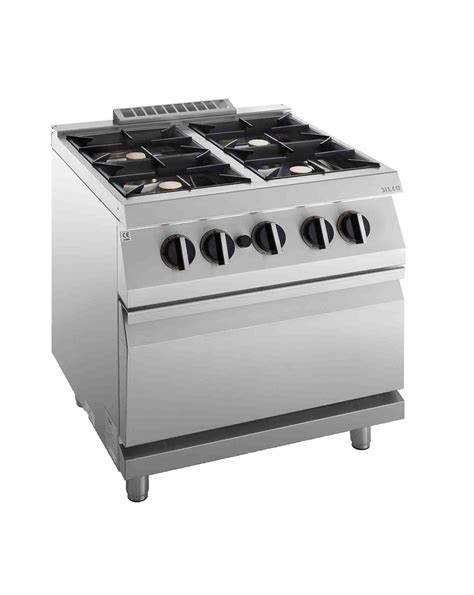
5 Simple Steps: How to Turn On a Gas Oven

5 Simple Steps: How to Turn On a Gas Oven
How To Be Sigma

Most people use gas ovens to cook their food nowadays. But some people may not know how to turn on a gas oven. This article will provide a step-by-step guide on how to turn on a gas oven. Before you start, it is imperative to make sure that the oven is properly installed and connected to a gas source. Additionally, ensure that the oven is clean and free of any debris.

First, you need to locate the gas valve. The gas valve is typically located near the bottom of the oven. Once you have found the gas valve, turn it on by rotating the knob clockwise. You should hear a clicking sound when the valve is turned on. After turning on the gas valve, you need to light the oven. To light the oven, press the ignition button and hold it down for a few seconds. You should see a spark that will ignite the gas. If the oven does not light after a few seconds, release the ignition button and try again.

Once the oven is lit, you can adjust the temperature by turning the temperature knob. The temperature knob is typically located on the front of the oven. Once you have set the desired temperature, the oven will start to heat up. You can now place your food in the oven and start cooking. When you are finished cooking, turn off the oven by turning the gas valve counterclockwise. You should also turn off the ignition button.

Identifying the Gas Oven Type

Gas ovens come in two main types: free-standing and built-in. Free-standing ovens are not attached to cabinetry and can be placed anywhere in the kitchen. Built-in ovens are installed into cabinetry and are typically flush with the surrounding cabinets. Both types of ovens can be powered by natural gas or propane.

Freestanding Gas Ovens

Freestanding gas ovens are typically taller and wider than built-in ovens. They have a control panel on the front of the oven and a door that opens down. Freestanding ovens can be found in a variety of styles and finishes, so you can find one that matches your kitchen’s décor. Some freestanding gas ovens also have additional features, such as a self-cleaning cycle or a convection fan.

Built-in Gas Ovens

Built-in gas ovens are designed to be installed into cabinetry. They are typically shorter and narrower than freestanding ovens and have a control panel on the top of the oven. Built-in ovens are available in a variety of styles and finishes, so you can find one that matches your kitchen’s décor. Some built-in gas ovens also have additional features, such as a self-cleaning cycle or a convection fan.

Type of Gas Oven Pros Cons
Freestanding More flexibility in placement Larger size
Built-in Sleeker look Smaller size

Safety Precautions for Turning on the Oven

Before using a gas oven, it’s essential to prioritize safety to prevent potential hazards. Follow these precautions to ensure a secure operation:

1. Proper Ventilation

Gas ovens release heat and combustion gases during operation. Ensure adequate ventilation by opening windows or using an exhaust fan to avoid gas buildup or air pollution. Avoid operating the oven in unventilated spaces.

2. Gas Line and Burner Inspection

Properly inspect the gas line and appliance burners to identify any potential issues or leaks. Here’s a detailed guide for burner inspection:

  1. Turn Off Gas Supply
  2. Locate the gas shut-off valve and turn it off to prevent gas flow to the oven.

  3. Remove Burners
  4. Depending on the model, lift the burner caps straight up or turn the screws that hold them in place. Avoid using excessive force. Inspect the burners for any blockage, cracks, or damage. Also, check for any food particles or debris that may have accumulated.

  5. Clean Burners
  6. Using a soft brush or cloth, gently remove any debris or food particles from the burner surface and holes. Avoid using harsh detergents or abrasive materials.

  7. Check Burner Igniter
  8. Visually inspect the burner igniter to ensure it’s clean and in good condition. If it appears damaged or doesn’t spark, consult a qualified technician.

  9. Reassemble and Test
  10. After cleaning, reassemble the burners and turn the gas supply back on. Light the burners and check for proper ignition and flame stability. If the flame is unstable or doesn’t ignite, turn off the gas supply and contact a professional for assistance.

3. Clear Cooking Area

Remove any flammable materials or objects from the cooking area around the oven to prevent potential ignition hazards. Keep curtains, towels, and other items away from the appliance’s heat source.

Locating the Gas Control Valve

The gas control valve is a crucial component of a gas oven that regulates the flow of gas to the burners. It’s typically located near the base of the oven on either side or at the back. To locate the gas control valve:

  1. Check the front of the oven: Look for a knob or handle located at the bottom or sides of the oven. Some ovens may have a panel covering the valve, so check for a small opening or release latch.
  2. Examine the rear of the oven: If you can’t find the valve on the front, check the back of the oven. There may be a panel or access door that can be removed to access the valve.
  3. Consult the oven manual: If you’re unable to locate the valve on your own, refer to the oven’s user’s manual. It will provide detailed instructions on locating and operating the gas control valve.
Location Description
Front, usually on the sides or bottom Look for a knob or handle with a gas symbol
Rear, behind an access panel May require a wrench or screwdriver to access
Consult oven manual Provides specific instructions for your oven model

Opening the Gas Supply Valve

To safely turn on your gas oven, it is essential to first open the gas supply valve. Follow these steps carefully:

1. Shut Off the Main Control Valve

Before proceeding, make sure to shut off the main control valve on your gas range. This valve is typically located near the floor and controls the gas supply to all burners and the oven.

2. Locate the Gas Supply Valve

Find the gas supply valve for the oven, which is usually behind or underneath the appliance. It is often connected to the gas line with a flexible hose.

3. Turn On the Gas Supply

Turn the gas supply valve clockwise to open it. You should feel a slight resistance as you turn it. If the valve is difficult to turn, do not force it. Contact a qualified gas technician for assistance.

4. Lighting the Pilot Light (if applicable)

Some gas ovens have a pilot light that must be lit manually. Follow these additional steps:

a. Locate the pilot light assembly on the oven’s burner.
b. Push the pilot light button while holding a flame source (lighter or match) near the pilot light hole.
c. Release the button once the pilot light ignites and remains lit.

Gas Supply Valve Location Typical Characteristics
Behind the oven Flexible hose connection
Underneath the oven Shut-off handle or lever
Near the floor (main control valve) Controls gas supply to all burners/oven

Lighting the Pilot Light (if applicable)

If your gas oven has a pilot light, it will need to be lit before you can use the oven. Here are the steps on how to light the pilot light:

  1. Locate the pilot light assembly. This is usually located at the bottom of the oven cavity.
  2. Turn the gas supply valve to the “on” position.
  3. Press and hold the pilot light button. This will release gas to the pilot light.
  4. Use a lighter or match to light the pilot light. Hold the flame to the pilot light until it stays lit on its own.
  5. Release the pilot light button. The pilot light should now stay lit.

If the pilot light does not light after several attempts, there may be a problem with the gas supply or the pilot light assembly. Call a qualified technician for assistance.

Troubleshooting Tips

If you are having trouble lighting the pilot light, here are a few troubleshooting tips:

Problem Solution
The pilot light will not light. Check the gas supply and make sure it is turned on. Check the pilot light assembly for any blockages or damage.
The pilot light lights but goes out after a few seconds. The thermocouple may be faulty. Call a qualified technician for assistance.
The pilot light lights but the oven does not heat up. The igniter may be faulty. Call a qualified technician for assistance.

Adjusting the Temperature Setting

Once you’ve lit the oven and the flame is burning steadily, you can adjust the temperature setting to the desired level. Most gas ovens have a temperature dial or knob that allows you to select from a range of temperatures. To set the temperature:

1. Locate the temperature dial or knob on the oven control panel.
2. Turn the dial or knob to the desired temperature.
3. The oven will automatically adjust the flame height to maintain the selected temperature.

Here’s a table with common temperature settings for various cooking tasks:

Task Temperature
Baking 250-450°F
Roasting 325-475°F
Broiling 500-600°F
PIZZA 450-500°F

Note: The temperature settings may vary slightly depending on the oven model and the type of food being cooked. It’s always a good idea to refer to the oven’s user manual for specific temperature recommendations for different dishes.

Verifying the Flame Quality

Once you’ve successfully lit your gas oven, it’s crucial to verify the flame quality to ensure proper combustion and safety. Here are the key parameters to observe:

Flame Quality Description
Blue Flame Indicates a clean and complete burn. The flame should appear consistently blue from the burner ports.
Yellow Flame May indicate incomplete combustion. The presence of small areas of yellow flame is acceptable, but excessive yellowness can signify an issue such as improper air-to-fuel ratio or inadequate burner alignment.
Lifting Flame The flame detaches from the burner ports, indicating insufficient gas pressure. This could pose a safety risk and must be addressed by a qualified technician.
Sooting Flame Produces excessive black soot, indicating a rich mixture (too much gas relative to air). This can lead to carbon monoxide production and inefficient heating.
Sparkling Flame May indicate impurities in the gas supply. Small amounts of sparkling are often harmless, but excessive or intense sparking can be a sign of a problem.

If you observe any abnormalities in flame quality, turn off the gas supply and contact a qualified technician for inspection and repair.

Igniting the Burners Electronically (if applicable)

Locate the Ignitor Button

Many modern gas ovens feature electronic ignition systems. If your oven has one, it will typically have an ignitor button or switch near the oven door. Check your user manual for the exact location.

Press and Hold the Ignitor Button

Press and hold the ignitor button while simultaneously turning the burner knob to the “Light” or “Ignite” position. Keep the ignitor button pressed for a few seconds until you hear a clicking sound or see a spark. This indicates that the gas is being ignited.

Adjust the Flame Height

Once the burners are ignited, adjust the flame height using the burner knobs. A blue flame with a slight yellow tip is the optimal setting.

Troubleshooting Electronic Ignition

If the electronic ignition system fails to ignite the burners, here are some troubleshooting tips:

– Check if the oven is plugged in and the gas supply is turned on.
– Clean the igniter button or switch and the burner ports to remove any debris.
– Replace the igniter or ignition module if necessary. Consult your user manual or a qualified appliance repair technician for guidance.

Turn On Your Gas Oven

Turning on a gas oven can be a simple task, but there are a few steps you need to follow to ensure safety and efficiency. Here’s a step-by-step guide:

  1. Check the gas supply.
  2. Open the oven door.
  3. Locate the ignition switch.
  4. Press and hold the ignition switch.
  5. Turn the gas knob to the “on” position.
  6. Release the ignition switch.
  7. The oven should ignite and start heating up.
  8. Close the oven door.
  9. Set the desired temperature.

Troubleshooting Ignition Issues

If your gas oven does not ignite, there are a few things you can check:

1. Check the gas supply.

Make sure that the gas supply is turned on at the source. You can usually find the gas valve near the oven or in the basement.

2. Check the ignition switch.

Make sure that the ignition switch is pressed all the way in. If the switch is not pressed all the way in, the oven will not ignite.

3. Check the gas valve.

Make sure that the gas valve is open. The valve is usually located near the oven. If the valve is not open, the oven will not ignite.

4. Check the igniter.

The igniter is the component that creates the spark that ignites the gas. If the igniter is not working, the oven will not ignite.

5. Check the flame sensor.

The flame sensor is a component that detects the presence of a flame. If the flame sensor is not working, the oven will not ignite.

6. Check for blockages.

Make sure that there are no blockages in the gas line or the oven burner. Blockages can prevent the gas from flowing properly, which can cause the oven to not ignite.

7. Check for leaks.

Check the gas line and the oven burner for any leaks. Leaks can cause the oven to not ignite.

8. Reset the oven.

If you have checked all of the above and the oven still does not ignite, you can try resetting the oven. Resetting the oven will clear any error codes that may be preventing the oven from igniting.

9. Call a qualified technician.

If you have tried all of the above and the oven still does not ignite, you should call a qualified technician. A qualified technician can diagnose and repair the problem.

Possible Causes How to Fix

The gas supply is turned off.

Turn on the gas supply at the source.

The ignition switch is not pressed all the way in.

Press the ignition switch all the way in.

The gas valve is not open.

Open the gas valve.

The igniter is not working.

Replace the igniter.

The flame sensor is not working.

Replace the flame sensor.

There is a blockage in the gas line or the oven burner.

Clear the blockage.

There is a leak in the gas line or the oven burner.

Call a qualified technician to repair the leak.

Shutting Off the Gas Supply and Oven

In the event of a gas leak, an oven malfunction, or servicing, it is crucial to shut off the gas supply and oven. Here’s a detailed guide:

1. Locate the Gas Shutoff Valve

Find the gas shutoff valve near the oven or your home’s gas meter. It is typically a yellow-handled lever or ball valve.

2. Shut Off the Gas Supply

Turn the gas shutoff valve clockwise (to the right) to shut off the gas supply to the oven.

3. Cool the Oven

Allow the oven to cool completely before attempting any further actions.

4. Turn Off the Oven Controls

Once the oven is cool, turn off the power supply to the oven at the circuit breaker or fuse box.

5. Close the Oven Door

Keep the oven door closed to prevent gas leaks.

6. Contact a Qualified Technician

Call a qualified gas appliance technician to repair the oven or address the gas leak.

7. Inspect for Leaks

Use a gas leak detector to inspect the oven and gas lines for any leaks before turning the gas supply back on.

8. Relight the Oven

Follow the manufacturer’s instructions for relighting the oven once the repair is complete.

9. Test the Gas Supply

After relighting the oven, check for proper gas flow and burner ignition.

10. Monitor Oven Performance

Observe the oven’s performance for the first few uses after repairs to ensure it is functioning safely and efficiently. If you notice any unusual odors, noises, or burner behavior, contact the technician immediately.

How To Turn On Gas Oven

Turning on a gas oven is a simple process that can be completed in a few easy steps. First, locate the gas valve on the front of the oven. The valve will typically be located near the bottom of the oven door. Once you have located the gas valve, turn it to the “on” position.

Next, locate the oven control panel. The control panel will typically be located on the front of the oven, above the door. On the control panel, you will find a knob or buttons that you can use to set the oven temperature. Turn the knob or press the buttons to set the desired temperature.

Finally, press the “ignite” button. The ignite button is typically located on the control panel, near the temperature knob. Pressing the ignite button will send a spark to the gas burner, which will ignite the gas and start the oven heating up.

People Also Ask About How To Turn On Gas Oven

How do I know if my gas oven is on?

You can tell if your gas oven is on by looking at the flame in the burner. If the flame is blue, then the oven is on. If the flame is yellow, then the oven is not on properly and you should turn it off and relight it.

Why won’t my gas oven turn on?

There are a few reasons why your gas oven might not turn on. The most common reason is that the gas valve is not turned on. Make sure that the gas valve is turned to the “on” position.

Another reason why your gas oven might not turn on is that the pilot light is not lit. The pilot light is a small flame that keeps the gas burner lit. If the pilot light is not lit, then the gas burner will not ignite and the oven will not heat up.