5 Ways To Tell A Guy You Miss Him

5 Ways To Tell A Guy You Miss Him

In the realm of human connection, expressing longing holds immense significance. When the absence of a loved one casts a shadow upon our hearts, we seek ways to bridge the distance and convey the depth of our affection. For those who find themselves missing a special someone, the act of expressing this yearning can be both exhilarating and daunting. This comprehensive guide will provide invaluable insights into crafting a heartfelt message that effectively conveys your longing, leaving an enduring impression on the recipient.

Subtlety and grace can serve as potent allies in conveying your sentiments. Begin by weaving your words around shared memories or experiences that hold particular significance in your connection. Reminisce about moments of laughter, adventure, or quiet intimacy that evoke a sense of nostalgia and longing. Allow your words to flow naturally, painting a vivid tapestry of emotions that will resonate with the recipient. Avoid employing clichéd expressions or excessive sentimentality, as sincerity and authenticity will undoubtedly shine brighter.

Transitioning from fond reminiscences, express your longing with clarity and vulnerability. Allow the recipient to fully grasp the extent to which their absence has impacted you. Explain how their presence enriches your life, bringing joy, comfort, or inspiration. Share how their laughter brightens your darkest days, their wisdom guides your path, or their mere presence fills you with a sense of peace and contentment. Remember that honesty and authenticity are the cornerstones of any heartfelt message, and your genuine emotions will undoubtedly find resonance.

How to Tell a Guy You Miss Him

Missing someone can be a bittersweet feeling. On the one hand, it’s a reminder of how much you care about them. On the other hand, it can be painful to be apart from them. If you’re missing a guy, there are a few things you can do to let him know.

First, try to be honest with yourself about how you’re feeling. Are you missing him because you’re lonely? Because you’re worried about him? Or because you’re in love with him? Once you know why you’re missing him, you can start to think about how to tell him.

If you’re not sure how he feels about you, it’s best to start with something casual. You could send him a text message saying, “I was just thinking about you and wanted to say hi.” Or you could give him a call and say, “I’m just checking in to see how you’re doing.” This will give him a chance to respond and let you know if he’s interested in talking to you.

If you know he likes you, you can be a little more direct. You could tell him, “I miss you.” Or you could say, “I’ve been thinking about you a lot lately.” This will let him know that you’re interested in him and that you want to see him again.

No matter how you choose to tell him, be prepared for him to not feel the same way. He may not be ready for a relationship, or he may not be interested in you. If that’s the case, it’s important to respect his decision and move on.

People Also Ask about How to Tell a Guy You Miss Him

Should I tell him I miss him if he broke up with me?

It depends on the situation. If you’re still trying to get over the breakup, it’s probably best to give him some space. However, if you’re on good terms and you think he might be interested in getting back together, you could send him a message saying, “I was just thinking about you and wanted to say hi.” This will give him a chance to respond and let you know if he’s interested in talking to you.

How often should I tell him I miss him?

It depends on how long you’ve been dating and how often you see each other. If you’re in a new relationship, you may want to tell him you miss him more often. However, if you’ve been dating for a while and you see each other regularly, you may not need to tell him as often. Ultimately, it’s up to you to decide how often you want to tell him you miss him.

What should I do if he doesn’t say he misses me back?

If he doesn’t say he misses you back, it doesn’t necessarily mean he doesn’t miss you. He may just be shy or uncomfortable expressing his feelings. You could try telling him again, or you could give him some space. If he still doesn’t say he misses you, it’s probably best to move on.

8 Foolproof Ways to Dress Like an Artist

8 Foolproof Ways to Dress Like an Artist

In the realm of fashion, where the boundaries of self-expression blur, the bohemian spirit of the artist takes center stage. Dressing like an artist is not merely about imitating a stereotype; it’s about embracing a mindset that prioritizes comfort, creativity, and a hint of eccentricity. Whether you’re a painter, a musician, or a writer, your wardrobe can become a canvas for your artistic vision. From flowing fabrics and layered textures to bold accessories and repurposed items, the key to mastering this style lies in finding a harmonious balance between functionality and flair.

Transitioning into the world of artistic dressing requires a departure from conventional norms. Bold colors and eclectic patterns become your allies, reflecting the vibrancy and diversity of your imagination. Don’t shy away from mixing and matching unexpected hues; let your wardrobe emulate the harmonious chaos found in a painter’s palette. Layering is your secret weapon, adding depth and texture to your ensembles. A cozy cardigan draped over a vintage tee, or a flowing scarf wrapped around a simple dress, creates a sense of effortless sophistication that is distinctly artistic. Embrace the beauty of imperfections; a slightly mismatched button or a faded hem can add a touch of intrigue and individuality to your look.

Accessorizing is where the true magic of the artist’s wardrobe lies. Scarves become canvases for intricate patterns and vibrant embroidery, while hats transform into a stage for creative expression. Jewelry takes on a symbolic meaning, with each piece carrying a story or holding a special significance. A statement necklace adorned with beads and charms can become a focal point, while a stack of mismatched rings adds a bohemian touch. Don’t be afraid to experiment with repurposed items; a vintage scarf can be transformed into a headband, while an old belt can become a unique necklace. The key is to let your imagination roam free and to embrace the unexpected.

How To Dress Like An Artist

There is no one definitive way to dress like an artist, but there are certain commonalities that can be identified. Artists tend to be creative and expressive, and their clothing often reflects this. They may also be drawn to clothing that is comfortable and allows them to move freely. Some common items of clothing that artists might wear include:

  • Loose, comfortable clothing
  • Natural fibers such as cotton, linen, and wool
  • Clothing with interesting textures or patterns
  • Accessories such as scarves, hats, and jewelry

People Also Ask

Is there a specific color palette that artists typically wear?

There is no specific color palette that artists typically wear, but they may be drawn to certain colors that are associated with creativity, such as blue, green, and yellow.

What types of fabrics do artists prefer?

Artists tend to prefer natural fibers such as cotton, linen, and wool, as these fabrics are comfortable, breathable, and allow for movement.

Are there any specific brands or designers that artists tend to favor?

Some artists may favor certain brands or designers that are known for their unique or artistic style, but there is no one definitive brand or designer that all artists prefer.

10 Steps to Download Faster with Utorrent

5 Ways To Tell A Guy You Miss Him

$title$

In today’s digital age, downloading files from the internet has become an essential activity. Whether you’re downloading software, movies, or music, it’s important to have a reliable and efficient download manager. Utorrent is a popular choice for many users due to its speed and ease of use. However, if you’re not using Utorrent to its full potential, you could be missing out on significant download speed improvements. In this article, we’ll show you our top tips for downloading faster with Utorrent. By following these simple steps, you can ensure that you’re getting the most out of your Utorrent experience and downloading files as quickly as possible.

One of the most important factors that affect download speed is the number of seeders. Seeders are users who have already downloaded the file and are sharing it with others. The more seeders there are, the faster your download will be. If you’re having trouble finding enough seeders, you can try using a public torrent tracker. Public torrent trackers are websites that list torrents and allow users to search for and download files. By using a public torrent tracker, you can increase your chances of finding a torrent with a large number of seeders.

Another important factor that affects download speed is your internet connection. If you have a slow internet connection, your downloads will be slower. To improve your download speed, you can try upgrading to a faster internet plan. You can also try connecting your computer to the internet using a wired Ethernet connection. Wired Ethernet connections are typically faster than wireless Wi-Fi connections.

The Art of Utorrent Optimization

Utorrent is a popular BitTorrent client that allows users to download files from the internet. However, if you’re not using it correctly, you may not be getting the best possible download speeds. Here are a few tips on how to optimize Utorrent for faster downloads:

Optimizing Your Connection

The first step to optimizing Utorrent is to make sure your internet connection is as fast as possible. If you’re using a Wi-Fi connection, try moving closer to your router or using an Ethernet cable instead. You can also check your internet speed by running a speed test. If your speed is slower than you expected, contact your internet service provider to see if they can help you troubleshoot the issue.

Once you have a stable internet connection, you can start optimizing Utorrent. The first thing you should do is open the Utorrent preferences menu and click on the “Connection” tab. Here, you can adjust the following settings:

  • Maximum number of connections: This setting determines the maximum number of connections that Utorrent can make to other peers. The default value is 200, but you can increase this value if you have a fast internet connection.
  • Global maximum number of connections: This setting determines the maximum number of connections that Utorrent can make to all peers, regardless of their location. The default value is 500, but you can increase this value if you have a very fast internet connection.
  • Maximum number of upload slots per torrent: This setting determines the maximum number of upload slots that Utorrent can use for each torrent. The default value is 4, but you can increase this value if you have a fast upload speed.

You can also adjust the following settings in the “BitTorrent” tab:

Setting Description
Active torrents The number of active torrents that Utorrent can download at the same time.
Queued torrents The number of torrents that Utorrent can queue for download.
Disk allocation The amount of disk space that Utorrent can use to store downloaded files.

Maximizing Download Speed through Port Forwarding

Port forwarding is a technique that allows you to redirect incoming traffic from a specific port on your router to a specified device on your network. This can be used to improve the download speed of BitTorrent clients, as it allows them to connect to more peers and receive data from multiple sources simultaneously. To port forward, you will need to access your router’s configuration settings. The steps involved vary depending on the make and model of your router, but generally, you will need to:

1. Find your router’s IP address

The router’s IP address is typically printed on a label attached to the device. It can also be found by logging into the router’s web interface and navigating to the network settings page.

2. Log into your router’s web interface

Open a web browser and type the router’s IP address into the address bar. You will be prompted to enter a username and password. These credentials can be found on the router’s label or in the documentation that came with the device.

3. Navigate to the port forwarding page

The port forwarding page is typically located under the “Advanced” or “Firewall” section of the router’s web interface. Once you have found the page, you will need to create a new port forwarding rule.

4. Create a new port forwarding rule

Enter the following information into the port forwarding rule:

  • Name: Give the rule a name that will help you remember what it is for (e.g., “BitTorrent”).
  • Protocol: Select TCP or UDP from the drop-down menu.
  • External port: Enter the port that you want to redirect to (e.g., 8404).
  • Internal IP address: Enter the IP address of the device that you want to redirect the traffic to (e.g., the IP address of your computer).
  • Internal port: Enter the port that you want to redirect the traffic to on the device (e.g., 8404).

5. Save the changes

Click the “Save” or “Apply” button to save your changes. The port forwarding rule will now be active. You can test the rule by opening a BitTorrent client and attempting to download a file. You should see a significant improvement in the download speed.

Unleashing the Power of DHT and Peering

Understanding DHT (Distributed Hash Table)

DHT, or Distributed Hash Table, is a decentralized network that facilitates peer-to-peer (P2P) file sharing. Unlike traditional centralized servers, DHT allows nodes (computers) to connect directly to each other, creating a self-organizing and highly resilient network. In the context of torrenting, DHT enables users to search for and connect to peers without relying on a central authority.

Benefits of DHT:

  • Enhanced file availability
  • Reduced reliance on trackers
  • Increased anonymity and privacy

Peering: The Art of Connecting with Other Peers

Peering refers to the process of establishing direct connections between peers in a P2P network. When you peer with another peer, you can exchange data and files directly, bypassing intermediaries. This can significantly increase download speeds and overall network efficiency.

Factors Influencing Peering:

Factor Influence
Port Forwarding Allows incoming connections
Firewall Settings Permissions for torrent clients
NAT Type Determines connection limitations
Seeders/Leechers Ratio Availability of peers

Optimizing Peering:

  • Configure port forwarding in your router
  • Adjust firewall settings to allow torrent traffic
  • Try different ports for the torrent client
  • Prioritize torrents with a high seeders-to-leechers ratio

Fine-tuning TCP and UDP Settings

Utorrent offers advanced settings to customize TCP and UDP parameters, enabling you to optimize transfer speeds.

Global Maximum Number of Connections

This setting determines the maximum number of simultaneous connections Utorrent can establish. Increasing this value can improve swarm connectivity, especially for large torrents with many seeders and peers. However, a too high value can also lead to network congestion and reduced performance.

Recommended values range from 200 to 1000 connections. Adjust this setting based on your network bandwidth and the size of the torrents you frequently download.

Maximum Number of Connected Peers Per Torrent

This setting limits the number of peers Utorrent can connect to for each individual torrent. A lower value can help prevent network congestion and stabilize downloads, while a higher value can improve swarm connectivity and download speeds. Most users will find optimal results with a setting between 50 and 200 peers per torrent.

Maximum Number of Half-Open Connections

This setting controls the maximum number of simultaneous half-open connections Utorrent can establish. A half-open connection occurs when Utorrent is waiting for a peer to respond to a connection request. Increasing this value can improve swarm connectivity in scenarios where many peers are behind firewalls or have intermittent connectivity.

Recommended values range from 5 to 20 half-open connections. Adjusting this setting too high can lead to reduced performance and network congestion.

The following table provides a summary of recommended settings for fine-tuning TCP and UDP parameters in Utorrent:

Setting Recommended Value Description
Global Maximum Number of Connections 200-1000 Maximum simultaneous connections
Maximum Number of Connected Peers Per Torrent 50-200 Maximum peers per torrent
Maximum Number of Half-Open Connections 5-20 Maximum simultaneous half-open connections

Managing Bandwidth Allocation for Optimal Performance

Optimizing your bandwidth allocation is crucial for maximizing download speeds in uTorrent. By properly allocating bandwidth, you can ensure that uTorrent receives the necessary resources to achieve optimal performance.

Allocating Download and Upload Speed

In uTorrent’s settings under “Bandwidth”, adjust both the “Maximum Download Rate” and “Maximum Upload Rate” to suit your network capabilities. Consider your internet connection speed, other active downloads or uploads, and any bandwidth-intensive activities.

Connection Type: Suggested Download Rate Limit: Suggested Upload Rate Limit:
DSL: 500 – 1000 KB/s 50 – 100 KB/s
Cable: 1000 – 2000 KB/s 100 – 200 KB/s
Fiber: 2000 – 5000 KB/s 200 – 500 KB/s

Setting Global and Per-Torrent Limits

In “Preferences”, under the “Speed” tab, enable “Apply Rate Limits To UTP Torrents”. This ensures that bandwidth allocation settings apply to all torrents. To adjust limits for specific torrents, right-click the torrent and select “Bandwidth Allocation”.

Managing Concurrent Downloads and Connections

uTorrent’s “General” settings allow you to control the number of active downloads and connections. Limit the number of simultaneous downloads to avoid overwhelming your bandwidth. For connections, increase or decrease the values under “Maximum Number of Connections” and “Global Maximum Number of Connections” to optimize network performance.

Prioritizing Torrents

Assign higher priority to critical downloads to ensure they receive a larger share of bandwidth. Right-click a torrent, select “Label”, and assign a priority level from “Low” to “Very High”.

Using the Scheduler

Consider using uTorrent’s scheduler to limit downloads during peak usage hours. This prevents network congestion and allows uTorrent to utilize available bandwidth more effectively.

Check Your Internet Connection

Confirm that your internet connection is stable and has sufficient bandwidth to support fast downloads. You can use an online speed test like Speedtest.net to determine your current connection speed.

Optimize UTorrent Settings

Configure UTorrent’s settings to maximize download speeds. Under “Preferences,” adjust the following:

– Set the “Max upload rate” to 80% of your upload speed.
– Set the “Max connections per torrent” to 500 or higher.

Disable Antivirus and Firewall Interferences

Some antivirus or firewall software may unintentionally interfere with UTorrent’s activities. Temporarily disable these programs and see if your download speed improves.

Check for Torrent Health

Ensure that the torrent you’re downloading is healthy and has a sufficient number of seeders. A low seed-to-peer ratio can slow down downloads.

Avoid Peak Network Usage Time

During peak network usage hours (usually evenings and weekends), internet traffic can be congested. Try downloading during off-peak times to potentially experience faster speeds.

Enable Port Forwarding

Port forwarding allows UTorrent to establish direct connections with other peers. If your router supports it, forward the port(s) used by UTorrent (default: TCP port 18278).

Use a Different Torrent Client

If the above troubleshooting steps don’t resolve the issue, consider trying a different torrent client such as qBittorrent or Deluge. These clients may offer alternative features or compatibility that could improve your download speeds.

Recommended Max Connections per Torrent Connection Speed
>= 500 >= 100 Mbps
200-500 50-100 Mbps
100-200 <50 Mbps

Maximizing Torrent File Selection

Finding the right torrent file is crucial for fast downloads. Here are some tips to maximize your selection:

1. Search Multiple Torrent Websites

Don’t limit yourself to a single torrent website. Explore various sites to find the most popular and active torrents.

2. Check File Size and Age

Large files with active seeds (users sharing the file) are likely to download faster. Avoid outdated torrents, as they may have fewer peers.

3. Look for High Seed-to-Leech Ratio

A higher seed-to-leecher ratio indicates more users are sharing the file than downloading it, which ensures faster speeds.

4. Filter by Health

Use torrent clients that allow filtering based on torrent health. Healthy torrents have a good number of seeds and low corruption.

5. Check File Authenticity

Avoid torrents with questionable or misleading names. Verify the file’s authenticity by comparing it with other sources.

6. Read Comments

Check the comments section of torrent files to gather insights from other users about the download speed and any potential issues.

7. Try Different Trackers

Some torrents may use multiple trackers. Try different trackers to see which one provides the best download speed.

8. Consider Private Trackers

Private trackers are closed communities that require invitation or membership. They often have stricter rules and faster download speeds due to a smaller number of users and higher quality torrents.

Factor Description
Seed-to-Leech Ratio Number of users sharing the file vs. downloading it
Torrent Health Quality of the torrent, based on the number of seeds and corruption
Trackers Servers that coordinate downloads

Enhancing Privacy and Security while Downloading

1. Use a VPN

A VPN encrypts your internet traffic, making it impossible for your ISP or other third parties to see what you’re downloading.

2. Use a Firewall

A firewall can block unauthorized access to your computer, preventing hackers from exploiting vulnerabilities in uTorrent.

3. Keep uTorrent Updated

uTorrent releases regular updates to patch security vulnerabilities. Make sure to install the latest version.

4. Disable DHT and PEX

DHT and PEX are peer-to-peer technologies that can increase your download speed but can also expose your IP address to other users.

5. Use a Seedbox

A seedbox is a remote server that you can use to download torrents anonymously. This is a great option if you’re concerned about privacy.

6. Use a Proxy Server

A proxy server can mask your IP address, making it difficult for others to track your online activity.

7. Limit the Number of Simultaneous Connections

Reducing the number of simultaneous connections can help prevent your IP address from being leaked.

8. Use Anonymous Seeders

Some torrents have anonymous seeders who do not expose their IP addresses. Look for torrents with these seeders.

9. VPN Providers Comparison

Consider the following factors when choosing a VPN provider:

Factor Description
No-logging policy Ensures your activities are not logged or retained by the VPN provider.
Encryption Determines the strength of encryption used to protect your data, with AES-256 being the most secure.
Server network Refers to the number and location of servers the VPN provider offers, allowing you to connect to servers in different countries and bypass geo-restrictions.
Speed and bandwidth Impacts the speed of your downloads and overall performance, with unlimited bandwidth being ideal.
Compatibility Ensures the VPN provider supports your operating system and devices.
Customer support Provides assistance and troubleshooting if you encounter any issues.

Tips and Tricks for Experienced Utorrent Users

For seasoned Utorrent users, fine-tuning their download experiences can significantly enhance their efficiency. Here’s a comprehensive guide with valuable tips and tricks:

1. Tweak Port Settings

For optimal speeds, ensure that your router has the Utorrent ports (default: 6881-6889) forwarded. If facing connectivity issues, try changing the port numbers.

2. Optimize Network Settings

Configure your network settings for maximum performance. Set the maximum number of connections allowed, adjust upload and download limits, and prioritize Utorrent traffic.

3. Bundle Files

Combine multiple files into a single torrent to minimize overhead and improve download speeds. It’s especially useful for downloading large or frequently accessed files.

4. Seed and Share

Contribute to the torrent community by seeding and sharing finished downloads. Doing so helps maintain file availability and improves speeds for others.

5. Optimize Torrent Settings

Within Utorrent’s settings, fine-tune parameters such as disk cache size, memory usage, and connection limits to enhance performance.

6. Monitor Torrent Health

Keep an eye on torrent health indicators (seeds, peers, and availability) to ensure optimal performance. Healthy torrents have multiple seeds and peers.

7. Use DHT and PeX

Enable DHT (Distributed Hash Table) and PeX (Peer Exchange) in Utorrent’s settings to improve peer discovery and optimize swarm connectivity.

8. Manage Seed Time

Set seed time limits to control how long you want to seed a torrent after completing a download. It helps maintain swarm health and contributes to the community.

9. Use Plugins and Extensions

Enhance Utorrent’s functionality by installing plugins and extensions. These tools provide additional features, such as automatic download management, bandwidth scheduling, and remote control.

10. Update Your Client Regularly

Keep your Utorrent client up to date to benefit from performance improvements, bug fixes, and security updates. Ensure you download updates from the official source.

Setting Recommended Value
Maximum Connections 250-500
Maximum Upload Rate 80% of your available bandwidth
Maximum Download Rate 100% of your available bandwidth
Disk Cache 2-4 times the RAM size

How To Download Fast Using Utorrent

There are a few things you can do to increase the speed of your uTorrent downloads.

  • Choose the right settings. uTorrent has a number of settings that can affect your download speed. Make sure that you have the following settings enabled:
    • Maximum number of connections: This setting determines the number of simultaneous connections that uTorrent can make to other peers. A higher number of connections can lead to faster downloads, but too many connections can also slow down your download speed. A good starting point is to set this value to 100.
    • Global maximum number of connections: This setting determines the total number of simultaneous connections that uTorrent can make. A higher number of connections can lead to faster downloads, but too many connections can also slow down your download speed. A good starting point is to set this value to 200.
    • Maximum number of queued torrents: This setting determines the number of torrents that uTorrent can keep in its queue. A higher number of queued torrents can lead to faster downloads, but too many queued torrents can also slow down your download speed. A good starting point is to set this value to 10.
  • Use a good torrent client. Not all torrent clients are created equal. Some clients are more efficient than others, and some have more features that can help you to download faster. uTorrent is a good choice for a torrent client because it is efficient, has a lot of features, and is free.
  • Find good torrents. Not all torrents are created equal. Some torrents are more popular than others, and some have more seeders than others. A popular torrent with a lot of seeders will download faster than a less popular torrent with fewer seeders. You can use a torrent search engine to find good torrents.
  • Seed the torrents that you download. When you seed a torrent, you are making it available to other peers to download. Seeding helps to keep the torrent alive and it can also help to increase your download speed.

People Also Ask About How To Download Fast Using Utorrent

How can I increase my uTorrent download speed?

There are a few things you can do to increase your uTorrent download speed. Choose the right settings, use a good torrent client, find good torrents, and seed the torrents that you download.

What is the best uTorrent settings for faster downloads?

The best uTorrent settings for faster downloads are:

  • Maximum number of connections: 100
  • Global maximum number of connections: 200
  • Maximum number of queued torrents: 10

How can I find good torrents?

You can use a torrent search engine to find good torrents. Some popular torrent search engines include The Pirate Bay, RARBG, and 1337x.

Why is my uTorrent download speed slow?

There are a few reasons why your uTorrent download speed may be slow. Your internet connection may be slow, your torrent client may not be configured properly, or the torrent may not have many seeders.

5 Easy Steps to Install Printer Ink Cartridges

5 Ways To Tell A Guy You Miss Him

Running out of ink can be an incredibly frustrating experience, especially when you’re in the middle of an important project. However, changing ink cartridges is a relatively simple task that can be completed in just a few minutes. By following these step-by-step instructions, you can quickly and easily replace your empty ink cartridges and get back to printing again.

Before you begin, make sure that you have the correct ink cartridges for your printer. You can find this information in your printer’s user manual or by visiting the manufacturer’s website. Once you have the correct cartridges, gather the following materials: a clean, lint-free cloth, a pair of scissors, and a pair of tweezers (optional).

Now that you have your materials assembled, you can begin the process of replacing your ink cartridges. First, open the printer’s cover and locate the ink cartridge compartment. This is typically located on the front or top of the printer. Once you have located the cartridge compartment, press the release button to open it. This will allow you to access the old ink cartridges.

Insert New Cartridges

Step 1: Prepare the Printer and Cartridges

  • Gather necessary items: New ink cartridges, printer’s user manual (if needed), and a clean, lint-free cloth.
  • Locate the ink cartridge bay: Open the printer and identify the compartment where the ink cartridges are housed. It’s usually located on the top or front of the printer.
  • Remove old cartridges (optional): If there are existing cartridges in the printer, gently press down on their tabs, lift them slightly, and pull them straight out of the bay. Handle the old cartridges with care to avoid ink spills.

Step 2: Unpack and Inspect New Cartridges

  • Carefully remove the new cartridges from their packaging. Handle them by the edges or plastic housing to prevent touching the ink nozzles or sensors.
  • Inspect the cartridges: Ensure that they match the printer model and color requirements specified in the user manual. Each cartridge is typically labeled with its color and type.

Step 3: Install Cartridges

Color Installation Position
Black Leftmost or indicated position
Colored (e.g., Cyan) Rightmost or indicated position
  • Insert cartridges into the bay: Align the cartridge with the correct slot and gently push it straight down into the printer. Press firmly until it clicks into place. Do not force the cartridges.
  • Repeat for other cartridges: Install all necessary cartridges in the same manner, following the color-coded placement.
  • Close the ink cartridge bay: Ensure the cover is securely closed before proceeding.

Prepare the Printer

Before you can install new ink cartridges, you need to prepare your printer. Here are the steps you need to follow:

1. Turn on the printer.

2. Open the printer’s front cover. The location of the front cover will vary depending on the model of your printer. Consult your printer’s user manual for specific instructions.

3. Locate the ink cartridges. The ink cartridges will be located inside the printer, behind the front cover. They will be held in place by a carriage.

4. Lift the ink cartridges out of the carriage. Be careful not to touch the electrical contacts on the bottom of the cartridges.

5. Remove the protective caps from the new ink cartridges. Be careful not to touch the ink nozzles on the bottom of the cartridges.

Open New Cartridge Packages

To begin the process of installing new ink cartridges, you must first open the packages containing the replacement cartridges. Here’s a detailed guide to help you safely open the cartridge packages:

1. Handle with Care

Before opening the packages, ensure that your hands are clean and dry to prevent damaging the sensitive electronic components within the cartridges.

2. Locate the Package Opening

Examine the cartridge package and locate the designated opening area, which will vary depending on the manufacturer and cartridge type.

3. Carefully Tear Open the Packaging

Use your fingers to gently tear open the package along the designated opening lines. Avoid using sharp objects or excessive force, as this could accidentally damage the cartridge.

4. Extract the Cartridge

Once the package is open, carefully remove the ink cartridge from its protective packaging. Handle the cartridge by its sides or the top to prevent touching the ink nozzles or electrical contacts.

5. Remove the Protective Tape and Plastic Cap

Most ink cartridges come with a protective tape or plastic cap covering the ink nozzles and electrical contacts. Carefully remove this tape and cap to expose the cartridge’s ink delivery system. Refer to the cartridge’s documentation or consult the manufacturer’s website for specific instructions on how to properly remove the protective tape or cap for your particular cartridge.

Caution: Do not touch the ink nozzles or electrical contacts, as this can interfere with the cartridge’s proper function.

Align the Cartridges

1. Open the printer’s utility software. This software is usually located in the Applications folder on a Mac or in the Control Panel on a PC.

2. Find the “Align Cartridges” or “Print Head Alignment” option in the software. This option may be located in the “Maintenance” or “Settings” menu.

3. Follow the on-screen instructions to print a test page. The test page will contain several lines of text and images.

4. Examine the test page carefully. The lines of text should be sharp and clear, and the images should be free of streaks or distortions.

5. If the lines of text are not sharp or the images are distorted, adjust the alignment of the cartridges using the software. The software will provide instructions on how to do this.

6. Repeat steps 3-5 until the lines of text are sharp and the images are free of streaks or distortions. It may take several iterations to achieve the optimal alignment.

Troubleshooting Tips
If you are unable to align the cartridges using the software, you may need to clean the print heads manually.
To clean the print heads, use a cotton swab dampened with rubbing alcohol to gently wipe the nozzles on the print head.

7. Once the cartridges are aligned, click the “Print” or “OK” button to save the changes.

Insert the Cartridges

Once you have accessed the printer’s cartridge bay, it’s time to insert the new cartridges. Here’s a detailed step-by-step guide:

  1. Unpack the Cartridges: Carefully unpack the new ink cartridges from their packaging and remove any protective covers or tape.

  2. Identify the Correct Slots: The printer should have slots or markings that indicate where each color cartridge belongs. Refer to the printer’s manual or look for color-coded guides on the cartridge bay.

  3. Align the Cartridges: Align the cartridge with the correct slot by matching its shape and color to the markings or guides.

  4. Insert the Cartridges: Gently push the cartridge into the slot until it clicks or snaps into place. Do not force it. You may need to apply some pressure, but avoid excessive force.

  5. Repeat for Other Cartridges: Follow the same steps to insert all the remaining cartridges into their respective slots.

  6. Close the Cartridge Bay: Once all the cartridges are inserted, close the cartridge bay and secure the latch or cover.

  7. Power On the Printer: Turn on the printer and wait for it to initialize. The printer may go through a cartridge recognition process and perform an alignment routine.

Run Self-Test

Even if you can see ink streaks on your printed pages, it’s a good idea to run a self-test to determine whether the cartridges are truly empty or if other factors are affecting print quality. This process can also help identify any physical problems with your printer, such as a clogged nozzle or damaged print head.

Here’s how to run a self-test on a typical inkjet printer:

  1. Turn on the printer and make sure it’s connected to your computer.
  2. Open the printer’s software on your computer.
  3. Click on the “Maintenance” or “Settings” tab.
  4. Look for the “Self-Test” or “Print Nozzle Check” option.
  5. Click on the button to start the test.
  6. The printer will print a test page with a series of color blocks or lines.
  7. Examine the test page to see if there are any missing or faded colors.
  8. If any colors are missing or faded, it’s likely that the corresponding ink cartridge is empty and needs to be replaced.
Troubleshooting Self-Test Results
Missing or faded colors: Indicates that the corresponding ink cartridge is empty or defective.
Streaks or lines in the printed image: Indicates that the print head may be clogged or damaged. Try cleaning the print head using the printer’s maintenance software or with a cleaning solution.
Blank page: Indicates a problem with the printer’s hardware or software. Try restarting the printer or reinstalling the printer software.

Clean Print Heads

If you’re having trouble with your printer’s print quality, cleaning the print heads may help. Here’s how to do it:

1. Turn on your printer and open the ink cartridge access door.

2. Remove the ink cartridges from the printer.

3. Locate the print head cleaning area on your printer.

4. Dampen a clean, lint-free cloth with distilled water or rubbing alcohol.

5. Gently wipe the print heads with the damp cloth.

6. Allow the print heads to dry completely before inserting them back into the printer.

7. Close the ink cartridge access door and restart your printer.

8. Print a test page to make sure the print quality has improved.

9. Repeat the cleaning process if necessary.

If you’re still having trouble with your printer’s print quality after cleaning the print heads, you may need to replace the ink cartridges or have your printer serviced by a qualified technician.

Troubleshooting Common Issues

Here are some common issues you might encounter while installing ink cartridges and how to resolve them:

1. Incorrect Cartridge

Ensure you’re using the correct cartridge for your printer model. Check the printer’s user manual for compatible cartridge types.

2. Not Fully Inserted

If the cartridge doesn’t seem to be working, check if it’s securely inserted. Remove the cartridge and reinsert it, pressing down firmly until it clicks into place.

3. Dirty Cartridge Contacts

Clean the electrical contacts on the cartridge and printer using a lint-free cloth or cotton swab dipped in rubbing alcohol.

4. Air Bubbles in Cartridge

If the cartridge appears to be empty, gently tap it on a flat surface or run hot water over the cartridge for a few seconds. This can help remove air bubbles.

5. Chip Problems

If you’re getting cartridge error messages, the chip on the cartridge may be damaged. Contact the cartridge manufacturer for replacement.

6. Printer Not Recognizing Cartridge

Try restarting the printer. If the issue persists, remove and reinstall the cartridge or try using a different cartridge.

7. Ink Smearing or Printing Issues

Check if the print heads are clean. Clean the print heads according to the printer’s user manual.

8. Cartridge Not Detected

Some printers require activating the new cartridge. Follow the printer’s instructions for cartridge activation.

9. Low Ink Light Stays On

The ink level indicator may not be accurate. Try shaking the cartridge gently to redistribute the ink or contact the printer manufacturer for calibration.

10. Leaking Cartridge

If you encounter leaking ink, remove the cartridge and wipe away the leaked ink with a clean cloth. Contact the cartridge manufacturer or printer support for further assistance.

How to Install Ink Cartridges

To install new ink cartridges in your printer, follow these steps:

  1. Open the printer cover.
  2. Remove the old ink cartridges.
  3. Unpack the new ink cartridges.
  4. Insert the new ink cartridges into the printer.
  5. Close the printer cover.

Your printer should now be ready to print with the new ink cartridges.

People Also Ask About How to Install Ink Cartridges

How do I know when it’s time to change my ink cartridges?

Your printer will typically display a message on the control panel when it’s time to change your ink cartridges. You can also check the ink levels in your printer by printing a test page.

What kind of ink cartridges do I need for my printer?

The type of ink cartridges you need for your printer will vary depending on the make and model of your printer. You can find the correct ink cartridges for your printer by checking the manufacturer’s website or the documentation that came with your printer.

How often should I change my ink cartridges?

How often you need to change your ink cartridges will depend on how much you print. If you print a lot, you may need to change your ink cartridges more often. If you don’t print very often, your ink cartridges may last for several months.

5 Easy Ways to Detect Fluoride in Water

5 Easy Ways to Detect Fluoride in Water

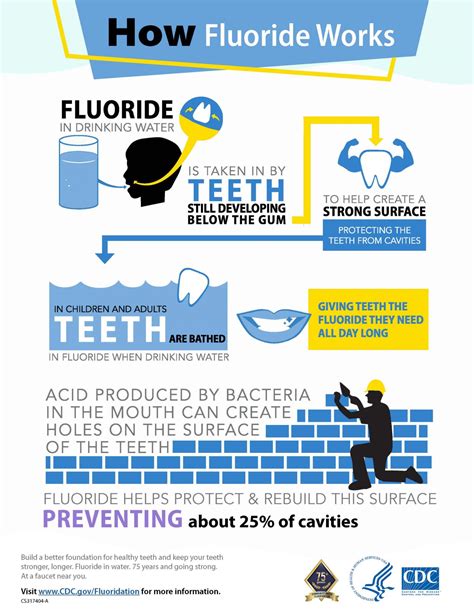
Fluoride, a naturally occurring mineral, has been widely used to strengthen teeth and prevent tooth decay. However, excessive fluoride levels in drinking water can pose potential health concerns.

Fluoride detection in water is crucial for ensuring water safety. Various methods exist to determine fluoride concentrations, ranging from simple test kits to sophisticated laboratory techniques. Understanding the significance of fluoride detection enables us to safeguard public health and maintain optimal fluoride levels in drinking water.

Fluoride’s presence in water can impact human health. While low levels aid in dental health, excessive fluoride intake can lead to adverse effects, such as dental fluorosis, skeletal fluorosis, and other potential health issues. Accurate fluoride detection allows for necessary treatment and mitigation strategies to protect vulnerable populations and maintain the quality of drinking water.

Understanding Fluoride and Its Significance

Fluoride’s Role in Dental Health

Fluoride is a naturally occurring mineral that plays a crucial role in maintaining healthy teeth. It has been demonstrated to strengthen tooth enamel, making it more resistant to decay. Fluoride also inhibits the demineralization process, where tooth enamel loses minerals and becomes weakened. Additionally, fluoride has antimicrobial properties that help reduce the growth of bacteria that cause cavities.

Recommended Fluoride Intake

The recommended daily fluoride intake for optimal dental health varies depending on age and individual needs. The Centers for Disease Control and Prevention (CDC) provides the following guidelines:

Age Recommended Daily Fluoride Intake (mg)
Birth to 6 months 0.25
6 months to 3 years 0.5
4 to 6 years 1.0
7 to 10 years 1.5
11 to 18 years 2.0
19 years and older 1.5

It is important to note that excessive fluoride intake can lead to fluorosis, a condition that causes white streaks or spots on the teeth. Therefore, it is crucial to consult with a healthcare professional to determine the appropriate fluoride intake for your individual needs.

Common Sources of Fluoride in Water

Fluoride, a naturally occurring ion, can be found in various water sources, both naturally and as a result of human activities. Here are some common sources of fluoride in water:

Natural Sources

  • Fluoride occurs naturally in rocks, soil, and groundwater. When water seeps through these geological formations, it can dissolve fluoride, leading to its presence in groundwater.
  • Volcanic eruptions can release fluoride into the atmosphere, which can eventually settle into water sources.
  • Some plants, such as certain ferns and tea leaves, naturally absorb and accumulate fluoride from the soil, which can transfer to water used for watering or extraction.

Human-Induced Sources

  • Water Treatment: Fluoride is often added to public water supplies as a preventive measure against tooth decay. This practice, known as water fluoridation, aims to improve the dental health of the population.
  • Industrial Processes: Certain industrial processes, such as aluminum production, phosphate fertilizer manufacturing, and semiconductor etching, release fluoride as a byproduct. These effluents can contaminate water sources if not properly treated.
  • Household Products: Some household products, such as toothpaste, mouthwash, and certain pesticides, contain fluoride. These products can contribute to the fluoride content of wastewater, which, if not treated effectively, can end up in water bodies.

Physical Signs of Fluoride Contamination in Water

Visual Changes

Excessive fluoride levels can result in noticeable changes in the appearance of water. Water contaminated with fluoride may appear:

  • Cloudy or murky: High fluoride concentrations can cause precipitation of calcium and magnesium salts, resulting in a cloudy or hazy appearance.
  • Turbid: Fluoride can react with other minerals in water, such as calcium and iron, to create suspended particles that scatter light, giving the water a turbid or muddy appearance.

Taste and Odor Alterations

Fluoride can significantly impact the taste and odor of water. At low concentrations, fluoride may be tasteless and odorless, but as levels increase, it can become more noticeable.

  • Bitter taste: High fluoride levels can create a bitter or metallic taste in water.
  • Salty taste: Fluoride can react with sodium ions in water, resulting in a salty taste.
  • Musty odor: Fluoride contamination can sometimes produce a musty or moldy odor in water, similar to the smell of chlorine.

Dental Fluorosis

Prolonged exposure to high fluoride levels in water can lead to a condition known as dental fluorosis. This condition manifests as:

  • White spots or streaks: Fluoride can interfere with the proper formation of tooth enamel, resulting in white spots or streaks appearing on the teeth.
  • Brown or yellow stains: As dental fluorosis progresses, the white spots may become more pronounced, turning brown or yellow in color.
  • Pitting or erosion: In severe cases, dental fluorosis can cause pitting or erosion of the tooth enamel, weakening the teeth and making them more susceptible to decay.
Fluoride Level (mg/L) Typical Signs
<0.5 No signs of contamination
0.5-1.5 Tasteless, odorless, no health effects
1.5-4 White spots on teeth, mild taste alterations
4-6 Moderate dental fluorosis, bitter taste
>6 Severe dental fluorosis, kidney problems, skeletal fluorosis

Chemical Detection Methods for Fluoride

1. Ion Chromatography

Ion chromatography is a powerful analytical technique that can separate and measure the concentration of fluoride ions in water. It involves passing the water sample through a specialized column packed with an ion exchange resin. The fluoride ions bind to the resin, and other ions are washed away. The fluoride ions are then eluted from the column using a gradient of eluents, and the eluent is passed through a conductivity detector. The detector measures the change in conductivity, which is proportional to the concentration of fluoride ions in the water sample.

2. Spectrophotometry

Spectrophotometry is a technique that measures the absorption or emission of light by a sample. Fluoride ions can be detected using spectrophotometry by adding a reagent to the water sample that forms a colored complex with fluoride ions. The absorbance or emission of light by the colored complex is then measured using a spectrophotometer. The concentration of fluoride ions in the water sample can be determined by comparing the absorbance or emission of light to a calibration curve.

3. Fluoride Ion-Selective Electrode

A fluoride ion-selective electrode (FISE) is a type of electrochemical sensor that can measure the concentration of fluoride ions in water. The FISE consists of a glass or ceramic membrane that is selectively permeable to fluoride ions. The membrane is in contact with an internal reference electrode and an external solution. When the FISE is immersed in a water sample, the fluoride ions in the water sample diffuse through the membrane and react with the internal reference electrode. This generates an electrical potential that is proportional to the concentration of fluoride ions in the water sample.

4. Colorimetric Methods

Colorimetric methods are simple and inexpensive methods for detecting fluoride in water. They involve adding a reagent to the water sample that forms a colored complex with fluoride ions. The color of the complex is then compared to a color chart or measured using a colorimeter. The concentration of fluoride ions in the water sample can be determined by comparing the color of the complex to the color chart or by measuring the absorbance of light.

Some of the most commonly used colorimetric methods for detecting fluoride in water include:

Method Reagent Color of Complex
SPADNS method SPADNS (4,5-dihydroxy-3-(p-sulfophenylazo)-2,7-naphthalenedisulfonic acid, trisodium salt) Red
Alizarin Red S method Alizarin Red S Pink
Zirconium-Eriochrome Cyanine R method Zirconium oxychloride and Eriochrome Cyanine R Blue

Spectrophotometric Analysis for Fluoride Detection

Spectrophotometry offers a sensitive method for determining fluoride concentrations in water. This technique relies on the formation of a colored complex between fluoride ions and a specific reagent, such as SPADNS (4,5-dihydroxy-3-(p-sulfophenylazo)-2,7-naphthalenedisulfonic acid trisodium salt).

Procedure:

  1. Prepare a calibration curve: Prepare a series of solutions with known fluoride concentrations and measure their absorbance at a specific wavelength (typically around 570 nm). Plot the absorbance against the corresponding fluoride concentrations to generate a calibration curve.

  2. Sample preparation: Filter the water sample to remove any suspended solids or particles that could interfere with the analysis.

  3. Reaction with SPADNS: Add SPADNS reagent to the sample and mix thoroughly. Allow the reaction to proceed for a specified time, typically 30-60 minutes.

  4. Spectrophotometric measurement: Measure the absorbance of the sample solution at the same wavelength used for the calibration curve.

  5. Fluoride quantification: Using the calibration curve, determine the fluoride concentration in the sample by comparing the absorbance value with the corresponding concentration obtained from the curve.

Step Description
1 Calibration curve preparation
2 Sample filtration
3 SPADNS reaction
4 Spectrophotometric measurement
5 Fluoride quantification using calibration curve

Ion Chromatography for Accurate Fluoride Measurement

Ion chromatography (IC) is a highly accurate technique for measuring fluoride in water. It involves separating and quantifying ions in a solution using an ion-exchange column and a conductivity detector.

Principle of Ion Chromatography

In IC, a sample is injected into an ion-exchange column packed with a stationary phase that selectively binds ions. The mobile phase, which is a liquid containing a buffer solution, flows through the column, carrying the ions with it. The ions exchange with the stationary phase and are separated based on their affinities for the phase.

Fluoride Measurement Using Ion Chromatography

For fluoride measurement, the IC system is equipped with a fluoride-selective electrode as the detector. The electrode responds to the presence of fluoride ions in the mobile phase, generating an electrical signal proportional to the fluoride concentration.

Advantages of Ion Chromatography for Fluoride Measurement

  • High accuracy and precision (<1% relative standard deviation)
  • Wide linear range (micrograms per liter to milligrams per liter)
  • Minimal interference from other ions
  • Automates sample analysis

Sample Preparation for IC

Before IC analysis, water samples may require filtration or dilution to remove particles or adjust the fluoride concentration to the appropriate range.

Calibration and Quality Control

The IC system is calibrated using certified fluoride standards. Quality control measures include running blank samples and spiked samples to ensure accuracy and precision of the measurements.

Table: Key Parameters for Ion Chromatography of Fluoride

Parameter Value
Eluent Sodium bicarbonate (1.7 mM) + sodium carbonate (1.8 mM)
Flow Rate 1 mL/min
Column Anion exchange column (e.g., Dionex IonPac AS11)
Detector Fluoride-selective electrode

Field Test Kits for Rapid Fluoride Screening

Field test kits provide a convenient and rapid method for detecting fluoride in water. These kits are commonly used by water utility professionals, environmental organizations, and researchers to screen water samples for fluoride levels. They are typically portable, easy-to-use, and provide results within a few minutes.

Types of Field Test Kits

Various types of field test kits are available, each utilizing different methodologies to detect fluoride. Some common methods include:

  1. Colorimetric Kits: These kits use a reagent that reacts with fluoride ions in water, producing a color change. The intensity of the color change corresponds to the fluoride concentration.
  2. Ion-Selective Electrodes (ISEs): ISEs are small, portable electrodes that selectively measure the concentration of fluoride ions in water. They provide accurate and reliable results but require specialized equipment and calibration procedures.
  3. Fluoride Ion Meters: These meters combine an ISE with a digital display, making them easy to use and read. They provide real-time fluoride measurements and can be used for both field and laboratory applications.

Advantages of Field Test Kits

  • Portable and Convenient: Field test kits are designed for use in the field, allowing for on-site testing.
  • Rapid Results: They provide quick and immediate results, enabling timely decision-making.
  • Cost-Effective: Field test kits are generally more affordable compared to laboratory analysis methods.
  • Easy to Use: Most field test kits are designed to be user-friendly, requiring minimal technical expertise.

Limitations of Field Test Kits

  • Accuracy: While field test kits can provide reliable results, they may not be as accurate as laboratory analysis methods.
  • Interferences: Some field test kits can be affected by the presence of other ions or compounds in water, leading to inaccurate results.
  • Calibration and Maintenance: Field test kits require regular calibration and maintenance to ensure accurate results.

Best Practices for Using Field Test Kits

To ensure accurate and reliable results, it is crucial to follow the manufacturer’s instructions carefully. Some best practices for using field test kits include:

Step Action
1 Collect a representative water sample.
2 Perform the test according to the manufacturer’s protocol.
3 Record the results immediately after reading.
4 Calibrate the kit regularly and perform maintenance as per the manufacturer’s recommendations.

By following these best practices, field test kits can provide valuable information about fluoride levels in water, supporting informed decision-making related to water treatment and monitoring.

Interpreting Fluoride Test Results

Understanding the results of your fluoride test is crucial for determining whether your water meets recommended safety standards. Here’s how to decipher the findings:

1. Normal Range

For optimal dental health, the ideal fluoride concentration in drinking water is between 0.7 and 1.2 parts per million (ppm). This range promotes cavity prevention without causing dental fluorosis, a condition that can lead to white spots on teeth.

2. Above the Normal Range

Fluoride levels exceeding 1.2 ppm may indicate a potential health risk. Excessive fluoride intake can cause dental fluorosis and, in severe cases, skeletal fluorosis, which affects bones and joints.

3. Below the Normal Range

Fluoride levels below 0.7 ppm suggest a lack of adequate fluoride for dental protection. This may increase the risk of tooth decay and cavities.

4. Significant Variations

Significant variations in fluoride concentration over time can indicate an inconsistent water source or malfunctioning treatment systems. This requires further investigation to determine the cause.

5. Comparison to Established Standards

Compare your test results to established standards, such as the World Health Organization (WHO) guidelines or the United States Environmental Protection Agency (EPA) maximum contaminant level (MCL) for fluoride. These standards provide reference points for determining if your water is safe.

6. Consult a Professional

If your test results show concerning levels of fluoride, consult with a qualified healthcare professional or water treatment expert. They can provide guidance on health implications and recommend appropriate solutions, such as adjusting water treatment systems or seeking alternative water sources.

7. Consider Other Sources

In addition to drinking water, fluoride can also be ingested through toothpaste, mouthwash, and processed foods. Consider these sources when evaluating your overall fluoride exposure.

8. Detailed Interpretation of Fluoride Test Results

The following table provides a detailed interpretation of fluoride test results based on different concentration ranges:

Fluoride Concentration (ppm) Interpretation
< 0.5 Very low concentration; insufficient for dental protection
0.5 – 0.7 Low concentration; may require supplementation or alternative water sources
0.7 – 1.2 Optimal range for dental health
1.2 – 1.5 Slightly above optimal range; may pose a minor health risk if excessive consumption
1.5 – 2.0 Significant deviation above optimal range; may increase risk of dental fluorosis
> 2.0 Excessive concentration; may pose serious health risks, including skeletal fluorosis

Detection Methods for Fluoride in Water

Determining fluoride levels in water involves various methods, including:

  1. Ion-Selective Electrodes (ISEs): ISEs utilize a fluoride-specific electrode to measure fluoride ion concentration directly in the water sample.
  2. Colorimetric Tests: These tests employ reagents that react with fluoride ions, producing a color change proportional to the fluoride concentration.
  3. Spectrophotometry: This method uses a spectrophotometer to measure the absorbance of light at a specific wavelength, which varies depending on the fluoride concentration.
  4. Ion Chromatography: This technique separates fluoride ions from other ions in the water sample and measures their concentration using an electrochemical detector.
  5. Mass Spectrometry: Advanced and sensitive mass spectrometry techniques can detect and quantify fluoride ions at extremely low concentrations.

Health Implications of Fluoride in Water

Excessive fluoride intake can lead to numerous adverse health effects:

Dental Fluorosis

Fluoride is beneficial for dental health in small doses, strengthening tooth enamel and preventing cavities. However, excessive fluoride exposure during childhood can cause dental fluorosis, characterized by white or brown spots on the teeth.

Skeletal Fluorosis

Long-term exposure to high fluoride levels can result in skeletal fluorosis, leading to bone pain, stiffness, and increased fracture risk. Fluoride accumulates in bones, replacing calcium and weakening their structure.

Neurological Effects

Emerging research suggests that excessive fluoride exposure may impair cognitive function and affect brain development, particularly in children. Fluoride can accumulate in the brain, potentially disrupting neurotransmitter activity and neuronal health.

Other Health Concerns

Additional health concerns associated with fluoride ingestion include:

  • Fluoride can interfere with the absorption of other essential minerals, such as calcium and magnesium.
  • High fluoride levels have been linked to an increased risk of gastrointestinal problems, including nausea, vomiting, and diarrhea.
  • In some cases, fluoride exposure has been associated with reproductive issues.

Silica Removal

Silica, which is naturally present in groundwater, can interfere with fluoride removal by forming scale on the surface of activated alumina. To mitigate this issue, silica should be removed from the water prior to fluoride removal. This can be achieved through various methods, such as coagulation and sedimentation, ion exchange, or reverse osmosis.

Activated Alumina Adsorption

Activated alumina is a highly effective adsorbent for fluoride removal. It has a high surface area and a strong affinity for fluoride ions. Fluoride-contaminated water is passed through a bed of activated alumina, where fluoride ions are adsorbed onto the surface of the alumina particles. The fluoride-laden alumina is then regenerated using a strong base, such as sodium hydroxide or potassium hydroxide, and reused.

Bone Char Adsorption

Bone char is a carbon-based material derived from animal bones. It has a high surface area and a strong affinity for fluoride ions. Bone char is used in a similar manner to activated alumina for fluoride removal. Fluoride-contaminated water is passed through a bed of bone char, where fluoride ions are adsorbed onto the surface of the bone char particles. The fluoride-laden bone char is then regenerated using a strong base and reused.

Nanofiltration

Nanofiltration is a membrane-based technology that can remove fluoride from water. Nanofiltration membranes have pores that are smaller than the hydrated radius of fluoride ions, allowing fluoride ions to be rejected while allowing water molecules to pass through. Nanofiltration is an effective method for fluoride removal, but it can be more expensive than other methods.

Reverse Osmosis

Reverse osmosis is a membrane-based technology that can remove fluoride from water. Reverse osmosis membranes have pores that are smaller than the hydrated radius of fluoride ions, allowing fluoride ions to be rejected while allowing water molecules to pass through. Reverse osmosis is an effective method for fluoride removal, but it can be more expensive than other methods.

Electrodialysis Reversal

Electrodialysis reversal (EDR) is an electrochemical process that can remove fluoride from water. EDR uses a series of ion-exchange membranes to separate fluoride ions from water. Fluoride ions are attracted to the positive electrode, where they are removed from the water. EDR is an effective method for fluoride removal, but it can be more expensive than other methods.

Ion Exchange

Ion exchange is a process that uses ion-exchange resins to remove fluoride from water. Ion-exchange resins are beads made of a polymer material that has a high affinity for fluoride ions. Fluoride-contaminated water is passed through a bed of ion-exchange resin, where fluoride ions are exchanged for other ions, such as chloride or hydroxide ions. The fluoride-laden ion-exchange resin is then regenerated using a strong base and reused.

Chemical Precipitation

Chemical precipitation is a process that uses chemical reactions to remove fluoride from water. Fluoride ions react with calcium or aluminum salts to form insoluble fluoride precipitates. The fluoride precipitates are then removed from the water by sedimentation or filtration. Chemical precipitation is an effective method for fluoride removal, but it can generate large amounts of sludge.

Biological Treatment

Biological treatment is a process that uses microorganisms to remove fluoride from water. Microorganisms can metabolize fluoride ions, converting them into harmless compounds. Biological treatment is a relatively new method for fluoride removal, but it has the potential to be a cost-effective and sustainable option.

Comparison of Mitigation Strategies for Fluoride Removal

The following table compares the different mitigation strategies for fluoride removal in terms of their effectiveness, cost, and operational complexity.

Mitigation Strategy Effectiveness Cost Operational Complexity
Activated Alumina Adsorption High Moderate Moderate
Bone Char Adsorption High Low Moderate
Nanofiltration High High High
Reverse Osmosis High High High
Electrodialysis Reversal High High High
Ion Exchange High Moderate Moderate
Chemical Precipitation High Low Low
Biological Treatment Moderate Low Low

How to Detect Fluoride in Water

Fluoride is an important mineral for dental health, but too much fluoride can be harmful. The optimal level of fluoride in drinking water is 0.7 parts per million (ppm). If the fluoride level in your water is too high, it can cause fluorosis, a condition that causes white spots on the teeth. It can also lead to other health problems, such as bone pain and kidney stones.

There are a few different ways to detect fluoride in water. One way is to use a fluoride test kit. These kits are available at most hardware stores and home improvement centers. The test kit will contain a reagent that will react with fluoride in the water and turn a certain color. The color of the reagent will tell you how much fluoride is in the water.

Another way to detect fluoride in water is to have it tested by a water quality laboratory. Water quality laboratories can test for a wide range of contaminants, including fluoride. The laboratory will send you a report that will tell you the level of fluoride in your water.

If you are concerned about the level of fluoride in your water, you can take steps to reduce it. One way to reduce fluoride is to use a water filter. Water filters can remove fluoride and other contaminants from water. Another way to reduce fluoride is to drink bottled water. Bottled water is typically fluoridated, but the level of fluoride is usually lower than the level found in tap water.

People Also Ask About How To Detect Fluoride In Water

Can I detect fluoride in water with a home test kit?

Yes, there are home test kits available that can detect fluoride in water. These kits are typically based on a colorimetric reaction, where the color of the reagent changes depending on the concentration of fluoride in the water.

How accurate are home fluoride test kits?

Home fluoride test kits are generally accurate, but they may not be as accurate as laboratory tests. However, they can give you a good idea of the fluoride level in your water.

What is the difference between fluoride detection and fluoride measurement?

Fluoride detection is the process of determining whether or not fluoride is present in water. Fluoride measurement is the process of determining the concentration of fluoride in water.

What should I do if I find fluoride in my water?

If you find fluoride in your water, you should consider taking steps to reduce it. You can use a water filter or drink bottled water. You should also talk to your doctor to discuss the health effects of fluoride.

3 Easy Steps to Pierce Ears at Home with a Needle

5 Ways To Tell A Guy You Miss Him

The world of body adornment is vast and ever-evolving, with piercing standing as one of the most transformative and widely practiced forms. Piercings have adorned the bodies of countless individuals throughout history and cultures, symbolizing everything from personal style to cultural heritage. Among the myriad of piercing techniques, needle piercing remains a highly sought-after method renowned for its precision and longevity. Whether adorning your delicate lobes or seeking a bolder statement on your cartilage, this comprehensive guide will empower you with the knowledge and techniques necessary to pierce your ears with a needle, ensuring a safe and satisfactory outcome.

Before embarking on this piercing journey, understanding the essentials is paramount. Piercing, especially with a needle, is not a task to be taken lightly. It requires meticulous attention to hygiene, proper equipment, and a steady hand. As you delve into the nachfolving paragraphs, you will gain insights into the materials required, the step-by-step piercing process, and the crucial aftercare procedures. Rest assured, with careful preparation and adherence to the guidelines, you can confidently pierce your ears with a needle, opening a realm of self-expression and adornment.

Now, let us delve into the specifics of how to pierce ears with a needle. Gather your materials: a sterile piercing needle, a pair of sterile gloves, rubbing alcohol, cotton balls, a marking pen, and a mirror. Cleanse the piercing site and your hands thoroughly with rubbing alcohol. Mark the desired piercing location with the pen, ensuring symmetry if piercing both ears. Don the gloves, hold the needle perpendicular to the earlobe, and swiftly insert it through the marked spot. Remove the needle and insert the earring, gently securing it in place. Repeat for the other ear, if desired. Immediately following the piercing, clean the area again with rubbing alcohol and apply a cold compress to reduce swelling. Remember, proper aftercare, including regular cleaning and avoiding touching the piercing, is vital for a successful piercing experience.

Sterilizing Needle and Earlobe

Before piercing your ears, it’s crucial to sterilize both the needle and the earlobe to prevent infection. To sterilize the needle, use a rubbing alcohol wipe and firmly wipe the entire surface. Let the needle air dry for a few minutes to ensure complete sterilization.

To sterilize the earlobe, clean it with rubbing alcohol or a cotton ball soaked in rubbing alcohol. Allow the earlobe to air dry before piercing to ensure it’s completely sterile.

Materials Required

To pierce your ears with a needle, you will need the following materials:

  • Sharp needle
  • Rubbing alcohol
  • Cotton balls
  • Earring posts with backs

Piercing Technique

Once your needle and earlobe are sterilized, you can proceed with the piercing. Follow these steps:

  1. Mark the desired piercing location on the earlobe with a pen or marker.
  2. Hold the needle perpendicular to the earlobe and push it through in one swift motion.
  3. Insert the earring post into the newly pierced hole and secure it with the back.
  4. Apply gentle pressure to the piercing site with a cotton ball to stop any bleeding.

Aftercare

After piercing your ears, it’s important to care for them properly to promote healing and prevent infection. Follow these aftercare instructions:

  • Clean the piercing site twice a day with rubbing alcohol or a salt water solution.
  • Rotate the earrings gently a few times each day to prevent the piercing from closing.
  • Avoid touching or sleeping on the piercing site.
  • If any redness, swelling, or pain occurs, consult a medical professional immediately.

Piercing the Earlobe

Piercing the earlobe is a relatively simple procedure that can be done at home with a few basic supplies. However, it is important to follow the steps carefully to avoid infection or other complications.

Materials Needed:

Item Quantity
Piercing needle 1
Alcohol wipes 2
Earring posts 2
Earring backs 2
Cotton balls or gauze As needed

Steps:

1. Clean the earlobe with an alcohol wipe.

2. Mark the location of the piercing with a marking pen.

3. Hold the piercing needle perpendicular to the earlobe and push it through in one smooth motion.

4. Remove the needle and insert the earring post into the hole. Secure the earring post with the earring back.

5. Clean the piercing site again with an alcohol wipe and apply a small amount of antibiotic ointment. Cover the piercing with a cotton ball or gauze to keep it clean.

Aftercare Instructions: Cleaning and Medication

Instructions for Proper Aftercare

Follow these steps for the proper care of your newly pierced ears:

  • Clean your piercings twice a day with a mild soap and water solution.
  • Apply an antibiotic ointment to the pierced areas to prevent infection.
  • Avoid touching or playing with your piercings, as this can introduce bacteria.
  • Do not remove the earrings for at least six weeks.
  • Avoid swimming or using a sauna, as these activities can expose your piercings to bacteria.
  • If you experience any pain, redness, or swelling, consult a medical professional immediately.

Medication Recommendations

In some cases, your doctor may prescribe antibiotics or pain relievers to help with the healing process.

Medication Dosage Frequency
Antibiotic cream As directed by your doctor Twice a day
Pain reliever As directed by your doctor As needed

Warning Signs of Infection

If you experience any of the following symptoms, it is important to consult a medical professional immediately, as they may indicate an infection:

  • Persistent pain
  • Severe redness or swelling
  • Pus or drainage from the piercing
  • Fever
  • Chills

Healing Time

Ear piercing healing time varies depending on factors such as individual anatomy, piercing technique, and aftercare practices. Generally, earlobe piercings take around 6-8 weeks to heal, while cartilage piercings can take anywhere from 3-6 months or longer.

Potential Complications

While ear piercing is a relatively safe procedure, it’s important to be aware of potential complications, which can include:

Infection

Infection is a common complication of ear piercing, especially if proper aftercare is not followed. Symptoms of infection include redness, swelling, pain, and discharge.

Allergic Reaction

Some people may be allergic to the metal in ear jewelry, causing redness, itching, and swelling. Nickel is a common allergen, so it’s recommended to choose jewelry made from hypoallergenic materials like titanium or surgical steel.

Trauma

Ear piercings can be accidentally snagged or torn, causing pain and bleeding. Proper jewelry placement and avoiding rough activities can minimize the risk of trauma.

Keloids

Keloids are raised scars that can form on the site of a piercing. They are more common in people with darker skin tones and can be unsightly.

Hypertrophic Scars

Hypertrophic scars are raised scars that do not grow beyond the site of the piercing. They are less common than keloids and may fade over time.

Nerve Damage

In rare cases, nerve damage can occur during ear piercing, resulting in numbness or tingling in the area of the piercing.

Healing Process and Aftercare

To ensure proper healing after ear piercing, it’s crucial to follow these aftercare instructions:

**Step 1: Clean the Piercing Regularly**

Gently clean the piercing twice daily with a sterile saline solution or a piercing aftercare product recommended by your piercer.

**Step 2: Turn the Jewelry**

Gently rotate or wiggle the jewelry a couple of times a day to prevent it from sticking to the wound.

**Step 3: Avoid Touching the Piercing**

Do not touch the piercing with dirty hands or objects, as this can introduce bacteria.

**Step 4: Keep the Piercing Dry**

Avoid getting the piercing wet for the first few days after piercing. When showering, wrap a plastic bag around the piercing.

**Step 5: Choose the Right Jewelry**

Wear hypoallergenic jewelry that is the correct size and allows for movement. Avoid heavy or dangling earrings.

Tips for Minimizing Pain and Discomfort

Piercing ears with a needle can be a painful experience, but there are several tips you can follow to minimize discomfort and ensure a successful piercing.

1. Choose the Right Needle Size

The size of the needle used for piercing will affect the amount of pain experienced. A thicker needle will cause more pain than a thinner one. Ask your piercer to use the smallest needle possible for your desired piercing.

2. Use a Sharp Needle

A dull needle will cause more tearing and pain than a sharp one. Make sure your piercer uses a sharp, sterile needle for your piercing.

3. Numb the Area

There are several topical anesthetics available over-the-counter that can be used to numb the area before piercing. Applying an anesthetic cream or spray can significantly reduce pain.

4. Apply Ice

Applying ice to the piercing area before and after the procedure can help to reduce pain and swelling.

5. Use a Piercing Gun

While piercing needles are generally considered safer than piercing guns, piercing guns can be less painful in some cases. If you are concerned about pain, ask your piercer to use a piercing gun instead of a needle.

6. Relax

Tensing up will only make the piercing more painful. Try to relax and breathe deeply during the procedure.

7. Take Care of Your Piercing

Following the piercing, it is important to keep the piercing clean and dry. This will help to prevent infection and reduce pain.

8. Use Pain Relievers

If you experience pain after the piercing, you can take over-the-counter pain relievers to reduce discomfort.

9. Aftercare Instructions

Your piercer will provide you with specific aftercare instructions following the piercing. It is important to follow these instructions carefully to ensure proper healing and minimize pain.

Aftercare Instructions
  • Clean the piercing twice a day with a mild soap and water solution.
  • Apply a small amount of antibiotic ointment to the piercing after cleaning.
  • Keep the piercing dry and avoid touching or playing with it.
  • Professional Piercing Advice

    Piercing your ears at home with a needle is not recommended as it can lead to infection or other complications. If you want to get your ears pierced, it is best to go to a professional piercer.

    Considerations

    Before getting your ears pierced, there are a few things you should consider:

    • Your age: Most piercers will not pierce the ears of children under the age of 18 without parental consent.
    • Your health: If you have any health conditions, such as diabetes, hemophilia, or a history of keloids, you should talk to your doctor before getting your ears pierced.
    • Your lifestyle: If you are active in sports or other activities that could put your piercings at risk, you may want to consider waiting until you are less active before getting pierced.

    Caring for Your Piercings

    Once your ears are pierced, it is important to take care of them properly to prevent infection. Here are some tips:

    • Clean your piercings twice a day with a saline solution.
    • Turn your earrings gently every day to prevent them from sticking to your skin.
    • Avoid touching your piercings with dirty hands.
    • Do not remove your earrings until they are fully healed, which can take up to 8 weeks.

    Piercing Aftercare Instructions

    Your piercer will provide you with specific aftercare instructions. Be sure to follow these instructions carefully to minimize the risk of infection.

    What to Do if Your Piercing Gets Infected

    If your piercing shows signs of infection, such as redness, swelling, pain, or discharge, you should see a doctor immediately.

    Piercing Jewelry

    The type of jewelry you wear in your piercing can affect the healing process. It is best to wait until your piercing is fully healed before wearing heavy or dangling earrings.

    Piercing Placement

    The placement of your piercing can affect the look and feel of your earrings. It is important to choose a placement that you are comfortable with and that will not interfere with your daily activities.

    Piercing Costs

    The cost of piercing your ears will vary depending on the piercer, the type of piercing, and the location of the piercing.

    Following these tips can help you get beautiful, healthy piercings. If you still have questions, don’t hesitate to talk to your piercer or doctor.

    Gauge of Earring

    The gauge of an earring is a measure of its thickness. The higher the gauge, the thinner the earring. The most common gauge for ear piercings is 20g, which is about the thickness of a paperclip.

    The standard gauge for ear piercings is 20g (0.8mm), but some people may prefer a thicker or thinner gauge.

    Body piercing studios usually use a 16g (1.2mm) or 18g (1.0mm) needle for piercings, as these sizes are less likely to cause damage to the tissue.

    Some piercing shops also offer 20g (0.8mm) to accommodate smaller piercings like the helix piercing.

    | | |
    |—|—|
    | 20g | 0.8mm |
    | 18g | 1.0mm |
    | 16g | 1.2mm |
    | 14g | 1.6mm |
    | 12g | 2.0mm |

    How to Pierce Ears with a Needle

    Piercing ears with a needle is not recommended as it can be dangerous and lead to infection or other complications. It is always best to have your ears pierced by a professional piercer using sterile equipment and techniques.

    What are the risks of piercing ears with a needle?

    There are several risks associated with piercing ears with a needle:

    • Infection: Piercing ears with a needle can introduce bacteria into the wound, which can lead to infection. Symptoms of infection include redness, swelling, pain, and discharge.
    • Scarring: Piercing ears with a needle can damage the skin and tissue, which can lead to scarring.
    • Allergic reaction: Some people may be allergic to the metal in the needle, which can cause an allergic reaction.
    • Bleeding: Piercing ears with a needle can cause bleeding.

    How can I prevent complications from piercing ears with a needle?

    If you choose to pierce your ears with a needle, there are some things you can do to prevent complications:

    • Clean the needle and your ears: Before piercing your ears, clean the needle and your ears with rubbing alcohol.
    • Use a new needle: Never use a needle that has been used before.
    • Pierce your ears in a clean environment: Pierce your ears in a clean environment, such as a bathroom or kitchen.
    • Follow the instructions carefully: Follow the instructions for piercing ears with a needle carefully.
    • Get help from a friend: Ask a friend to help you pierce your ears.

    People Also Ask

    Can I pierce my ears with a sewing needle?

    No

    It is not recommended to use a sewing needle or any other needle not specifically designed for piercing to pierce your ears. Sewing needles are not sterile and can cause infection.

    Is it better to pierce ears with a gun or a needle?

    Gun

    Piercing ears with a gun is generally considered to be safer and less painful than piercing ears with a needle. However, it is important to have your ears pierced by a professional piercer using sterile equipment and techniques.

    How long do ear piercings take to heal?

    6-8 weeks

    Ear piercings typically take 6-8 weeks to heal. During this time, it is important to keep the piercings clean and free of infection.

    5 Easy Steps To End A Stitch On Your Sewing Machine

    5 Ways To Tell A Guy You Miss Him

    Have you ever found yourself struggling to end a stitch on your sewing machine? You’re not alone! Ending a stitch properly is essential for ensuring that your seams are secure and professional-looking. In this article, we’ll provide you with a comprehensive guide on how to end a stitch on a sewing machine, covering everything from choosing the right thread to tying off your knots. Whether you’re a beginner or an experienced sewer, these step-by-step instructions will help you achieve flawless results every time.

    To begin, it’s important to choose the right thread for your project. The type of thread you use will affect the strength and durability of your stitches. For most general sewing purposes, a medium-weight, all-purpose thread is a good choice. Once you have chosen your thread, you can insert it into the sewing machine according to the manufacturer’s instructions. Be sure to wind the thread around the bobbin correctly and adjust the tension to ensure that the stitches are neither too tight nor too loose.

    Once your machine is threaded, you can start sewing. To end a stitch, simply sew a few reverse stitches. This will prevent the seam from unraveling. To do this, press the reverse stitch button on your machine and sew a few stitches in the opposite direction. Once you have sewn the reverse stitches, you can cut the thread and remove the fabric from the machine. Your stitch is now securely ended and your seam is complete!

    Identifying the Stitch Type

    Before you can end a stitch on a sewing machine, you need to identify the type of stitch you are using. There are a wide variety of stitches available, each with its own unique purpose. Some of the most common stitches include:

    Stitch Type Description
    Straight stitch A simple, straight line of stitches used for general sewing
    Zigzag stitch A series of short, zigzag stitches used for finishing edges
    Overlock stitch A type of stitch that wraps around the edge of the fabric to prevent fraying
    Buttonhole stitch A type of stitch used to create buttonholes
    Decorative stitch A type of stitch that is used for decorative purposes

    Once you have identified the type of stitch you are using, you can follow the steps below to end the stitch.

    Gathering Necessary Tools

    The first step in ending a stitch on a sewing machine is to gather the necessary tools. This includes:

    • A pair of scissors;
    • A seam ripper;
    • A needle;
    • Thread.

    Once you have gathered your tools, you can begin the process of ending a stitch.

    Here is a table summarizing the necessary tools:

    Tool Purpose
    Scissors To cut the thread
    Seam ripper To remove the stitches
    Needle To sew the new stitch
    Thread To sew the new stitch

    Securing the Ends

    Once you’ve finished sewing your seam, it’s important to secure the ends of the thread to prevent it from unraveling. Here are three different ways to do this:

    Method 1: Knotting the Thread

    This is the most common method of securing the ends of thread. Simply tie a knot in each end of the thread and trim the excess. To make a knot, cross the two ends of the thread over each other, then loop one end through the other. Pull the ends tight to create a knot, then repeat the process to create a second knot. Trim the excess thread close to the knot.

    Method 2: Backstitching

    Backstitching is a great way to secure the ends of thread and reinforce the seam at the same time. To backstitch, simply sew a few stitches in reverse over the last stitch you made. This will create a small loop of thread that will help to hold the seam together. When you’re finished backstitching, trim the excess thread close to the seam.

    Method 3: Thread Locks

    Thread locks are small, plastic discs that can be used to secure the ends of thread. To use a thread lock, simply insert the end of the thread into the disc and pull it through. The disc will create a small loop that will help to hold the thread in place. Thread locks are available in a variety of sizes and colors, so you can choose one that matches your fabric and thread.

    Method Pros Cons
    Knotting the Thread Quick and easy Not as secure as other methods
    Backstitching Secure and reinforces the seam Can be time-consuming
    Thread Locks Secure and easy to use Can be expensive

    Tailoring the Thread

    The type and thickness of thread you use can significantly impact the quality of your stitch. For delicate fabrics, opt for a fine thread, while thicker materials require a more robust thread. Match the thread color to the fabric for a seamless finish. Here’s a quick guide to thread tailoring based on fabric type:

    Fabric Type Thread Type
    Cotton Cotton thread (all-purpose)
    Silk Silk thread
    Wool Wool thread (worsted or woolen)
    Synthetic Nylon or polyester thread
    Denim Denim or heavy-duty thread

    In addition to matching thread to fabric type, consider the following factors when selecting thread:

    1. Thread length: Aim for a thread length of 10-18 inches (25-45 cm), keeping in mind that the longer the thread, the more tension it will create.
    2. Thread tension: Adjust the machine’s tension settings to suit the thread thickness and fabric type. Too much tension can cause thread breakage, while too little can result in loose stitches.
    3. Thread quality: Use high-quality thread that is free of knots and imperfections. This will ensure a consistent stitch pattern and reduce the risk of thread breakage.

    Invisible Stitch Ending

    To end a stitch with an invisible finish, follow these steps:

    1. Sew a few stitches backward.
    2. With the needle in the fabric, lift the presser foot and turn the fabric around.
    3. Lower the presser foot and sew over the beginning stitches.
    4. Sew a few stitches forward.
    5. Bring the needle up and out of the fabric. Cut the thread, leaving a short tail. The thread tail should be about 1/4 inch long. Pull the thread tail through the loop on the wrong side of the fabric. This will create an invisible knot that secures the stitches.

    Steps Description
    1 Sew a few stitches backward.
    2 With the needle in the fabric, lift the presser foot and turn the fabric around.
    3 Lower the presser foot and sew over the beginning stitches.
    4 Sew a few stitches forward.
    5 Bring the needle up and out of the fabric. Cut the thread, leaving a short tail. The thread tail should be about 1/4 inch long. Pull the thread tail through the loop on the wrong side of the fabric. This will create an invisible knot that secures the stitches.

    Overlock Finish

    An overlock finish is a type of stitch that creates a finished edge on fabric. It is often used on garments, home décor, and other items that are made from woven or knit fabrics. The overlock stitch is created using a special overlock sewing machine that has multiple needles and loopers. The needles create a series of stitches that interlock with each other, creating a strong and durable seam. The loopers then trim the excess fabric, creating a clean and finished edge.

    There are several different types of overlock stitches, each with its own unique look and function. Some of the most common types of overlock stitches include:

    • **2-thread overlock stitch:** This is the simplest type of overlock stitch, and it is created using two threads. The stitch is strong and durable, but it does not have a finished edge.
    • **3-thread overlock stitch:** This type of overlock stitch is created using three threads. The stitch is stronger and more durable than the 2-thread overlock stitch, and it also has a finished edge.
    • **4-thread overlock stitch:** This type of overlock stitch is created using four threads. The stitch is the strongest and most durable of all the overlock stitches, and it also has a finished edge.

    The type of overlock stitch that you choose will depend on the fabric you are using and the desired look of the finished product. For example, a 2-thread overlock stitch is a good choice for lightweight fabrics, while a 4-thread overlock stitch is a good choice for heavy-duty fabrics.

    Overlock stitches can be used to create a variety of different looks, from simple and functional to decorative and stylish. They are a versatile and useful stitch that can be used on a wide range of projects.

    Tips for Overlocking

    Here are a few tips for overlocking:

    1. Use the correct thread tension. The thread tension should be tight enough to create a strong stitch, but not so tight that the fabric puckers.
    2. Use the correct needle size. The needle size should be appropriate for the fabric you are using.
    3. Use a sharp needle. A sharp needle will help to prevent the fabric from fraying.
    4. Overlock on a clean surface. This will help to prevent the fabric from snagging.
    5. Hold the fabric taut as you overlock. This will help to create a straight and even stitch.
    6. Trim the excess fabric after you have finished overlocking. This will help to create a clean and finished edge.

    Knotting Methods

    Knotting methods are a crucial step in preventing the stitches from unraveling when you end your sewing session. Here’s a detailed guide to the most common knotting techniques:

    1. Single Knot

    The simplest knot, it involves threading the needle through the last loop of thread from the bobbin and pulling it tight.

    2. Double Knot

    A more secure version of the single knot, it involves creating two loops instead of one before pulling tight.

    3. Triple Knot

    For added stability, create three loops before pulling tight. This knot is ideal for heavy-duty fabrics.

    4. Chain Knot (a.k.a. Square Knot)

    Provides a secure and decorative finish by creating a small chain of loops before pulling tight.

    5. Slip Knot or Noose Knot

    Useful for beginning a seam or joining two pieces of fabric together. Slip the needle through the loop of thread, then pull the free end through the loop to create a knot.

    6. Surgeon’s Knot

    A highly secure knot ideal for medical or surgical applications. Create two overhand knots, then pass the needle through the first loop of the second knot and pull tight.

    7. Advanced Tie-Off Methods

    For extra durability and a professional-looking finish, consider these advanced tie-off methods:

    Method Description
    Backstitch Sew several stitches in reverse, then forward over the last few stitches to create a reinforced knot.
    Multiple Thread Tie-Off Thread multiple strands of thread through the needle and tie them together to create a bulkier and more secure knot.
    Bar Tack Create a small square or rectangle of stitches on top of the last few stitches, then tie off the threads within the bar tack.

    Multiple-Stitch Reinforcement

    Multiple-stitch reinforcement involves sewing several stitches over the same area to create a strong, secure hold. This technique is commonly used for:

    • Reinforcing seams in garments that experience frequent stress or wear
    • Creating decorative topstitching or embroidery
    • Sewing labels or embellishments onto fabric

    To perform multiple-stitch reinforcement, follow these steps:

    1. Select the appropriate stitch for the fabric and purpose. A zigzag or straight stitch is typically used.
    2. Adjust the stitch length and tension to suit the fabric. A short stitch length and higher tension will create a stronger reinforcement.
    3. Overlock or finish the seam edges to prevent fraying.
    4. Position the fabric under the presser foot with the reinforcement area centered.
    5. Lower the presser foot and begin stitching. Continue stitching until you reach the desired length of reinforcement.
    6. Reverse stitch or tie off the ends of the thread to secure the reinforcement.
    7. If desired, repeat the process multiple times to create additional layers of reinforcement.
    8. For decorative reinforcement, use contrasting thread or experiment with different stitch patterns.
    Reinforcement Type Suitable for
    Bar tack Heavy-duty reinforcement for pockets, belts, and buttonholes
    Box stitch Decorative and strong reinforcement for corners and edges
    Diamond stitch Versatile reinforcement for seams, pockets, and embellishments
    Triangle stitch Reinforcement and decoration for collars, cuffs, and pockets

    Professional Edge Binding

    Professional edge binding is a technique used to create a clean, finished edge on fabric. It is often used on garments, such as shirts, skirts, and dresses, as well as on home decor items, such as curtains and tablecloths. There are a number of different ways to create an edge binding, but the most common method is to use a sewing machine.

    To create an edge binding, you will need the following supplies:

    • Fabric for the binding
    • A sewing machine
    • Thread
    • Iron and ironing board
    • Scissors

    Once you have gathered your supplies, you can follow these steps to create an edge binding:

    1. Cut a strip of fabric for the binding. The strip should be twice the width of the finished binding, plus 1 inch.
    2. Fold the strip of fabric in half lengthwise, wrong sides together. Press the fold.
    3. Open the strip of fabric and fold each raw edge to the center fold. Press.
    4. Fold the strip of fabric in half again, right sides together. Press.
    5. Stitch the raw edges of the binding together, using a 1/4-inch seam allowance.
    6. Trim the excess fabric from the corners of the binding.
    7. Turn the binding right side out and press.
    8. Pin the binding to the edge of the fabric. The raw edge of the binding should be aligned with the raw edge of the fabric.
    9. Stitch the binding to the fabric, using a 1/4-inch seam allowance.
    10. Fold the binding over the raw edge of the fabric and press.
    11. Topstitch the binding to the fabric, close to the edge.

    Here are some tips for creating a professional edge binding:

    • Use a fabric that is the same weight and type as the fabric you are binding.
    • Make sure the binding is the correct width for the finished edge.
    • Press the binding well before and after attaching it to the fabric.
    • Stitch the binding securely, using a small stitch length.
    • Fold the binding over the raw edge of the fabric and press before topstitching.

    By following these tips, you can create a professional-looking edge binding that will add a polished finish to your sewing projects.

    Troubleshooting

    If you encounter difficulties ending a stitch on your sewing machine, consider the following troubleshooting tips:

    1. Incorrect Threading:

    Ensure that the thread is correctly threaded through the machine, following the designated path. Incorrect threading can prevent proper stitch formation and finishing.

    2. Dull Needle:

    A dull or damaged needle can impede the sewing process. Replace the needle with a sharp one to resolve this issue.

    3. Thread Tension:

    Adjust the thread tension settings on your machine to ensure a balanced stitch. Excessive tension can cause the stitch to break prematurely.

    4. Bobbin Winder Issues:

    Check the bobbin winder to ensure it is functioning correctly. Improper winding can result in loose or uneven thread placement, affecting the stitch’s ability to end securely.

    5. Machine Lubrication:

    Lubricate the sewing machine regularly to ensure smooth operation and prevent unnecessary friction that can interfere with stitch formation.

    6. Fabric Type:

    Different fabrics require specific stitch settings. Adjust the machine settings accordingly to accommodate the fabric’s thickness and durability.

    7. Needle Size and Type:

    Select the appropriate needle size and type based on the fabric and thread you are using. A mismatch can result in poor stitch formation and difficulty ending the stitch.

    8. Thread Quality:

    Use high-quality thread that is compatible with your machine and the project. Low-quality thread can weaken the stitch and make it susceptible to breaking.

    9. Presser Foot Pressure:

    Adjust the pressure of the presser foot to ensure it provides adequate support for the fabric while allowing it to move freely during stitching.

    10. Machine Servicing:

    If you continue to experience difficulties, consider having your sewing machine serviced by a professional to identify and resolve any underlying mechanical issues.

    Alternative Techniques

    In addition to the standard method of ending a stitch, consider the following alternative techniques:

    1. Tying Off the Thread:

    After sewing the desired length, pull the thread tails out by about 6-8 inches, tie a knot, and trim the excess thread.

    2. Knotting the Thread:

    Sew a few stitches in reverse, then pull the thread tails up and gently pull them to create a knot.

    3. Tacking the Thread:

    Take a few stitches over the end of the seam and tighten the thread tension. Trim the excess thread.

    How to End a Stitch on a Sewing Machine

    When sewing, it is important to know how to end a stitch properly. This will help to prevent the seam from unraveling and will give your project a more polished look. There are a few different ways to end a stitch, but the most common method is to use the backstitch function on your sewing machine.

    To backstitch, simply press the backstitch button on your sewing machine and sew in reverse for a few stitches. This will create a series of small stitches that will lock the seam in place. Once you have backstitched, you can cut the thread and remove the fabric from the machine.

    Here are some other ways to end a stitch on a sewing machine:

    • Tie a knot: After sewing to the end of the seam, leave a few inches of thread at the end. Tie the two ends of the thread together in a knot and pull it tight.
    • Use a bar tack: A bar tack is a series of stitches that are sewn in a straight line across the seam. This helps to reinforce the seam and prevent it from unraveling.
    • Use a zigzag stitch: A zigzag stitch is a series of stitches that are sewn in a zigzag pattern. This helps to prevent the seam from raveling and gives it a more professional look.

    People Also Ask

    How do I choose the right stitch for ending a seam?

    The best stitch for ending a seam depends on the type of fabric you are using and the desired outcome. For most fabrics, a backstitch or zigzag stitch is a good choice.

    How many stitches should I backstitch?

    The number of stitches you backstitch depends on the thickness of the fabric and the desired strength of the seam. For most fabrics, 2-3 stitches is sufficient.

    How do I tie a knot on a sewing machine?

    To tie a knot on a sewing machine, leave a few inches of thread at the end of the seam. Tie the two ends of the thread together in a knot and pull it tight. Then, sew over the knot with a few stitches to secure it.

    5 Polite Ways to Let Someone Know You’re Not Interested

    5 Polite Ways to Let Someone Know You’re Not Interested

    In the realm of human interactions, we often find ourselves navigating the delicate dance of expressing disinterest while maintaining respect and avoiding awkwardness. Whether in a romantic, professional, or social setting, communicating your lack of interest can be a daunting task. However, with a thoughtful and diplomatic approach, it is possible to convey your message without causing undue discomfort or jeopardizing future relationships.

    When approaching this conversation, it is crucial to prioritize honesty and clarity. Begin by expressing your appreciation for the person’s interest or attention. This acknowledgment demonstrates that you value their presence in your life, even if you do not reciprocate their feelings. Subsequently, state your disinterest in a direct but gentle manner. Avoid using ambiguous language or beating around the bush, as this can lead to confusion and prolong unnecessary expectations.

    Once you have clearly conveyed your lack of interest, it is essential to maintain a positive and respectful tone throughout the conversation. Explain that your decision is based on factors unrelated to the person’s worth or desirability. Reassure them that you value their friendship or professional relationship, if applicable. Emphasizing the positive aspects of your interaction can help soften the blow and prevent any lingering bitterness. Additionally, offer a brief explanation, if you feel comfortable doing so, to provide closure and help the person understand your perspective. By striking a balance between honesty and empathy, you can convey your disinterest while preserving goodwill and fostering mutual respect.

    Avoid Making Excuses

    Honesty is always the best policy, even if it’s not what the other person wants to hear. However, saying something like “I’m not interested” can come across as harsh or dismissive. Instead, try offering a brief explanation or clarification:

    1. Be specific and to the point:

    State your reason clearly and concisely. Avoid vague or ambiguous language.

    2. Use “I” statements:

    Focus on your own feelings and perspectives. This helps avoid sounding accusatory or judgmental.

    3. Offer alternative options:

    If appropriate, suggest other ways to maintain a connection without being romantically involved. This shows that you value the person and want to preserve the relationship in some form.

    4. Be appreciative:

    Express gratitude for the other person’s interest or attention. This helps soften the blow and shows that you’re not trying to be rude.

    5. Example Phrases You Can Use:

    Example Phrase
    “I’m flattered by your interest, but I’m not seeking a romantic relationship at this time.”
    “I appreciate your offer, but I’m already in a committed relationship.”
    “I’m not interested in pursuing a romantic connection, but I’d be happy to connect as friends.”

    Be Patient and Understanding

    It’s crucial to approach the conversation with patience and empathy. Remember that the person you’re rejecting may be feeling vulnerable or disappointed. Allow them to express their thoughts and feelings openly without interrupting or dismissing them. Show them that you value their perspective and respect their decision to pursue you further.

    Try to understand their intentions and appreciate the effort they made in reaching out to you. Even if you’re not interested, be aware that they may have invested time and energy in pursuing you. Express your gratitude for their interest politely and let them know you appreciate their willingness to connect.

    To demonstrate your understanding, you can acknowledge their positive qualities or express your admiration for their courage in approaching you. Phrases like “I appreciate your kind words” or “I admire your confidence in reaching out” can convey your genuine respect while gently rejecting their advances.

    If possible, offer them an alternative way to stay connected. Suggest being friends or exchanging information for potential collaboration or networking opportunities. This helps soften the rejection and leaves the door open for future interactions on a more platonic level.

    Phrases to Express Understanding and Empathy
    “I appreciate your interest, but I’m not feeling a romantic connection.”
    “I understand your intentions, and I admire your courage in reaching out.”
    “I appreciate your kind words, and I’m flattered by your interest.”
    “I’m grateful for the effort you made in pursuing me.”

    How to Tell Someone You’re Not Interested Politely

    It can be difficult to tell someone you’re not interested in them, but it’s important to be honest and respectful. Here are some tips on how to do it politely:

    1. Be direct. Don’t beat around the bush or make excuses. Just tell the person that you’re not interested in dating them.
    2. Be honest. Explain that you’re not interested in dating them because you don’t feel a connection or because you’re not looking for a relationship at the moment.
    3. Be respectful. Even if you’re not interested in dating the person, you should still treat them with respect. Don’t be rude or hurtful.
    4. Be firm. Make it clear that you’re not interested in dating the person and that you don’t want to lead them on.
    5. Be empathetic. Understand that the person may be disappointed or hurt. Be patient and understanding, and let them know that you appreciate their interest.

    People Also Ask

    How do I tell someone I’m not interested without hurting their feelings?

    It’s impossible to avoid hurting someone’s feelings when you tell them you’re not interested, but you can try to minimize the pain by being polite and respectful.

    Here are some tips:

    • Be honest and direct, but avoid being harsh or hurtful.
    • Explain that you’re not interested in dating them because you don’t feel a connection or because you’re not looking for a relationship at the moment.
    • Be respectful and understanding of the person’s feelings.
    • Let them know that you appreciate their interest, but that you’re not interested in pursuing a relationship.

    What should I say if someone asks me out and I’m not interested?

    Here are some things you can say if someone asks you out and you’re not interested:

    • “Thank you for asking, but I’m not interested in dating right now.”
    • “I appreciate the offer, but I’m not looking for a relationship at the moment.”
    • “I’m flattered, but I don’t think we’re a good match.”
    • “I’m sorry, but I’m not interested in dating you.”

    How do I avoid leading someone on if I’m not interested?

    To avoid leading someone on, it’s important to be clear and direct about your intentions from the beginning. If you’re not interested in dating someone, let them know upfront.

    Here are some things you can do to avoid leading someone on:

    • Don’t flirt or give them mixed signals.
    • Don’t spend time alone with them if you’re not interested in dating them.
    • Don’t accept gifts or favors from them if you’re not interested in dating them.
    • Let them know that you’re not interested in dating them as soon as possible.

    How To Pierce Snake Bites

    Embark on a captivating journey into the enigmatic realm of body modification as we delve into the art of piercing snake bites. A tantalizing juxtaposition of danger and allure, snake bites have captivated individuals seeking to adorn their visage with a touch of edgy sophistication. Prepare yourself for a comprehensive guide that will illuminate the intricacies of this alluring piercing, empowering you to make an informed choice.

    Before embarking on this transformative experience, it is imperative to acknowledge the potential risks and responsibilities associated with any form of body piercing. Snake bites, in particular, warrant a heightened level of caution due to their proximity to delicate anatomical structures such as the frenulum and the labial artery. To ensure a safe and satisfactory outcome, it is crucial to consult with a reputable and experienced piercer who adheres to stringent hygiene protocols and utilizes sterile equipment.

    The piercing process itself is a delicate dance between precision and artistry. The piercer will carefully mark the desired locations on your frenulum and the lip tissue adjacent to the frenulum. Once the marks are in place, the needle is deftly guided through the marked areas, creating two symmetrical punctures. The carefully selected jewelry is then gently inserted into the freshly pierced sites, completing the transformation.

    Choosing the Right Piercer and Jewelry

    Finding a Reputable Piercer

    Selecting a reputable piercer is paramount for a safe and satisfactory snake bites piercing experience. Here are some key considerations:

    1. Experience and Licensing: Choose a piercer with extensive experience in snake bites piercing and a valid piercing license from a reputable organization.
    2. Cleanliness and Sterilization: Observe the piercer’s studio and ensure it adheres to strict hygiene practices, including sterilized equipment and a clean workspace.
    3. Portfolio and Referrals: Request to see the piercer’s portfolio of snake bites piercings. Positive reviews and referrals from satisfied clients indicate the piercer’s skill and professionalism.
    4. Consultation and Aftercare Instructions: Engage in a thorough consultation with the piercer to discuss your desired look, potential risks, and proper aftercare instructions.

    Selecting Suitable Jewelry

    Snake bites piercings typically utilize barbells or labrets made from implant-grade materials such as titanium or stainless steel. The ideal size and style depend on the individual’s anatomy and preferences.

    Here is a table outlining the common sizes and lengths of snake bites jewelry:

    | Size | Length |
    |—|—|
    | 14 gauge | 6-8 mm |
    | 16 gauge | 8-10 mm |
    | 18 gauge | 10-12 mm |

    Consider the following factors when choosing jewelry:

    • Gauge: The gauge refers to the thickness of the jewelry. A larger gauge (lower number) indicates a thicker piercing.
    • Length: The length of the jewelry should accommodate the thickness of the lips and account for potential swelling.
    • Ball Size: The size of the balls on the ends of the jewelry can vary. Consider the size of your lips and the overall aesthetic you desire.

    The Piercing Procedure

    Positioning and Marking

    Before piercing, determine the desired placement of the snake bites on your lip. Use a ruler or measuring tape to ensure they will be symmetrical. Once you have marked the spots, apply a numbing cream to reduce discomfort.

    Clamping

    Insert a clamp into the marked spot on the inside of your lip. The clamp should be positioned with the piercing needle in the center. Pull the clamp through your lip until the needle is visible on the outside.

    Needle Insertion

    Using a sterile piercing needle, pierce through the skin and out the other side of your lip. This process will create two small holes where the jewelry will be inserted. The needle should be inserted smoothly and quickly to minimize discomfort.

    Remove the clamp and piercing needle, and insert the jewelry into the holes. Secure the jewelry with the appropriate closure, such as a ball or flat back.

    Aftercare

    After piercing, follow proper aftercare instructions to promote healing and prevent infection. This includes:

    Day Instructions
    1-3 Rinse mouth with salt water 2-3 times per day
    3-7 Continue salt water rinses, brush teeth gently
    7-14 Keep piercing area clean, avoid touching
    14+ Jewelry can be changed if desired

    How to Pierce Snake Bites

    Snake bites are a type of body piercing that involves piercing the frenulum, the tissue that connects the upper lip to the gums. The piercing is usually done with a curved barbell or a labret stud. Snake bites can be pierced either horizontally or vertically, and they can be placed on either side of the midline of the lip. The piercing is relatively painless, and it typically heals within 4-8 weeks.

    If you are considering getting snake bites, it is important to do your research and choose a reputable piercer. Your piercer will be able to help you choose the right size and type of jewelry for your piercing, and they will also be able to provide you with aftercare instructions.

    After you have your snake bites pierced, it is important to keep the piercing clean and free of infection. You should wash your piercing with a mild soap and water solution twice a day, and you should avoid touching or playing with the piercing. You should also avoid eating or drinking hot or spicy foods, as these can irritate the piercing.

    People Also Ask About How to Pierce Snake Bites

    How much does it cost to get snake bites?

    The cost of getting snake bites will vary depending on the piercer, the location of the piercing, and the type of jewelry that you choose. However, you can expect to pay between $50 and $150 for the piercing.

    How long does it take for snake bites to heal?

    Snake bites typically heal within 4-8 weeks. However, it is important to keep the piercing clean and free of infection during the healing process.

    What are the risks of getting snake bites?

    There are some risks associated with getting snake bites, including infection, bleeding, and scarring. However, these risks are relatively rare, and they can be minimized by choosing a reputable piercer and following the aftercare instructions carefully.

    12 Ways To Keep Food Hot Without Electricity

    5 Ways To Tell A Guy You Miss Him
    $title$

    When the power goes out, one of the first things you’ll want to do is keep your food hot. After all, you don’t want all of that delicious food to go to waste! But how do you keep food hot without electricity? There are a few different methods you can use, and the best one for you will depend on the situation.

    One of the simplest ways to keep food hot without electricity is to use a cooler. Fill a cooler with ice and place your hot food inside. The ice will help to keep the food cold, and the cooler will help to insulate the food and keep it warm. This method is best for short-term storage, such as when you’re transporting food from one place to another.

    If you need to keep food hot for a longer period of time, you can use a thermal cooker. Thermal cookers are specially designed to retain heat, and they can keep food hot for up to 12 hours. To use a thermal cooker, simply place your hot food inside the cooker and close the lid. The cooker will trap the heat and keep your food warm.

    Passive Heat Sources

    Passive heat sources are a great way to keep food hot without electricity. They rely on the natural heat of the environment to keep food warm. Here are a few examples of passive heat sources:

    **Haybox**

    A haybox is a simple and effective way to keep food hot. It is made by lining a box with hay or straw and then placing the food in the center. The hay or straw will insulate the food and keep it warm for several hours.

    **Thermal cooker**

    A thermal cooker is a type of insulated pot that can be used to cook food slowly and evenly. It works by trapping the heat from the food and circulating it around the pot. Thermal cookers can keep food hot for up to 12 hours.

    **Sun oven**

    A sun oven is a device that uses the sun’s energy to cook food. It is made by enclosing a cooking pot in a reflective box. The sun’s rays are reflected onto the pot, which heats the food inside. Sun ovens can reach temperatures of up to 300 degrees Fahrenheit and can be used to cook a variety of foods.

    Type of Passive Heat Source Description
    Haybox A haybox is made of a container, a thick layer of insulation material (such as hay, straw, or blankets), and a way to hold the food above the insulation
    Thermal cooker A thermal cooker is made of an inner cooking pot that is fitted inside a larger, insulated container.
    Sun oven A sun oven is made of a black cooking pot, a reflective box, a glass or plastic lid, and a way to angle the oven towards the sun

    Insulated Containers

    Insulated containers are designed to keep food hot or cold for extended periods by minimizing heat transfer. They work by trapping air between the inner and outer walls of the container, which acts as an insulating layer. These containers can be made from various materials, such as stainless steel, plastic, or foam.

    Features to Consider:

    • Insulation Material: Look for containers with thick and efficient insulation materials, such as polyurethane or vacuum insulation panels.
    • Capacity: Choose a container that can hold the desired amount of food.
    • Seal: The container should have a tight-fitting lid to prevent heat loss.
    • Carrying Options: Consider containers with handles or carrying straps for easy transport.
    Insulation Type Pros Cons
    Polyurethane Foam Lightweight and affordable
    Provides excellent insulation
    Can degrade over time
    Vacuum Insulation Panel Ultra-efficient insulation
    Maintains temperature longer
    More expensive than other materials
    Expanded Polystyrene (EPS Foam) Inexpensive and lightweight
    Disposable
    Not as durable or insulating as other materials

    Chemical Hand Warmers

    Chemical hand warmers are a convenient and portable way to keep food hot without electricity. They are typically filled with a mixture of iron, water, and activated carbon. When the hand warmer is activated, the iron oxidizes, releasing heat. This heat can be used to warm food or drinks.

    To use a chemical hand warmer, simply open the package and shake it. The hand warmer will start to heat up within a few minutes. You can then place the hand warmer in a pocket or wrap it around your hands to keep them warm. Chemical hand warmers can also be used to warm food. To do this, simply place the hand warmer in a container with the food and close the lid. The hand warmer will help to keep the food warm for several hours.

    Chemical hand warmers are a safe and effective way to keep food hot without electricity. They are also relatively inexpensive and easy to use. Here is a table that summarizes the benefits of using chemical hand warmers:

    Convenient and portable
    Easy to use
    Relatively inexpensive
    Safe and effective

    Thermal Blankets

    Thermal blankets are a great way to keep food hot for an extended period. They work by reflecting the heat back into the food, preventing it from escaping. Thermal blankets are typically made of aluminum foil, which is a highly reflective material. They are lightweight and easy to use. To use a thermal blanket, simply wrap it around the food you want to keep hot and secure it with tape.

    Types of Thermal Blankets

    There are a few different types of thermal blankets available on the market. The most common type is made of aluminum foil. However, there are also blankets made of other materials, such as mylar and polyethylene.

    Mylar blankets are more durable than aluminum foil blankets, but they are also more expensive. Polyethylene blankets are less expensive than aluminum foil blankets, but they are also less durable.

    Type Advantages Disadvantages
    Aluminum foil Inexpensive, Lightweight, Readily available Not very durable, Can tear easily
    Mylar Durable, Reflective, Waterproof Expensive
    Polyethylene Inexpensive, Lightweight Not very durable, Not as reflective as aluminum foil or mylar

    How to Use Thermal Blankets

    To use a thermal blanket, simply wrap it around the food you want to keep hot and secure it with tape. You can also use thermal blankets to keep other items warm, such as drinks, medical supplies, and even pets.

    Thermal blankets are a versatile and effective way to keep food and other items warm in the absence of electricity. They are lightweight, easy to use, and relatively inexpensive.

    Heat Retention Bags

    Heat retention bags are insulated bags designed to keep food warm for extended periods. These bags typically feature multiple layers of insulation, including reflective materials to minimize heat loss. They come in various sizes and designs, making them suitable for different food containers and quantities.

    How Do Heat Retention Bags Work?

    Heat retention bags work by creating a barrier between the warm food and the surrounding cooler environment. The insulation materials, such as foam, fiber, or reflective lining, help to trap heat within the bag. The reflective materials also prevent heat from escaping through radiation, while the multiple layers of insulation provide resistance to conductive and convective heat transfer.

    Benefits of Using Heat Retention Bags

    • Extend the holding time of warm food without electricity
    • Maintain the quality and flavor of food
    • Reduce food spoilage and waste
    • Convenient and portable for various settings

    Types of Heat Retention Bags

    Heat retention bags come in various types to accommodate different needs and applications:

    Type Features
    Basic Insulated Bags Provide basic insulation with foam or fiber
    Reflective Bags Include reflective materials to minimize heat loss
    Thermoelectric Bags Use thermoelectric cooling and heating to maintain temperature

    Choosing the Right Heat Retention Bag

    When selecting a heat retention bag, consider the following factors:

    • Size: Choose a bag large enough to fit the food containers and quantities you need to keep warm.
    • Insulation: Look for bags with multiple layers of insulation and reflective materials.
    • Features: Some bags offer additional features such as shoulder straps, carrying handles, and pockets for accessories.
    • Usage: Determine the specific settings and environment you will be using the bag in.

    Candle-Powered Chafing Dishes

    Candle-powered chafing dishes are a classic way to keep food warm without electricity. They are simple to use and can be found at most kitchen supply stores.

    How to Use a Candle-Powered Chafing Dish

    1. Place the candles in the holder.
    2. Light the candles.
    3. Place the food in the chafing dish.
    4. Cover the chafing dish with the lid.
    5. The candles will heat the food and keep it warm.

    Benefits of Using a Candle-Powered Chafing Dish

    Candle-powered chafing dishes have several benefits, including:

    * They are easy to use.
    * They are relatively inexpensive.
    * They can be used indoors or outdoors.
    * They are a great way to keep food warm for a long period of time.

    Things to Consider When Using a Candle-Powered Chafing Dish

    There are a few things to consider when using a candle-powered chafing dish, including:

    * The number of candles you use will affect the temperature of the chafing dish.
    * The size of the chafing dish will affect how much food you can keep warm.
    * The type of food you are keeping warm will affect how long it will stay warm.

    Tips for Using a Candle-Powered Chafing Dish

    Here are a few tips for using a candle-powered chafing dish:

    * Use a snuffer to put out the candles when you are finished using the chafing dish.
    * Keep the chafing dish away from flammable objects.
    * Do not leave the chafing dish unattended.

    Candle-Powered Chafing Dish Sizes

    Candle-powered chafing dishes come in a variety of sizes. The most common sizes are:

    Size Number of Candles Capacity
    Small 2 1 quart
    Medium 4 2 quarts
    Large 6 3 quarts

    The size of the chafing dish you need will depend on the amount of food you are keeping warm.

    Wood-Burning Stoves

    Wood-burning stoves provide an efficient and traditional way to generate heat for cooking. When the power is out, they can be a lifesaver for keeping food warm.

    Fuel

    Wood is the primary fuel for wood-burning stoves. It is important to use seasoned wood that has been split into small pieces. Wet or green wood will burn poorly and produce smoke.

    Operation

    To operate a wood-burning stove, follow these steps:

    1. Open the damper to allow air to flow into the stove.
    2. Place kindling wood in the firebox and light it.
    3. Once the kindling is burning, add larger pieces of wood to the fire.
    4. Adjust the damper to control the intensity of the fire.

    Safety Precautions

    When using a wood-burning stove, it is important to take safety precautions:

    Precaution Reason
    Keep the stove away from flammable materials. To prevent fires.
    Never leave a burning stove unattended. To prevent accidents.
    Install a carbon monoxide detector near the stove. To detect dangerous levels of carbon monoxide.

    By following these precautions, you can safely use a wood-burning stove to keep food warm without electricity.

    Propane Heaters (Outdoor Use Only)

    Propane heaters are a great way to keep food hot without electricity, but they should only be used outdoors. They emit carbon monoxide, which can be dangerous if inhaled in enclosed spaces. Propane heaters can be used to heat food directly or to keep it warm in a chafing dish.

    To use a propane heater to keep food hot, follow these steps:

    1. Place the heater in a well-ventilated area.
    2. Light the heater according to the manufacturer’s instructions.
    3. Place the food on a baking sheet or in a chafing dish.
    4. Adjust the heat setting to keep the food at the desired temperature.

    Here are some additional tips for using propane heaters to keep food hot:

    • Never leave a propane heater unattended.
    • Keep children and pets away from the heater.
    • Store propane tanks in a well-ventilated area away from heat sources.
    • If you smell gas, turn off the heater and evacuate the area immediately.

    Types of Propane Heaters

    There are two main types of propane heaters: portable and tabletop. Portable heaters are designed to be moved around easily, while tabletop heaters are designed to be used on a table or countertop.

    Portable heaters are available in a variety of sizes and shapes. Some models have built-in legs, while others require a stand. Tabletop heaters are typically smaller than portable heaters and have a flat base that sits on a table or countertop.

    When choosing a propane heater, it is important to consider the size of the area you need to heat and the type of food you will be keeping hot.

    Propane Heater Safety

    Propane heaters are safe to use when they are used properly. However, it is important to take some safety precautions to avoid accidents.

    Here are some propane heater safety tips:

    • Never use a propane heater indoors.
    • Always place the heater in a well-ventilated area.
    • Keep children and pets away from the heater.
    • Never leave a propane heater unattended.
    • Store propane tanks in a well-ventilated area away from heat sources.
    • If you smell gas, turn off the heater and evacuate the area immediately.

    By following these safety tips, you can avoid accidents and enjoy the benefits of using a propane heater to keep food hot without electricity.

    Portable Gas Grills

    Portable gas grills are a convenient way to cook food outdoors without the need for electricity. They are relatively easy to use and can be used to cook a variety of foods, from burgers and hot dogs to steaks and seafood. However, there are a few things to keep in mind when using a portable gas grill.

  • Safety First
  • As with any type of grill, it is important to take safety precautions when using a portable gas grill. Make sure that the grill is placed on a stable, level surface away from any flammable objects. Never leave the grill unattended while it is in use, and keep children and pets away from the grill at all times.

  • Choosing the Right Grill
  • There are a variety of portable gas grills available on the market, so it is important to choose one that is right for your needs. Consider the size of the grill, the number of burners, and the features that are important to you. Some grills also come with additional features, such as side burners or built-in thermometers.

  • Setting Up the Grill
  • Before you can start cooking, you need to set up the grill. This typically involves attaching the legs to the grill body, connecting the gas tank to the grill, and lighting the burners. Be sure to follow the manufacturer’s instructions carefully when setting up the grill.

  • Cooking on the Grill
  • Once the grill is set up, you can start cooking. Preheat the grill to the desired temperature, then place the food on the grill grate. Cook the food until it is cooked through, then remove it from the grill and let it rest for a few minutes before serving.

  • Cleaning the Grill
  • After you have finished cooking, it is important to clean the grill. This will help to prevent the build-up of grease and food particles, and it will also help to keep the grill in good working condition. To clean the grill, turn off the gas and allow the grill to cool completely. Then, use a grill brush to scrub the grill grate and remove any food particles. You can also use a mild detergent and water to clean the exterior of the grill.

  • Storing the Grill
  • When you are not using the grill, it is important to store it in a dry place. This will help to prevent the grill from rusting or corroding. You can also cover the grill with a grill cover to protect it from the elements.

  • Troubleshooting
  • If you are having trouble with your portable gas grill, there are a few things you can check. First, make sure that the gas tank is full. If the tank is empty, the grill will not be able to ignite. Second, check the gas lines to make sure that they are not kinked or blocked. If the gas lines are blocked, the grill will not be able to get the gas it needs to operate. Finally, check the igniter to make sure that it is working properly. If the igniter is not working, the grill will not be able to light.

  • Additional Tips
  • Here are a few additional tips for using a portable gas grill:

    • Use a meat thermometer to ensure that your food is cooked to the proper temperature.
    • Do not overload the grill. This will make it difficult for the grill to cook the food evenly.
    • Keep the grill clean to prevent the build-up of grease and food particles.
    • Store the grill in a dry place when not in use.
    • Follow the manufacturer’s instructions for using and maintaining your grill.

    Gas Grill Comparison Table

    Feature Portable Gas Grill
    Size Varies depending on model
    Number of Burners 1-4
    Fuel Type Propane or natural gas
    Igniter Electronic or manual
    Features May include side burners, built-in thermometers, and other features
    Price Varies depending on model

    Solar Ovens

    Solar ovens are portable cooking devices that harness the sun’s energy to heat and cook food. They are ideal for situations where electricity is unavailable, such as camping, emergencies, or in developing countries. Here’s how to build and use a simple solar oven:

    Materials

    • Cardboard box
    • Aluminum foil
    • Black construction paper
    • Clear plastic wrap
    • Insulating material (foam, blankets, or newspaper)

    Construction

    1. Line the bottom of the cardboard box with aluminum foil.
    2. Cover the inside walls of the box with black construction paper.
    3. Place a clear plastic wrap over the opening of the box.
    4. Insulate the outside of the box with your chosen material.

    Usage

    1. Place food in an oven-safe container.
    2. Position the container in the center of the solar oven.
    3. Orient the oven towards the sun and prop it up at an angle for maximum exposure.

    Tips for Optimal Cooking

    1. Use a black container to absorb more heat.
    2. Cover the container tightly to prevent heat loss.
    3. Monitor food temperature regularly to avoid overcooking.
    4. Consider placing a small pot of water inside the oven to create a more humid environment and reduce drying.

    How To Keep Food Hot Without Electricity

    When the power goes out, keeping food hot can be a challenge. But there are a few simple ways to keep your food warm without using electricity.

    One way to keep food hot is to use a thermal bag. Thermal bags are insulated bags that can keep food hot or cold for hours. To use a thermal bag, simply place your hot food in the bag and close it tightly. The insulation in the bag will help to keep your food hot for several hours.

    Another way to keep food hot is to use a保温瓶. 保温瓶 are insulated containers that can keep food hot or cold for hours. To use a保温瓶, simply place your hot food in the jar and close the lid tightly. The insulation in the jar will help to keep your food hot for several hours.

    If you don’t have a thermal bag or a保温瓶, you can still keep your food hot using a few simple tricks. One trick is to wrap your food in a blanket or towel. This will help to insulate your food and keep it warm for a longer period of time.

    Another trick is to place your food in a warm oven. If your oven is not too hot, it can help to keep your food warm for a few hours.

    People Also Ask

    How long will food stay hot in a thermal bag?

    Food will stay hot in a thermal bag for several hours. The length of time will depend on the size of the bag, the amount of food in the bag, and the temperature of the food when it was placed in the bag.

    How long will food stay hot in a保温瓶?

    Food will stay hot in a保温瓶 for several hours. The length of time will depend on the size of the jar, the amount of food in the jar, and the temperature of the food when it was placed in the jar.

    How can I keep food hot without electricity?

    There are a few ways to keep food hot without electricity. One way is to use a thermal bag. Another way is to use a保温瓶. If you don’t have either of those, you can wrap your food in a blanket or towel or place it in a warm oven.